huelga
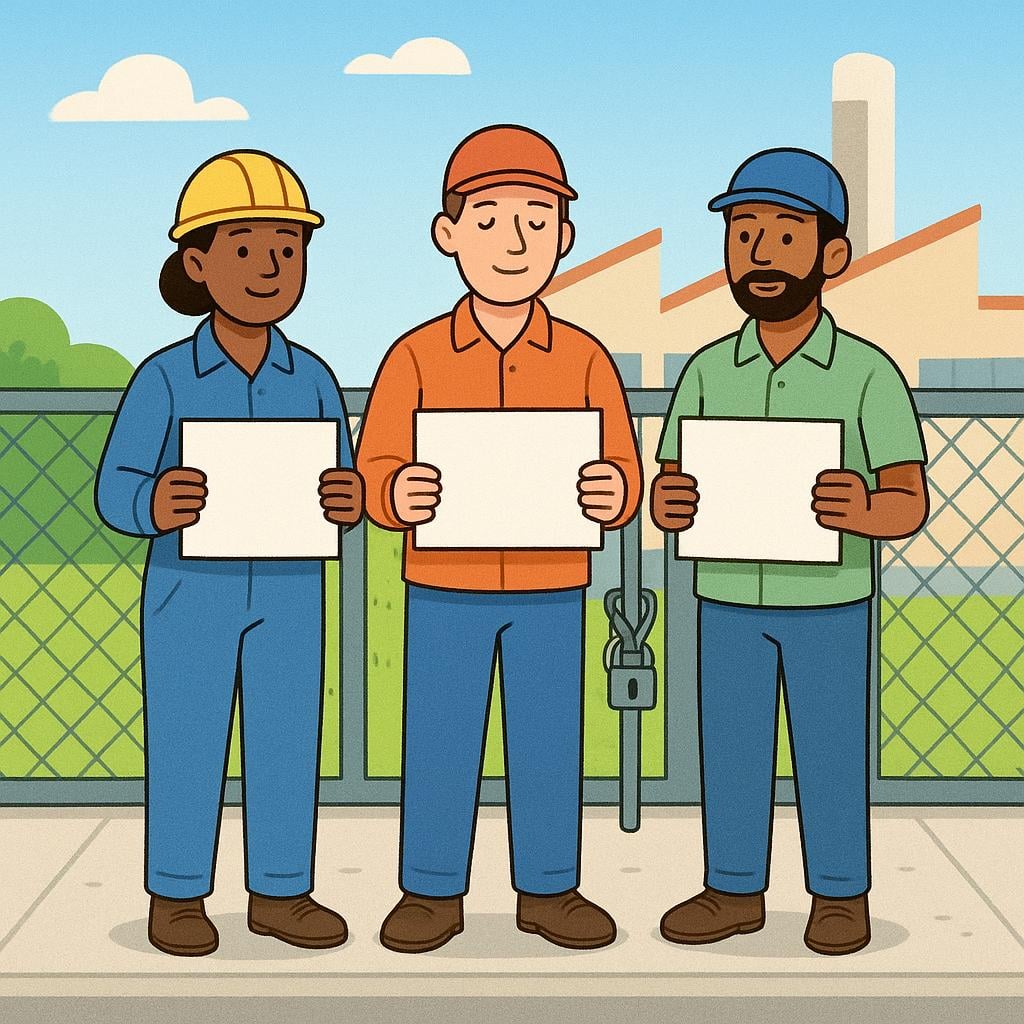
“huelga” means “strike” in Spanish. It has 2 different meanings depending on context:
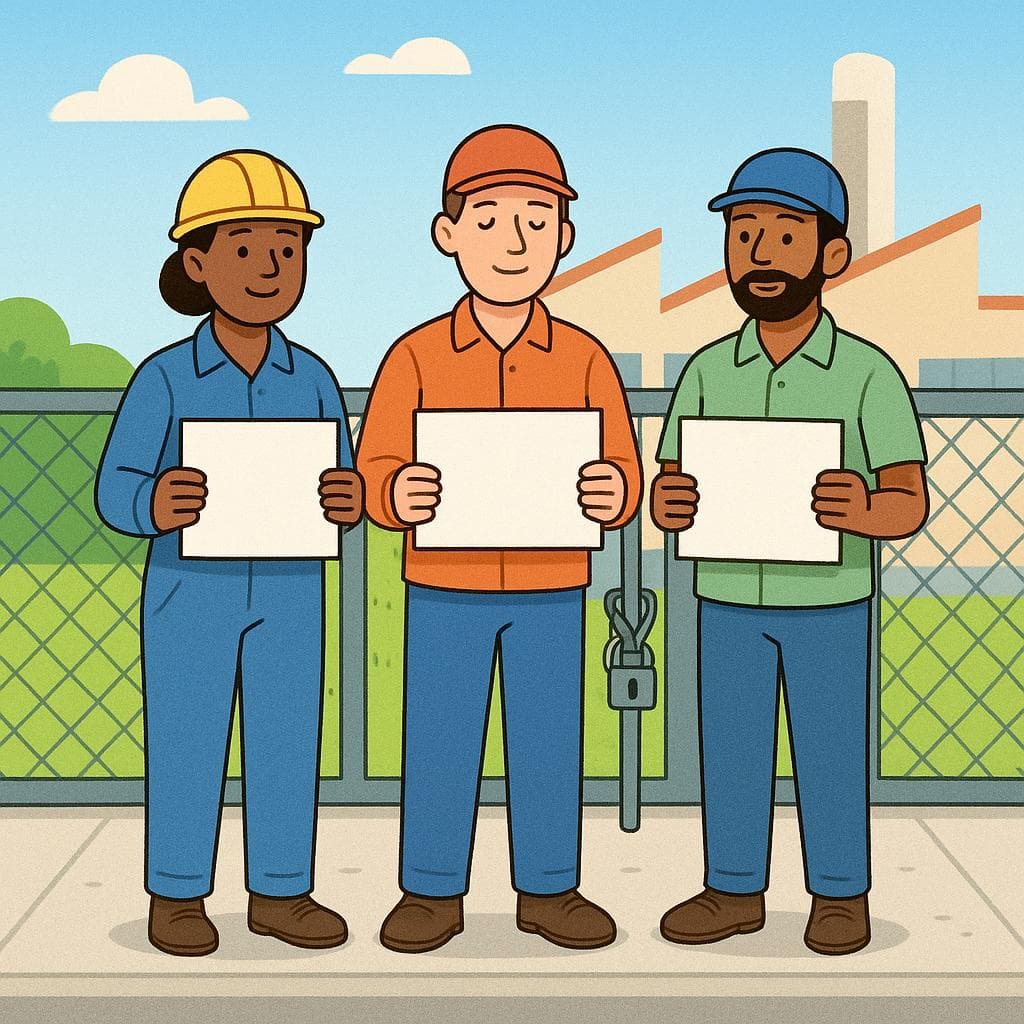
strikeAlso: walkout
📝 In Action
Los trabajadores anunciaron una huelga indefinida.
B1The workers announced an indefinite strike.
La huelga de transporte afectó a toda la ciudad.
B2The transport strike affected the entire city.
Hacer huelga es un derecho fundamental en muchos países.
B1To strike (literally: to do a strike) is a fundamental right in many countries.
Word Connections
it is unnecessaryAlso: it is needless
📝 In Action
No huelga decir que el informe fue excelente.
C1It is not unnecessary to say (or: It should be noted) that the report was excellent.
Su presencia aquí huelga, ya terminamos la reunión.
C2Your presence here is unnecessary; we already finished the meeting.
Word Connections
✏️ Quick Practice
Quick Quiz: huelga
Question 1 of 2
If you want to say 'The teachers are going on strike,' which Spanish phrase is best?
📚 More Resources
👥 Word Family
🎵 Rhymes
📚 Etymology
The noun 'huelga' comes directly from the verb 'holgar' (to rest, to be idle). The idea is that a strike is a period of enforced rest or idleness from work.
First recorded: 15th century
💡 Master Spanish
Take your Spanish to the next level. Read 200+ illustrated and narrated Spanish stories tailored to your level with the Inklingo app!
Frequently Asked Questions
¿Es 'huelga' siempre un sustantivo femenino?
Sí, 'huelga' es siempre un sustantivo femenino, por lo que siempre debe usar artículos y adjetivos femeninos, como 'la huelga' o 'una huelga justa'.
Is 'huelga' related to 'vago' (lazy)?
The concepts are related! 'Huelga' comes from the verb 'holgar' (to rest or be idle). While a strike is a planned work stoppage, the root idea is a break from labor, similar to idleness, though 'huelga' carries a powerful political and social meaning.