humor
“humor” means “humor” in Spanish. It has 2 different meanings depending on context:

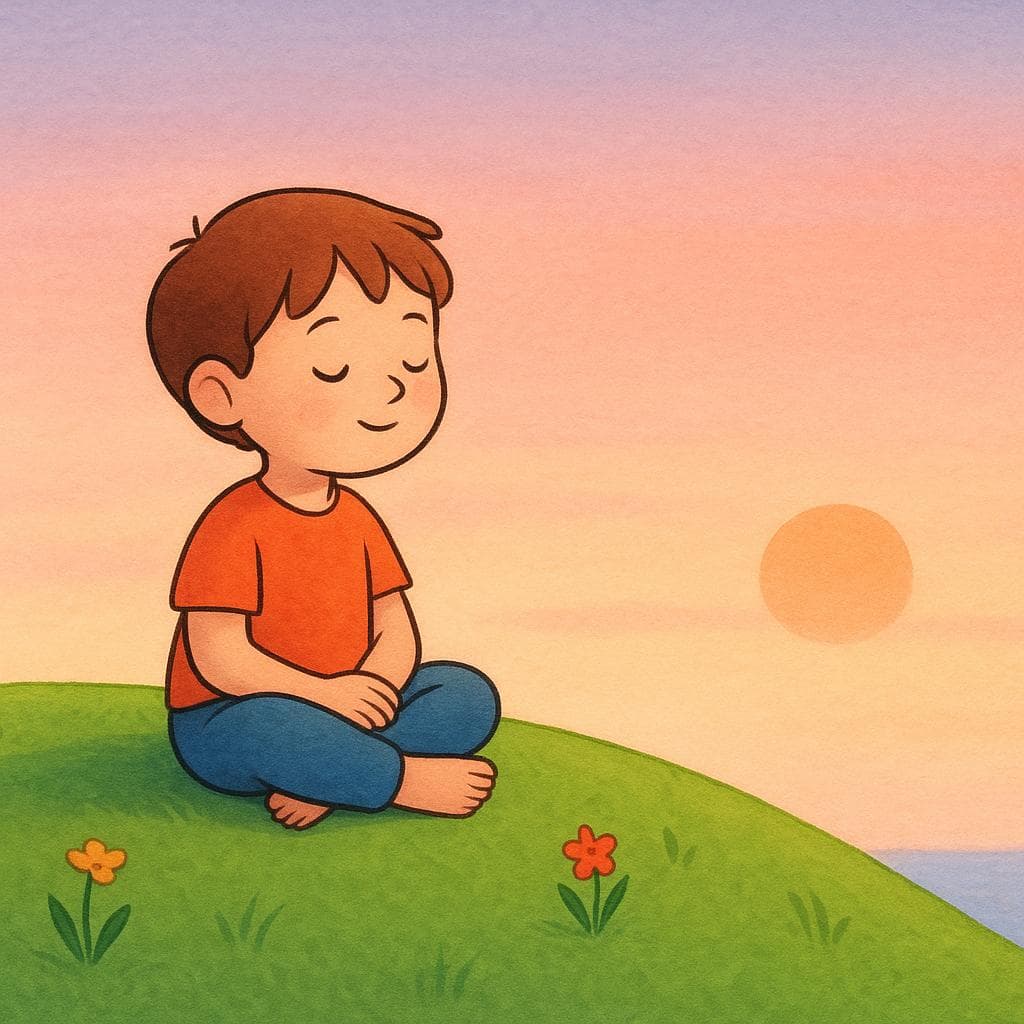
humor, comedy
Also: funniness
📝 In Action
Necesitas tener sentido del humor para entender ese chiste.
A2You need to have a sense of humor to understand that joke.
Me encanta el humor negro de esa serie de televisión.
B1I love the dark humor in that TV series.
mood
Also: temperament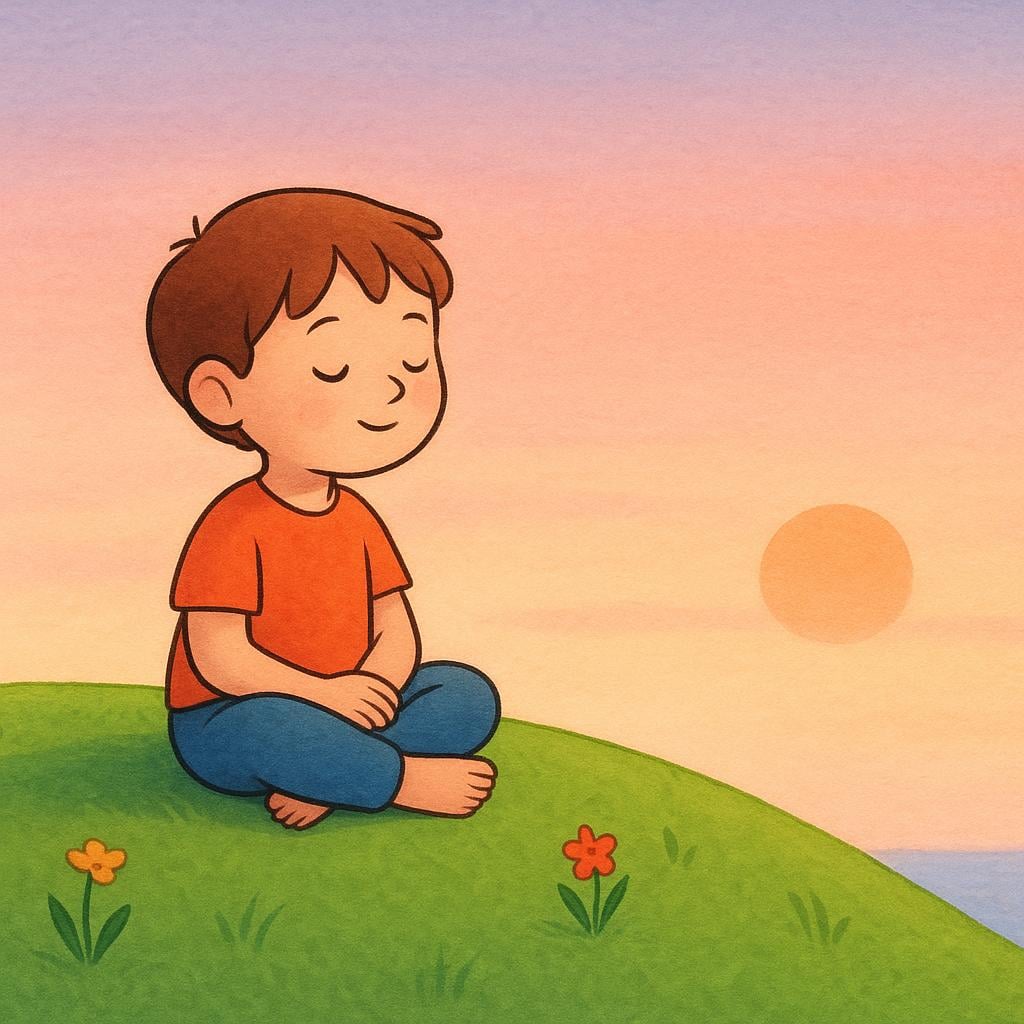
📝 In Action
Hoy estoy de muy mal humor porque perdí mi cartera.
A2Today I am in a very bad mood because I lost my wallet.
Después de la siesta, se puso de buen humor.
B1After the nap, he got into a good mood.
🔀 Commonly Confused With
Translate to Spanish
✏️ Quick Practice
Quick Quiz: humor
Question 1 of 2
Which sentence correctly uses 'humor' to talk about someone's emotional state?
📚 More Resources
👥 Word Family▼
📚 Etymology▼
The Spanish word 'humor' comes directly from the Latin word *humor*, which originally meant 'moisture' or 'liquid.' In ancient and medieval medicine, it was believed that the balance of the body's four main fluids (or 'humors') controlled a person's health and temperament, which is how the word evolved to mean both 'mood' and 'funniness'.
First recorded: 13th century (in Spanish)
Cognates (Related words)
💡 Master Spanish
Take your Spanish to the next level. Read 200+ illustrated and narrated Spanish stories tailored to your level with the Inklingo app!
Frequently Asked Questions
¿Es 'humor' masculino o femenino?
Es masculino. Siempre debes usar 'el humor' o 'un humor', a pesar de que algunas palabras que terminan en '-or' son femeninas (como 'flor').
When should I use 'humor' versus 'ánimo' to talk about a mood?
Both are often interchangeable, but 'humor' is typically used in the set phrases 'de buen humor' or 'de mal humor'. 'Ánimo' often refers more broadly to spirit or enthusiasm (e.g., '¡Mucho ánimo!' means 'Cheer up!').