iglesia
“iglesia” means “church” in Spanish. It has 2 different meanings depending on context:


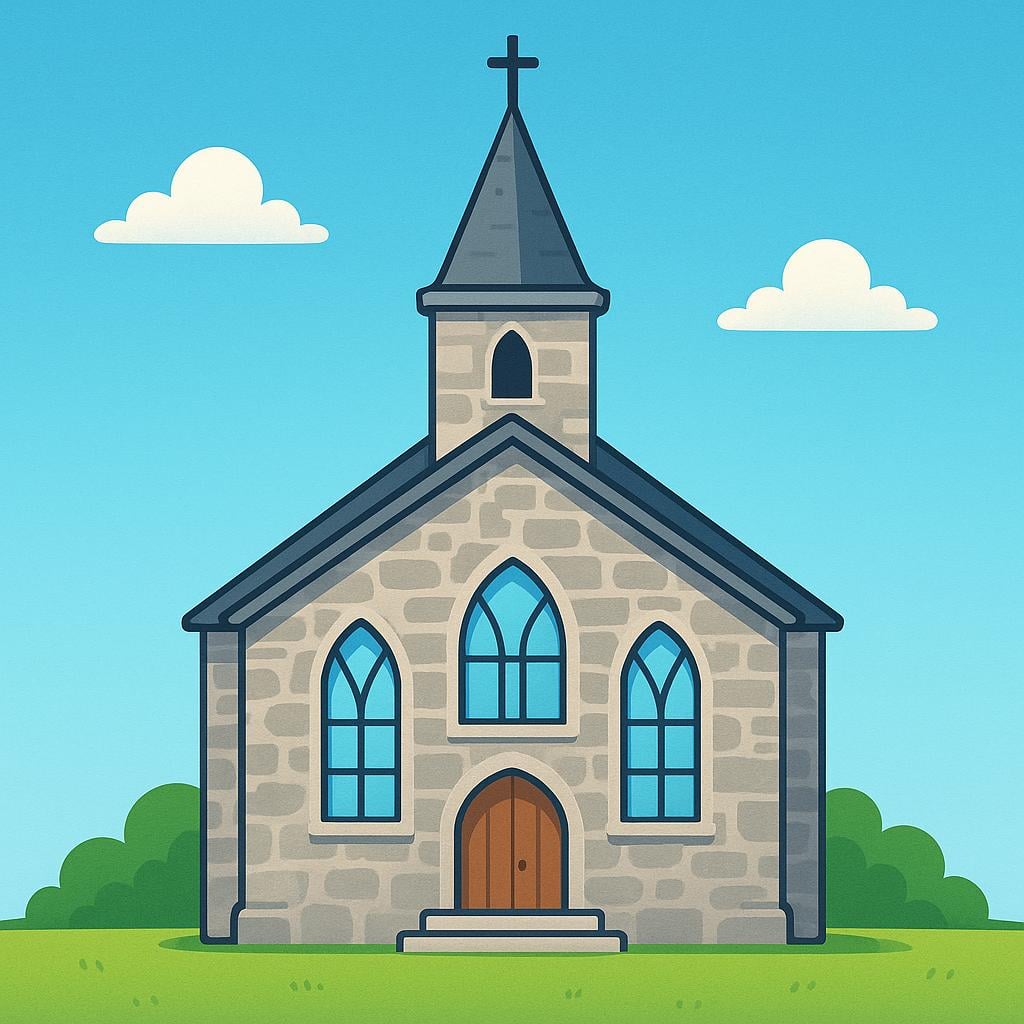
church
📝 In Action
La iglesia del pueblo es muy antigua y bonita.
A1The town's church is very old and beautiful.
Vamos a la iglesia todos los domingos.
A1We go to church every Sunday.
Las campanas de la iglesia están sonando.
A2The church bells are ringing.
the Church

📝 In Action
La Iglesia Católica tiene una gran influencia en la historia de Europa.
B1The Catholic Church has a great influence on the history of Europe.
El debate sobre la separación entre Iglesia y Estado es muy importante.
B2The debate about the separation of Church and State is very important.
Mi tía es muy activa en su iglesia; organiza eventos para la comunidad.
B1My aunt is very active in her church; she organizes events for the community.
Translate to Spanish
✏️ Quick Practice
Quick Quiz: iglesia
Question 1 of 1
Which sentence uses 'iglesia' to refer to the *institution* and not the physical building?
📚 More Resources
👥 Word Family▼
📚 Etymology▼
Comes from the Latin word 'ecclesia', which itself came from the Greek 'ekklēsía'. Originally, this Greek word meant an 'assembly' or 'gathering' of citizens. Early Christians adopted it to refer to their community, and eventually, the buildings where they met.
First recorded: Around the 10th century
Cognates (Related words)
💡 Master Spanish
Take your Spanish to the next level. Read 200+ illustrated and narrated Spanish stories tailored to your level with the Inklingo app!
Frequently Asked Questions
Do I always capitalize 'iglesia'?
No. Capitalize it when you mean the global institution (e.g., 'la Iglesia Católica'). Use lowercase ('iglesia') when you're talking about a specific, local church building or its community.
Can 'iglesia' refer to a non-Christian place of worship, like a mosque or a synagogue?
Generally, no. 'Iglesia' is almost exclusively used for Christian places of worship. For a mosque, you would use 'mezquita', and for a synagogue, 'sinagoga'.