Inklingo

importan

/eem-por-TAHN/

matter

A single, small, bright red glowing pebble resting prominently on a simple wooden pedestal, surrounded by many dull gray pebbles on the ground, symbolizing significance.

When things matter (importan), they stand out and are given significance.

importan(verb)

A1regular ar

matter

?

when talking about significance

,

are important

?

when describing things that count

Also:

concern

?

as in 'they affect me'

📝 In Action

Los pequeños detalles siempre importan.

A2

The small details always matter.

Para mí, sus palabras no me importan en absoluto.

B1

For me, their words don't matter at all.

Word Connections

Synonyms

  • valer (to be worth)
  • significar (to signify)

Antonyms

  • dar igual (to not matter)

Common Collocations

  • Me importan muchoThey matter a lot to me
  • No me importan nadaThey don't matter to me at all

Idioms & Expressions

  • ¡Qué me importa!I don't care!

💡 Grammar Points

The 'Gustar' Structure

When using 'importar' to mean 'to matter,' the item that matters is the grammatical subject. Since 'importan' is plural, the thing(s) that matter must be plural: 'Los regalos (subject) importan (verb) a ella (indirect object).'

Directly Addressing People

This form 'importan' is used when speaking formally (Ustedes) or about a group of people (Ellos/Ellas) in the present tense: 'Ustedes importan la paz.' (You all value peace.)

❌ Common Pitfalls

Confusing the Subject

Mistake: "Yo importan la opinión. (I matter the opinion.)"

Correction: La opinión me importa. (The opinion matters to me.) Remember, the thing that matters is the subject, and the person affected is the object (me/te/le/nos/os/les).

⭐ Usage Tips

Focus on the Plural Subject

Since this word ends in '-an,' the subject must be plural (e.g., 'ideas,' 'amigos,' 'sentimientos'). If only one thing matters, you must use 'importa' (singular).

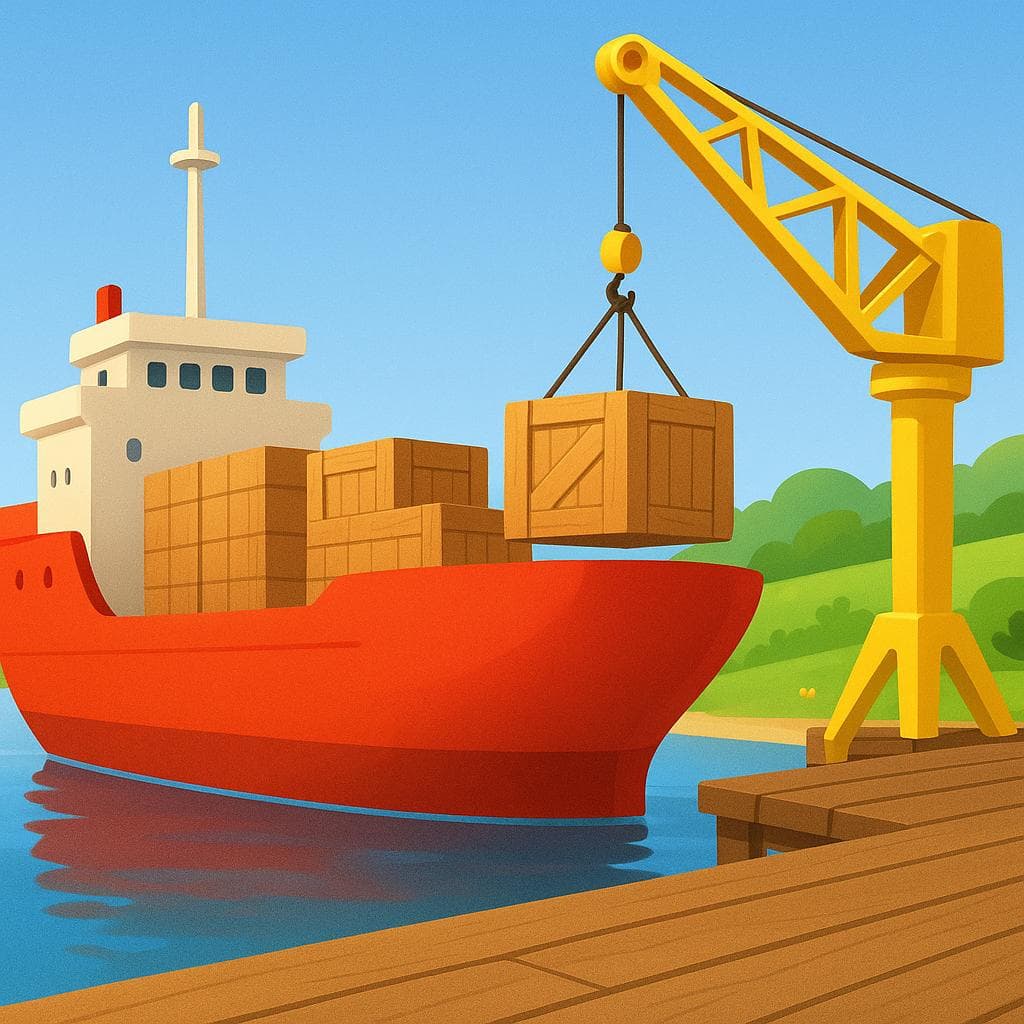
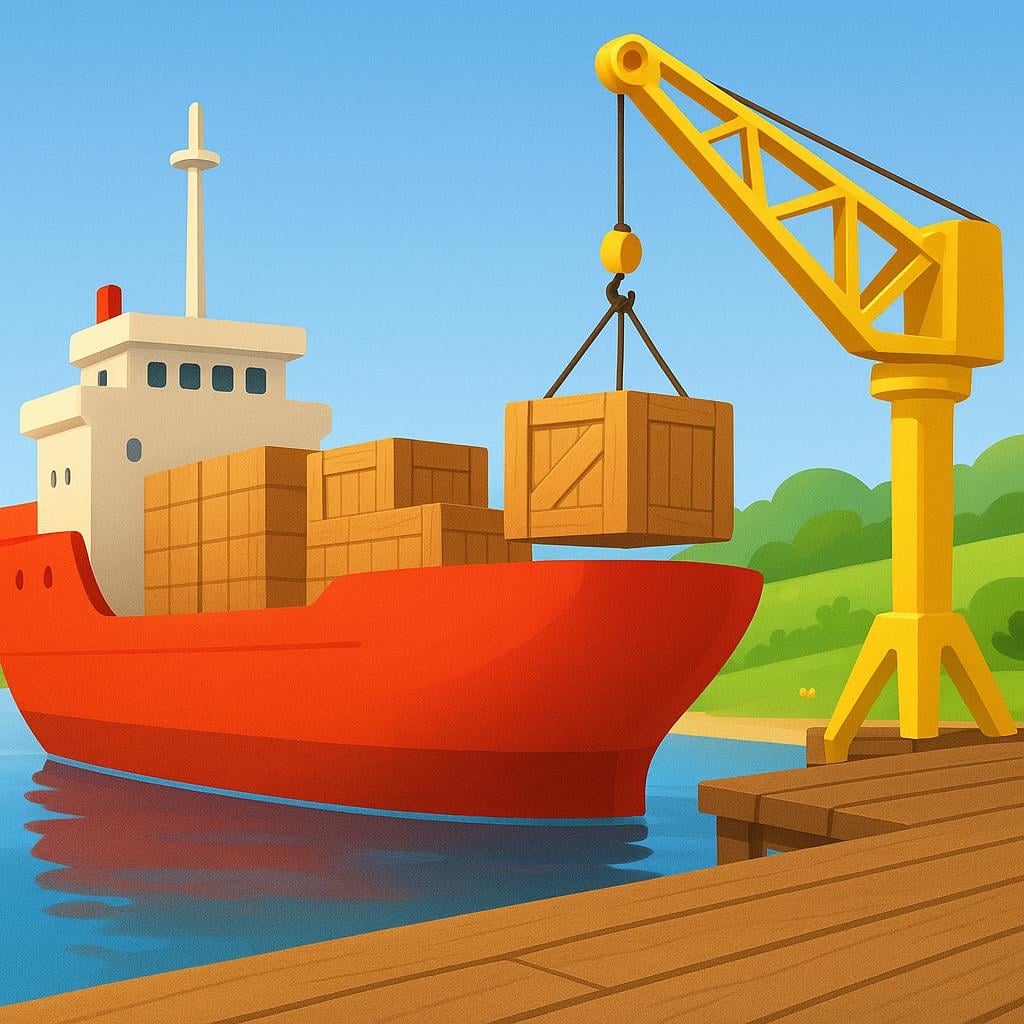
A large bright red cargo ship is docked next to a pier on a green coastline. A yellow industrial crane is lifting a large wooden crate from the ship and placing it onto the dock.

Importing (importan) means bringing goods from one country into another, often via large cargo ships.

importan(verb)

B1regular ar

import

?

to bring goods into a country

Also:

bring in

?

general sense of moving goods

📝 In Action

Las tiendas grandes importan la mayoría de sus productos.

B1

The large stores import the majority of their products.

¿Qué países importan más petróleo a Europa?

B2

Which countries import the most oil to Europe?

Word Connections

Synonyms

  • traer (to bring)
  • introducir (to introduce)

Antonyms

  • exportan (they export)

Common Collocations

  • Importan mercancíaThey import merchandise
  • Importan bienesThey import goods

💡 Grammar Points

Transitive Use

In this meaning, 'importan' is used simply, like 'they buy' or 'they sell.' The goods being imported are the direct object: 'Ellos importan (verb) tecnología (object).'

⭐ Usage Tips

Context is Key

If you see 'importan' followed by a type of product (cars, food, electronics), it almost certainly means 'they import' (the goods). If it's followed by 'me/te/le,' it means 'to matter.'

🔄 Conjugations

indicative

present

él/ella/ustedimporta
yoimporto
importas
ellos/ellas/ustedesimportan
nosotrosimportamos
vosotrosimportáis

imperfect

él/ella/ustedimportaba
yoimportaba
importabas
ellos/ellas/ustedesimportaban
nosotrosimportábamos
vosotrosimportabais

preterite

él/ella/ustedimportó
yoimporté
importaste
ellos/ellas/ustedesimportaron
nosotrosimportamos
vosotrosimportasteis

subjunctive

present

él/ella/ustedimporte
yoimporte
importes
ellos/ellas/ustedesimporten
nosotrosimportemos
vosotrosimportéis

imperfect

él/ella/ustedimportara/importase
yoimportara/importase
importaras/importases
ellos/ellas/ustedesimportaran/importasen
nosotrosimportáramos/importásemos
vosotrosimportarais/importaseis

✏️ Quick Practice

💡 Quick Quiz: importan

Question 1 of 2

Which sentence uses 'importan' in the sense of 'to matter'?

📚 More Resources

Word Family

importar(to matter/to import) - infinitive verb
importante(important) - adjective

Frequently Asked Questions

Why does 'importan' sometimes mean 'they matter' and sometimes 'they import goods'?

This is a case where one verb has two very different jobs! The meaning is usually clear from the context. If you see 'me/te/le' before it, it means 'to matter.' If you see a product after it, it means 'to bring in goods.'

What is the difference between 'importa' and 'importan'?

'Importa' is used when the subject (the thing that matters or is being imported) is singular (e.g., 'El tiempo importa'). 'Importan' is used when the subject is plural (e.g., 'Los amigos importan').