inglesa
“inglesa” means “English” in Spanish. It has 2 different meanings depending on context:
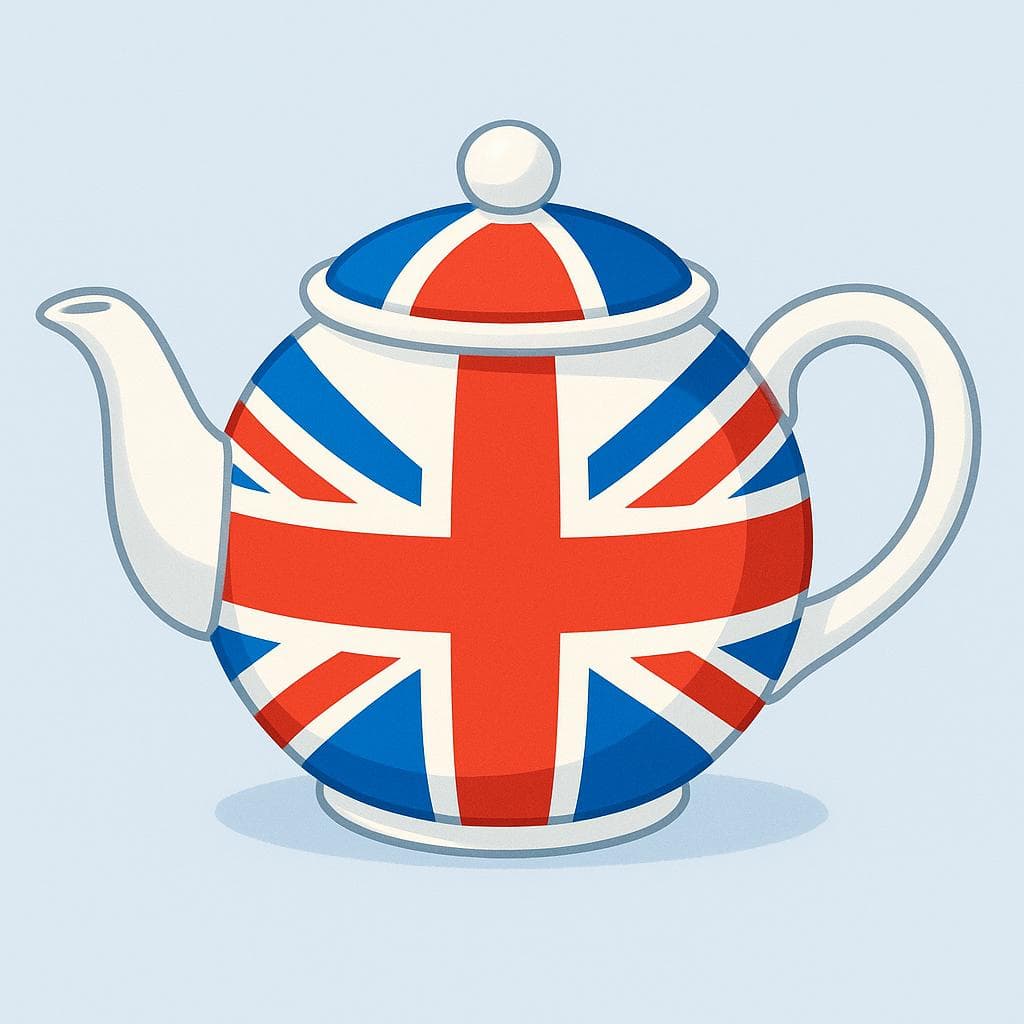

English
Also: British
📝 In Action
La taza inglesa de té se rompió.
A1The English teacup broke.
Esta es la versión inglesa de la canción.
A2This is the English version of the song.
Me encanta la literatura inglesa clásica.
B1I love classic English literature.
Englishwoman
Also: British woman
📝 In Action
La nueva estudiante es una inglesa de Londres.
A1The new student is an Englishwoman from London.
Ella se casó con una inglesa el año pasado.
A2He married a British woman last year.
Las inglesas tienen fama de ser muy puntuales.
B1English women have a reputation for being very punctual.
Translate to Spanish
✏️ Quick Practice
Quick Quiz: inglesa
Question 1 of 1
Which sentence correctly uses 'inglesa' as a noun?
📚 More Resources
👥 Word Family▼
📚 Etymology▼
Comes from the Late Latin word *Angliscus*, which referred to the Angles, one of the Germanic tribes that settled in Britain. The suffix -esa is the standard Spanish way to form feminine nationality nouns and adjectives.
First recorded: Around the 13th century in its current form.
Cognates (Related words)
💡 Master Spanish
Take your Spanish to the next level. Read 200+ illustrated and narrated Spanish stories tailored to your level with the Inklingo app!
Frequently Asked Questions
What is the difference between 'inglés' and 'inglesa'?
'Inglés' is the masculine form (used for men or masculine things/concepts, and also the English language). 'Inglesa' is the feminine form (used for women or feminine things/concepts).
Should I capitalize 'inglesa'?
No. In Spanish, words for nationalities and languages are generally not capitalized, even when they start a sentence. Write 'la inglesa' not 'la Inglesa'.