intentaba
“intentaba” means “was trying” in Spanish (continuous past action (I/he/she/it/you formal)).
was trying, used to tryAlso: was attempting
📝 In Action
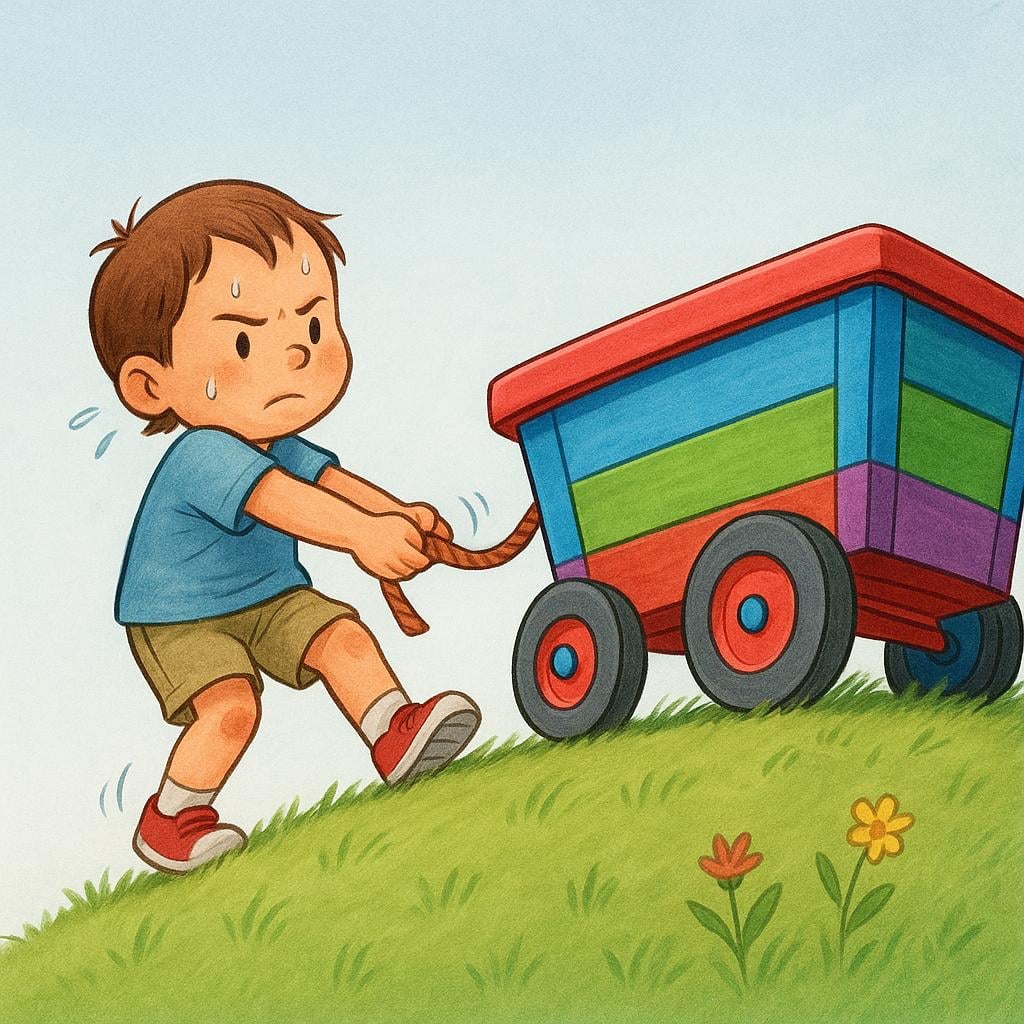
Ella intentaba abrir la caja fuerte con un clip.
A2She was trying to open the safe with a paperclip.
Cuando vivía en México, intentaba hablar español todos los días.
A2When I lived in Mexico, I used to try to speak Spanish every day.
El equipo intentaba ganar el partido, pero se quedaron sin tiempo.
B1The team was attempting to win the game, but they ran out of time.
Word Connections
Indicative
Present
Imperfect
Preterite
Subjunctive
Present Subjunctive
Imperfect Subjunctive
Translate to Spanish
Words that translate to "intentaba" in Spanish:
✏️ Quick Practice
Quick Quiz: intentaba
Question 1 of 1
Which sentence uses 'intentaba' correctly to describe a past habit?
📚 More Resources
👥 Word Family
📚 Etymology
Comes from the Latin verb *intentare*, which meant 'to stretch out' or 'to aim at.' This connection shows that when you 'try' something, you are aiming your effort toward a goal.
First recorded: 13th century
Cognates (Related words)
💡 Master Spanish
Take your Spanish to the next level. Read 200+ illustrated and narrated Spanish stories tailored to your level with the Inklingo app!
Frequently Asked Questions
Why does 'intentaba' translate to both 'I was trying' and 'He/She was trying'?
'Intentaba' is the exact same form for the 'yo' (I), 'él' (he), 'ella' (she), and 'usted' (you formal) subjects in the imperfect tense. Spanish often relies on context or explicitly stating the subject (Yo intentaba, Ella intentaba) to be clear.