jungla
“jungla” means “jungle” in Spanish. It has 2 different meanings depending on context:
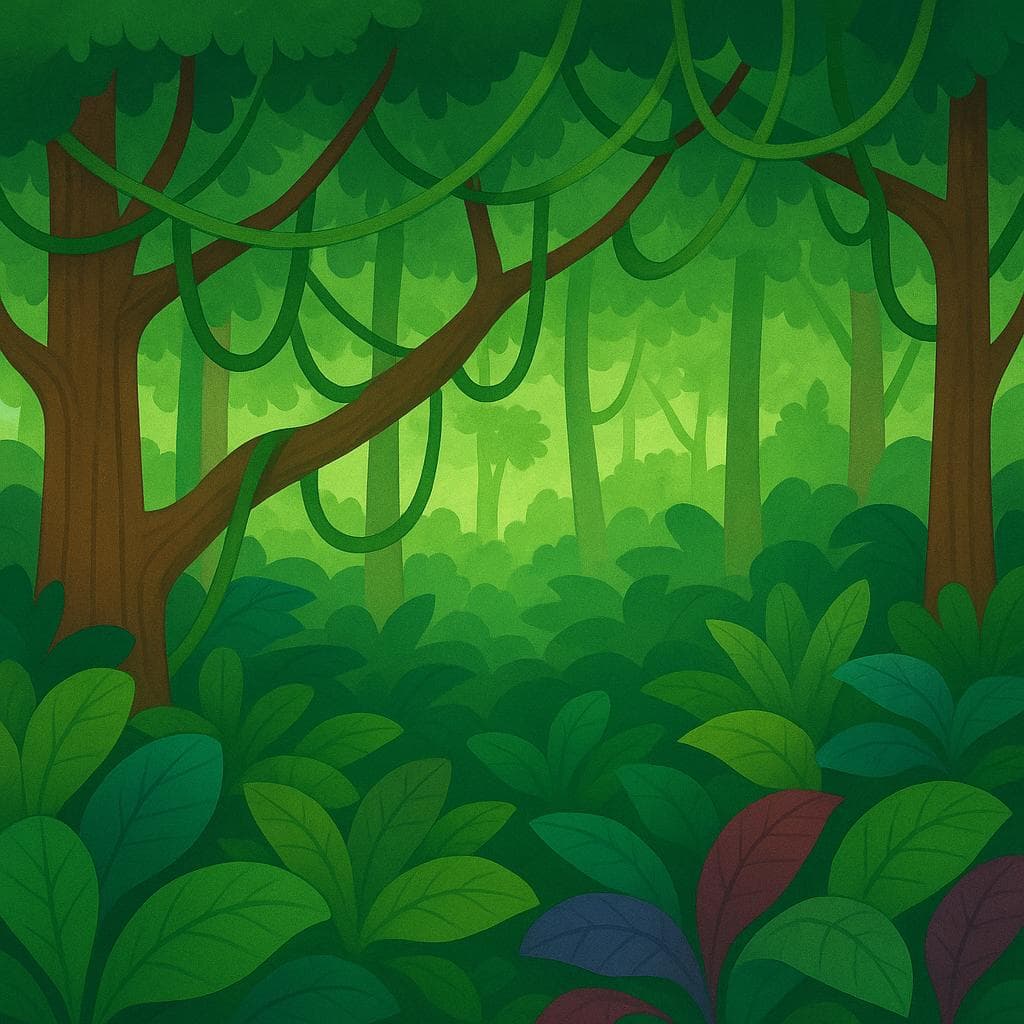
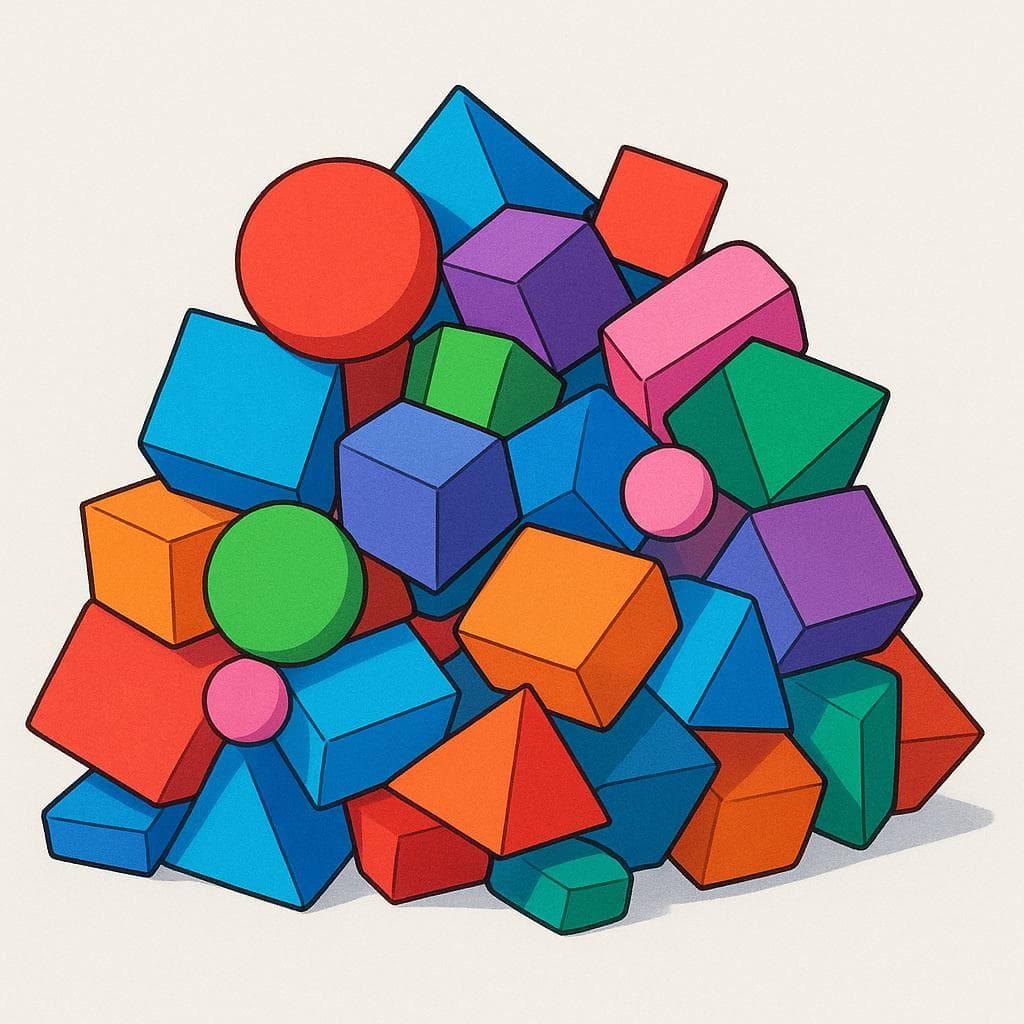
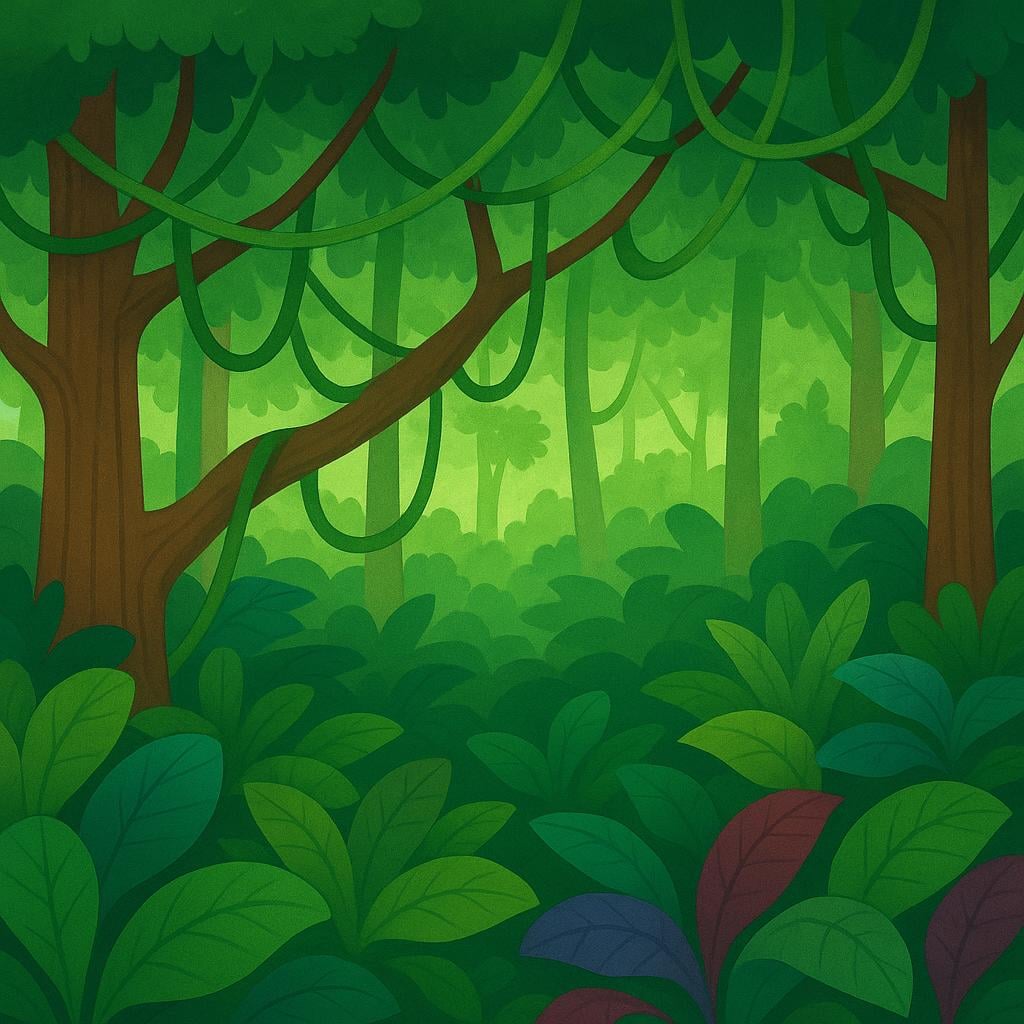
jungle, rainforest
📝 In Action
Tuvimos que abrirnos paso con machetes a través de la jungla.
B1We had to hack our way through the jungle with machetes.
La jungla amazónica alberga miles de especies de animales.
A2The Amazon jungle is home to thousands of animal species.
jungle
Also: rat race, dog-eat-dog world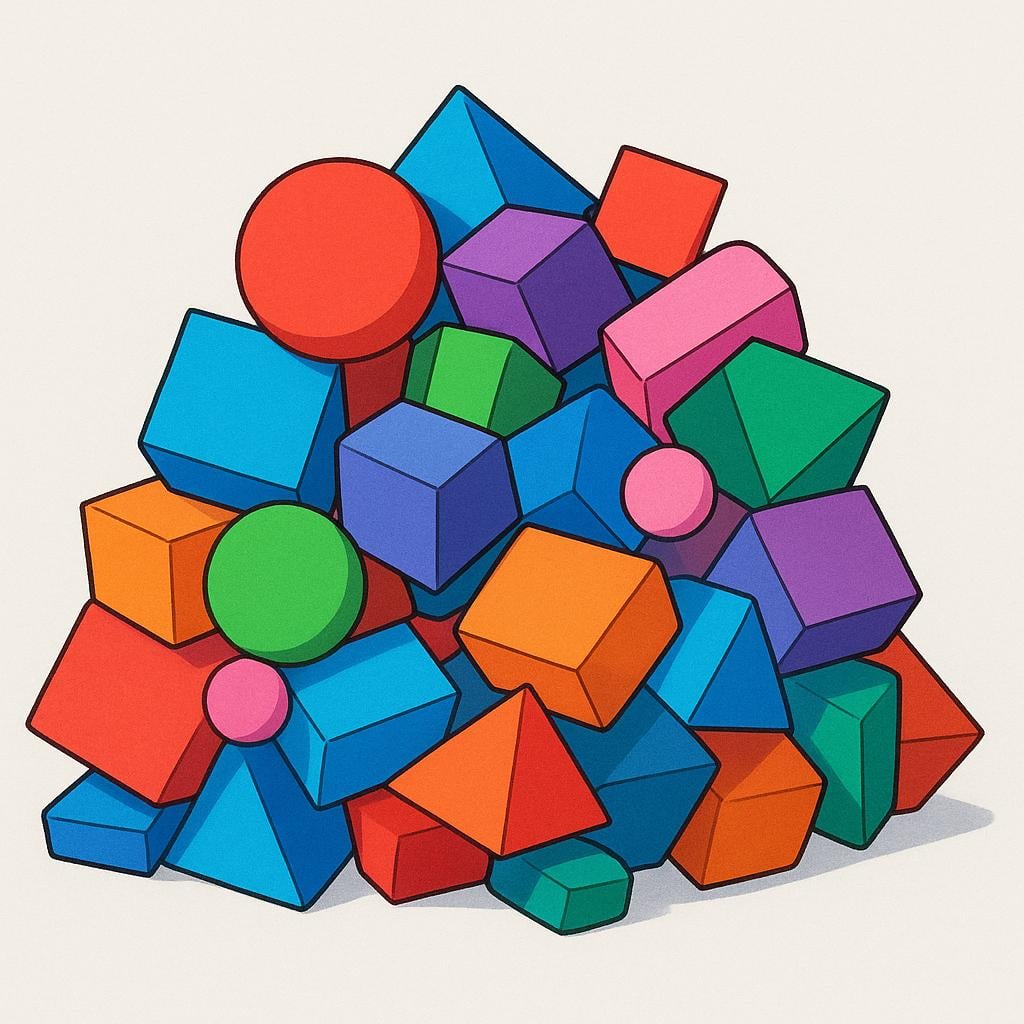
📝 In Action
El mercado laboral es una jungla donde solo sobreviven los más fuertes.
B2The job market is a jungle where only the strongest survive.
La jungla de cemento de la ciudad de Nueva York nunca duerme.
C1The concrete jungle of New York City never sleeps.
Translate to Spanish
✏️ Quick Practice
Quick Quiz: jungla
Question 1 of 1
Which sentence uses 'jungla' in its figurative sense?
📚 More Resources
👥 Word Family▼
🎵 Rhymes▼
📚 Etymology▼
The Spanish word 'jungla' comes from the English word 'jungle,' which itself was borrowed from the Hindi word 'jangal.' 'Jangal' originally meant 'wasteland' or 'uncultivated ground,' but its meaning evolved to refer to the dense, wild tropical forests we know today.
First recorded: 19th century (in Spanish)
Cognates (Related words)
💡 Master Spanish
Take your Spanish to the next level. Read 200+ illustrated and narrated Spanish stories tailored to your level with the Inklingo app!
Frequently Asked Questions
Is 'jungla' the same as 'selva'?
They are very similar! Both refer to dense tropical forests. 'Selva' is perhaps more common in Latin American countries and often emphasizes the vast, natural ecosystem, while 'jungla' is often used when emphasizing the difficulty, wildness, or impenetrable nature of the forest. They are usually interchangeable.
How do I pronounce the 'j' in 'jungla'?
The 'j' in 'jungla' makes a strong, breathy 'h' sound, similar to the 'h' in the English word 'house'. The correct sound is /hoong-glah/.