lenguaje
“lenguaje” means “language” in Spanish. It has 3 different meanings depending on context:
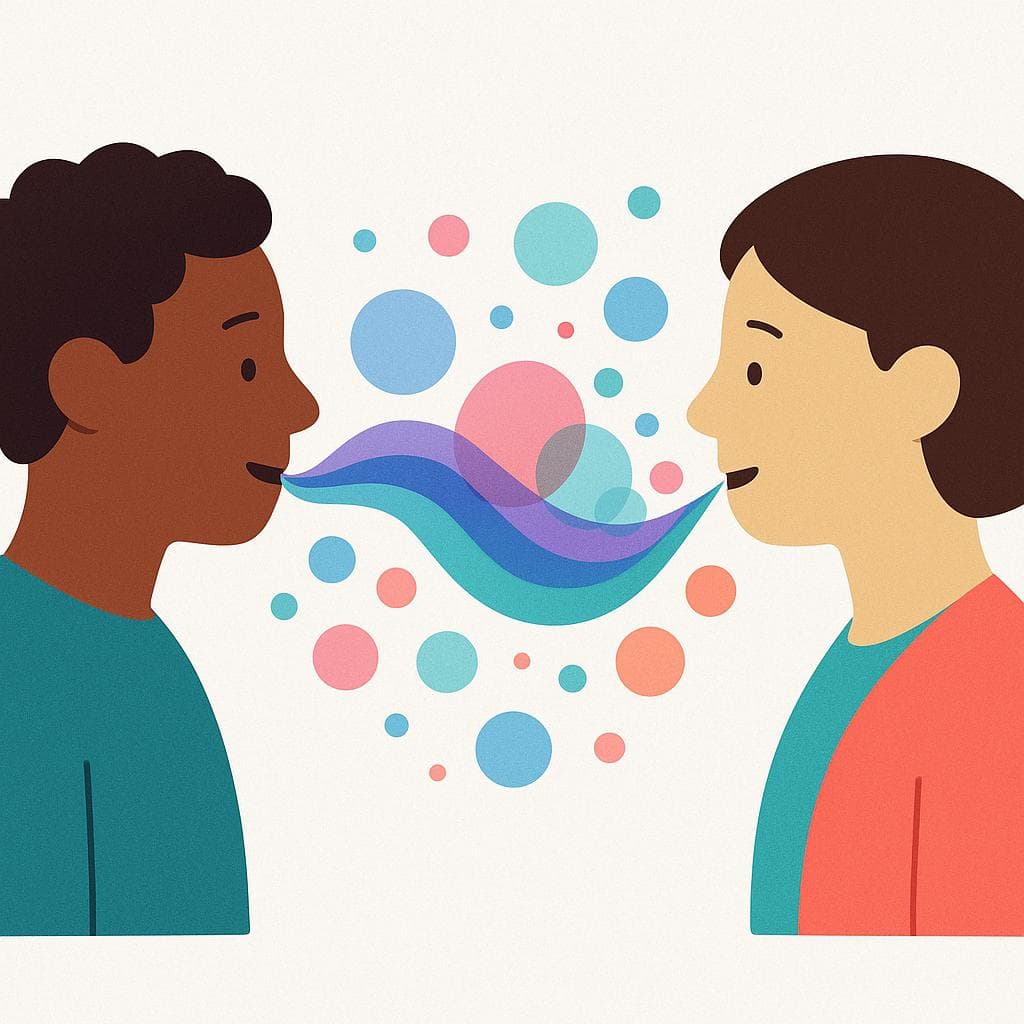
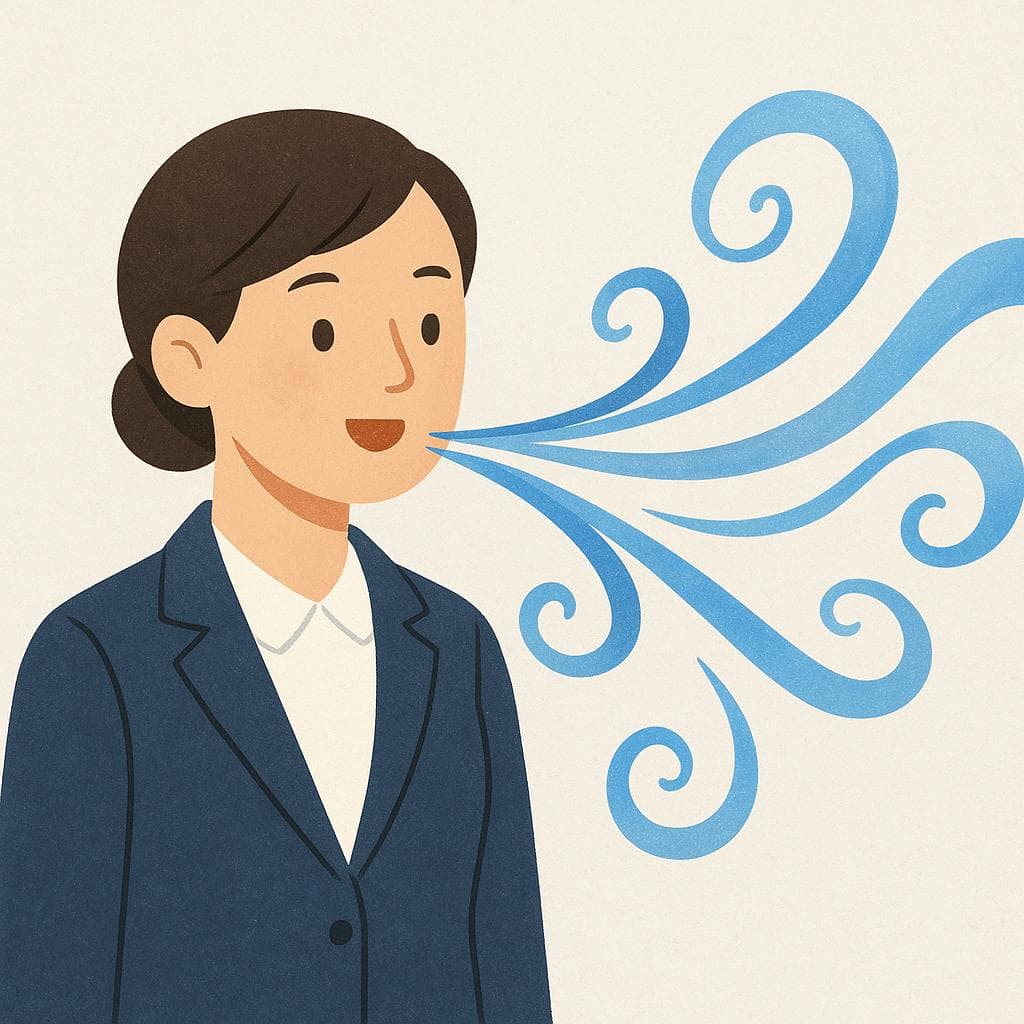

language, speech

📝 In Action
El lenguaje es lo que nos diferencia de los animales.
A2Language is what differentiates us from animals.
El desarrollo del lenguaje en los niños es fascinante.
B1The development of language in children is fascinating.
Word Connections
style, discourseAlso: terminology

📝 In Action
Su lenguaje corporal indicaba que estaba nervioso.
B1His body language indicated he was nervous.
El informe usa un lenguaje demasiado técnico para el público general.
B2The report uses language that is too technical for the general public.
Ella siempre usa un lenguaje muy educado y formal.
B1She always uses very polite and formal language.
Word Connections
language

📝 In Action
Python es un lenguaje de programación muy popular para principiantes.
B2Python is a very popular programming language for beginners.
Necesitamos un nuevo lenguaje para describir este fenómeno.
C1We need a new language (system of symbols) to describe this phenomenon.
Word Connections
Translate to Spanish
Words that translate to "lenguaje" in Spanish:
✏️ Quick Practice
Quick Quiz: lenguaje
Question 1 of 2
Which sentence correctly uses 'lenguaje' according to its primary meaning?
📚 More Resources
👥 Word Family
📚 Etymology
The word comes from the Old Spanish 'lenguaje', which itself derived from the Latin word *lingua*, meaning 'tongue' or 'language.' This connection explains why 'lengua' in modern Spanish means both the body part and a specific language.
First recorded: Medieval period (c. 13th century)
Cognates (Related words)
💡 Master Spanish
Take your Spanish to the next level. Read 200+ illustrated and narrated Spanish stories tailored to your level with the Inklingo app!
Frequently Asked Questions
¿Cuál es la diferencia entre 'lenguaje' y 'idioma'?
The difference is subtle but important! 'Lenguaje' is the general ability or system (e.g., 'the human capacity for language,' or 'body language'). 'Idioma' (or 'lengua') refers to a specific, learned system, like 'the Spanish language' or 'the French language.'
Since 'lenguaje' ends in '-e', why isn't it feminine?
Most Spanish nouns ending in '-e' can be either masculine or feminine, but 'lenguaje' is always masculine ('el lenguaje'). You simply have to memorize that this word follows the masculine pattern.