licor
“licor” means “liquor” in Spanish (strong distilled alcoholic drink).
liquor, liqueur
Also: spirit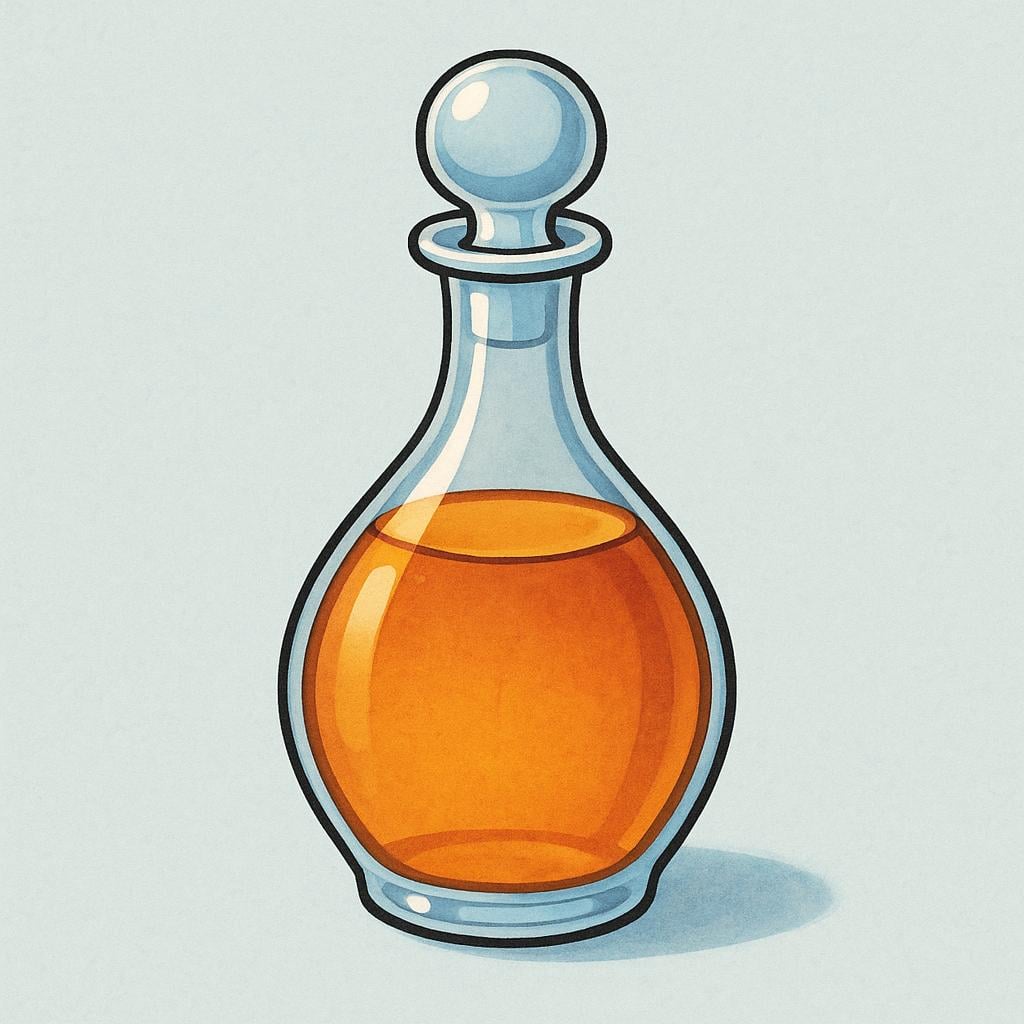
📝 In Action
Mi abuelo siempre toma un vaso de licor de hierbas después de la cena.
B1My grandfather always has a glass of herbal liqueur after dinner.
Necesitamos ir a la tienda de licores a comprar ron y tequila.
A2We need to go to the liquor store to buy rum and tequila.
El consumo excesivo de licor puede ser perjudicial para la salud.
B2Excessive consumption of liquor can be harmful to health.
✏️ Quick Practice
Quick Quiz: licor
Question 1 of 1
Which of these beverages is usually considered a 'licor' in Spanish?
📚 More Resources
👥 Word Family▼
📚 Etymology▼
'Licor' comes from the Latin word *liquor*, which simply meant 'fluid' or 'liquid'. Over time, its meaning became specialized, moving from general fluid to the specific type of strong, distilled liquid we know today.
First recorded: Medieval Latin
Cognates (Related words)
💡 Master Spanish
Take your Spanish to the next level. Read 200+ illustrated and narrated Spanish stories tailored to your level with the Inklingo app!
Frequently Asked Questions
What is the difference between 'licor' and 'alcohol'?
'Alcohol' is the chemical substance present in drinks, or sometimes used as a general term for all alcoholic beverages. 'Licor' specifically refers to the strong, distilled drinks like vodka, whiskey, or rum, or sweet liqueurs.
Can I use 'licor' to refer to wine?
No. Wine is almost always called 'vino' (or sometimes 'licor de uva' in very specific, specialized contexts like fortified wines), but generally, 'licor' means spirits, not wine.