lámpara
“lámpara” means “lamp” in Spanish. It has 2 different meanings depending on context:
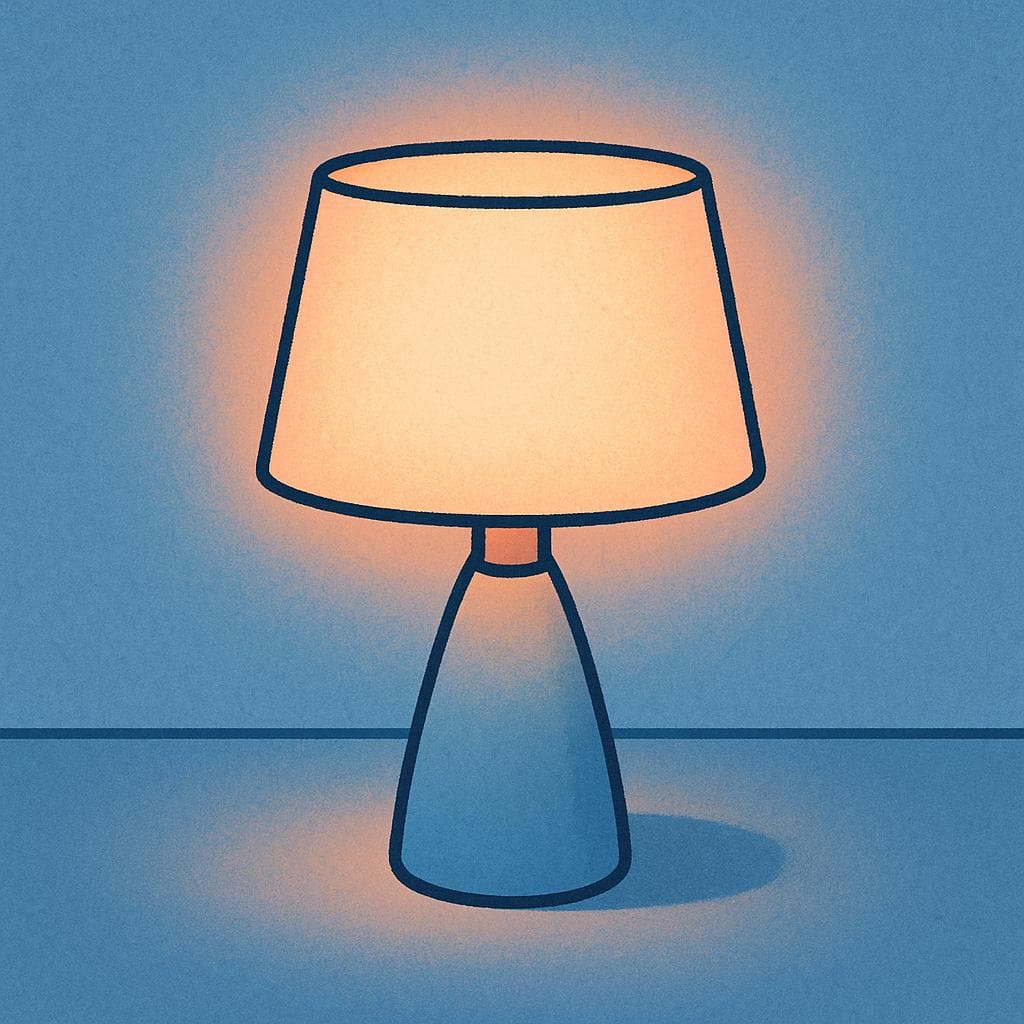

lamp, light fixture
Also: lighting unit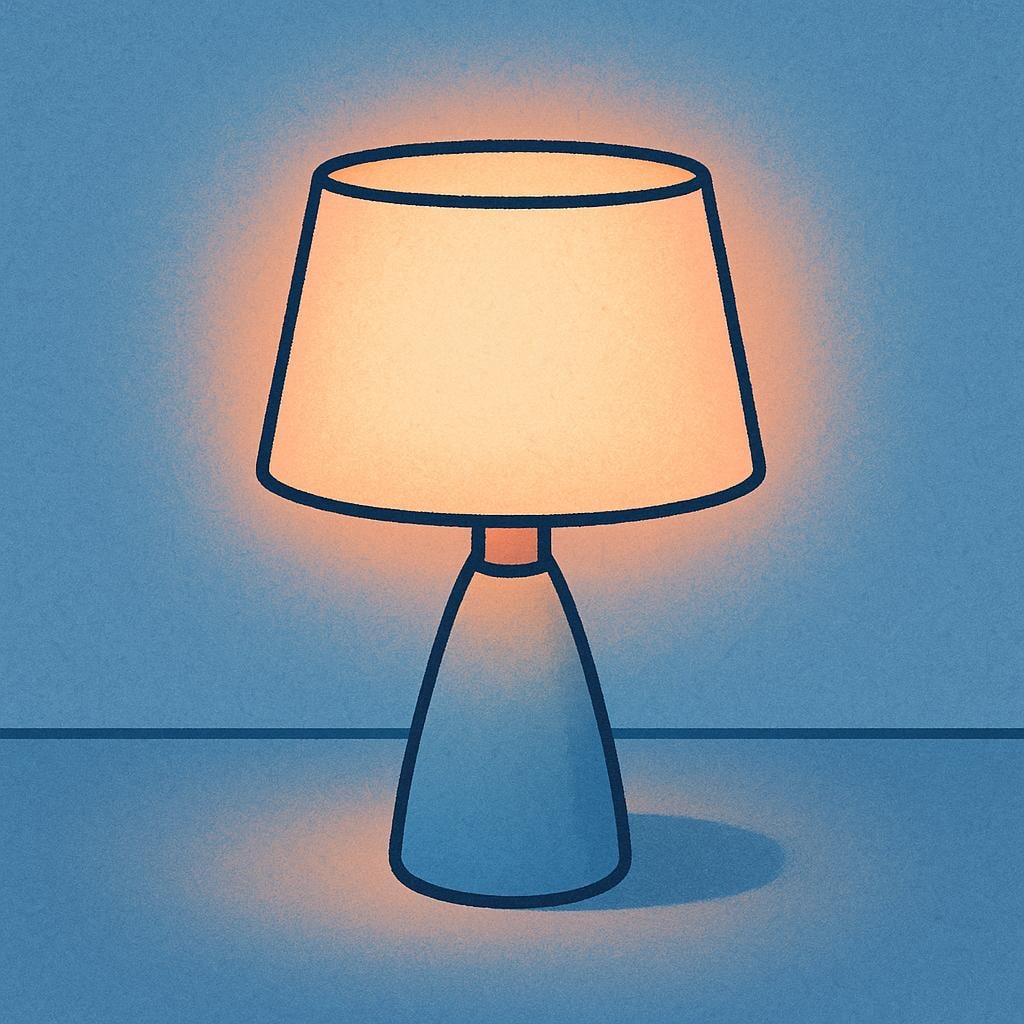
📝 In Action
Compré una lámpara de pie nueva para la sala.
A1I bought a new floor lamp for the living room.
La lámpara del comedor tiene un diseño muy moderno.
A2The dining room light fixture has a very modern design.
light bulb
Also: tube light
📝 In Action
Necesitamos comprar una lámpara de repuesto porque esta se fundió.
B1We need to buy a replacement light bulb because this one burned out.
Asegúrate de que la lámpara sea de bajo consumo.
B2Make sure the bulb is energy-saving.
Translate to Spanish
✏️ Quick Practice
Quick Quiz: lámpara
Question 1 of 2
Which sentence uses 'lámpara' in the sense of 'the entire lighting fixture'?
📚 More Resources
👥 Word Family▼
🎵 Rhymes▼
📚 Etymology▼
Comes from the Old Spanish word 'lámpara', which itself originated from the Latin word 'lampas'. This Latin term was borrowed from the Ancient Greek word 'lampás', meaning 'torch' or 'light'.
First recorded: Medieval period (around the 13th century)
Cognates (Related words)
💡 Master Spanish
Take your Spanish to the next level. Read 200+ illustrated and narrated Spanish stories tailored to your level with the Inklingo app!
Frequently Asked Questions
How is 'lámpara' different from 'luz'?
'Luz' means 'light' (the energy or illumination itself, like 'turn off the light'). 'Lámpara' is the physical object—the device or fixture—that produces the light.
Is 'lamparilla' just a small lamp?
Yes, 'lamparilla' is a diminutive form, meaning a 'small lamp' or often specifically a 'nightlight' or a small, low-powered light source.