Inklingo

maldita

/mal-DEE-tah/

damn

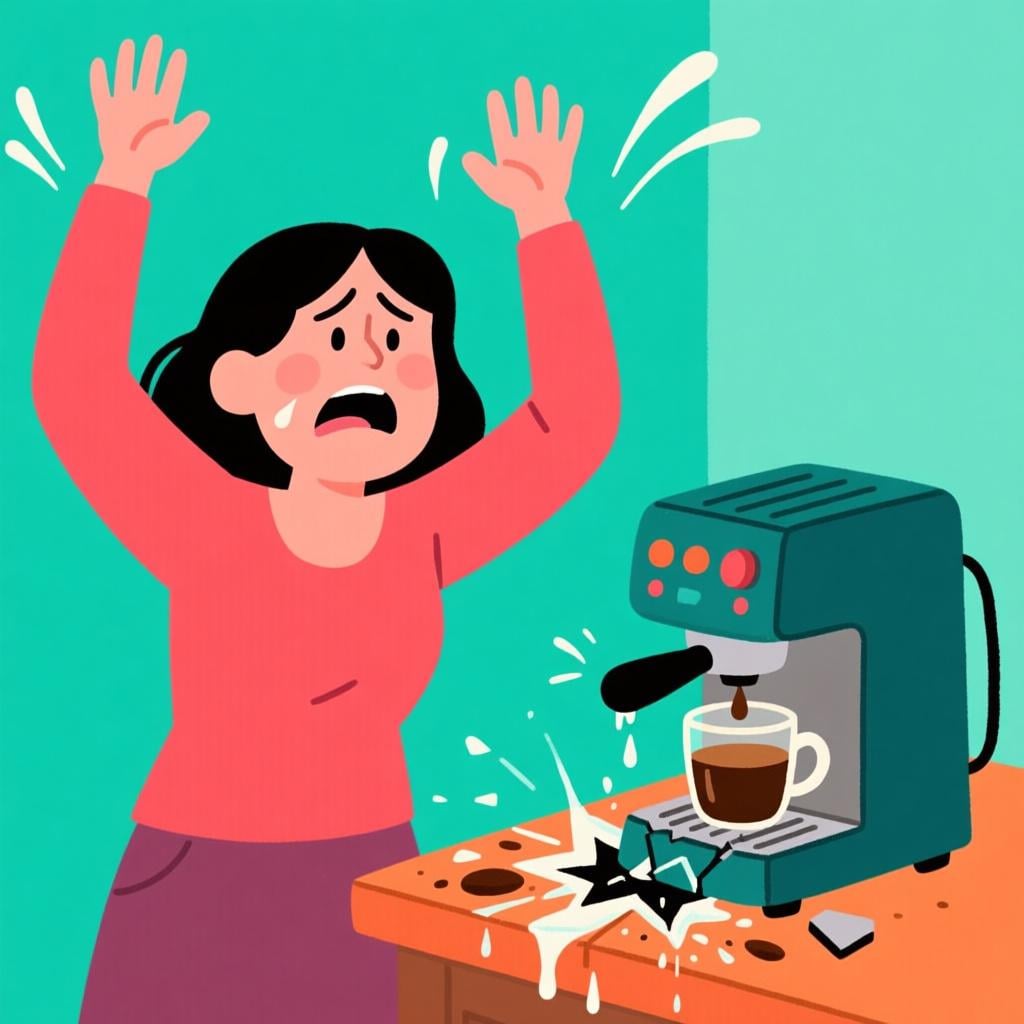
A woman stands in a kitchen, throwing her hands up in exasperation next to a coffee machine that is sputtering and failing to work, symbolizing frustration.

When placed before a noun, 'maldita' is used informally to express strong frustration or annoyance, similar to 'damn' in English (e.g., 'la maldita máquina de café').

maldita(Adjective)

fB1

damn

?

used before a noun to show frustration or annoyance

Also:

darn

?

a milder alternative

,

freaking

?

a common, slightly less vulgar alternative to 'fucking'

📝 In Action

¡Esta maldita máquina de café nunca funciona!

B1

This damn coffee machine never works!

Se me olvidaron las malditas llaves dentro del coche.

B1

I forgot the damn keys inside the car.

Tengo que leer otro maldito capítulo para la clase de mañana.

B2

I have to read another freaking chapter for tomorrow's class.

Word Connections

Synonyms

  • dichosa (darn / blessed (ironic))
  • jodida (fucking (vulgar))

Common Collocations

  • ¡Maldita sea!Damn it!
  • la maldita costumbrethe damn habit

💡 Grammar Points

Placement is Everything

To use 'maldita' for emphasis, you almost always put it before the thing you're talking about. For example, 'la maldita lluvia' (the damn rain). This signals you're frustrated, not that the rain is literally cursed.

❌ Common Pitfalls

Forgetting to Match Gender

Mistake: "Me molesta este maldita ruido."

Correction: Me molesta este maldito ruido. Because 'ruido' (noise) is a masculine word, you need to use the masculine form, 'maldito'.

⭐ Usage Tips

Know Your Audience

While very common, this word is informal and can sound a bit aggressive. It's perfect for showing frustration among friends, but you'd want to avoid it in a professional email or when talking to your boss.

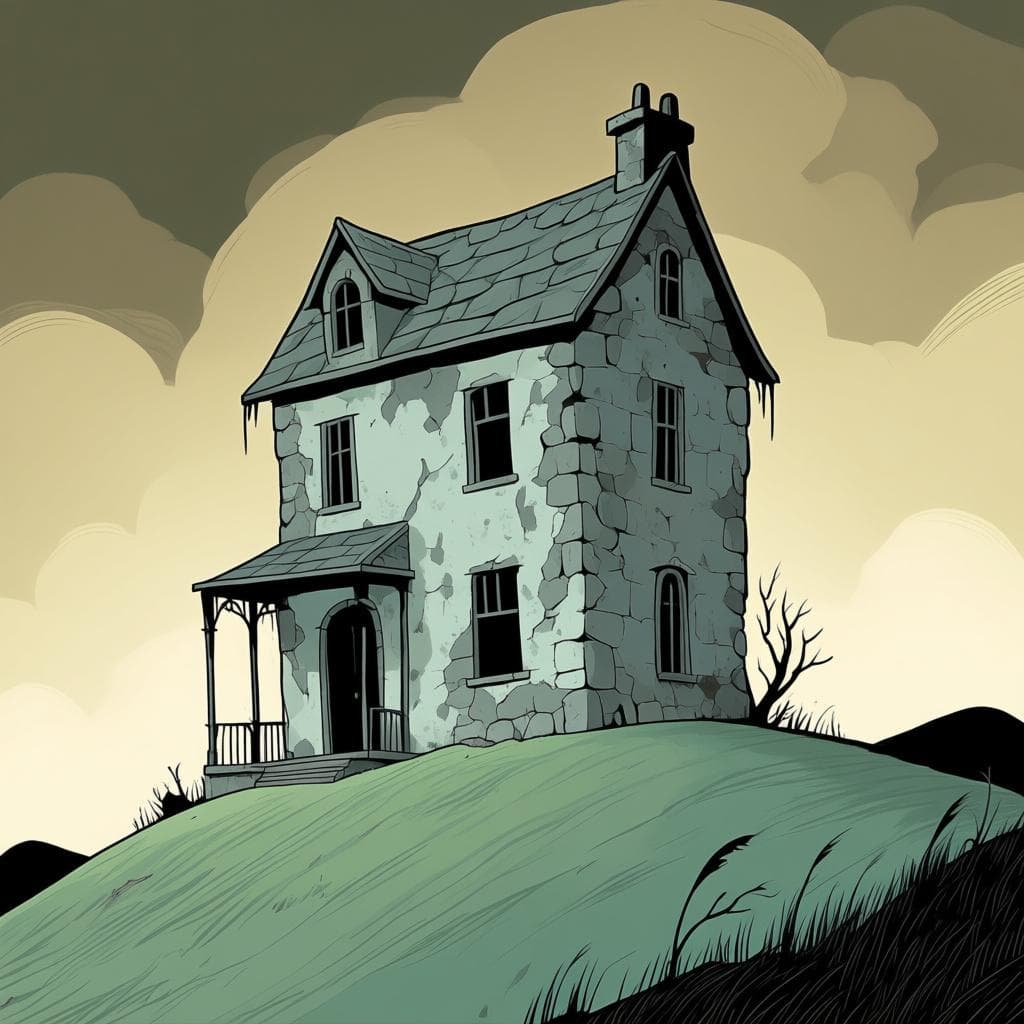
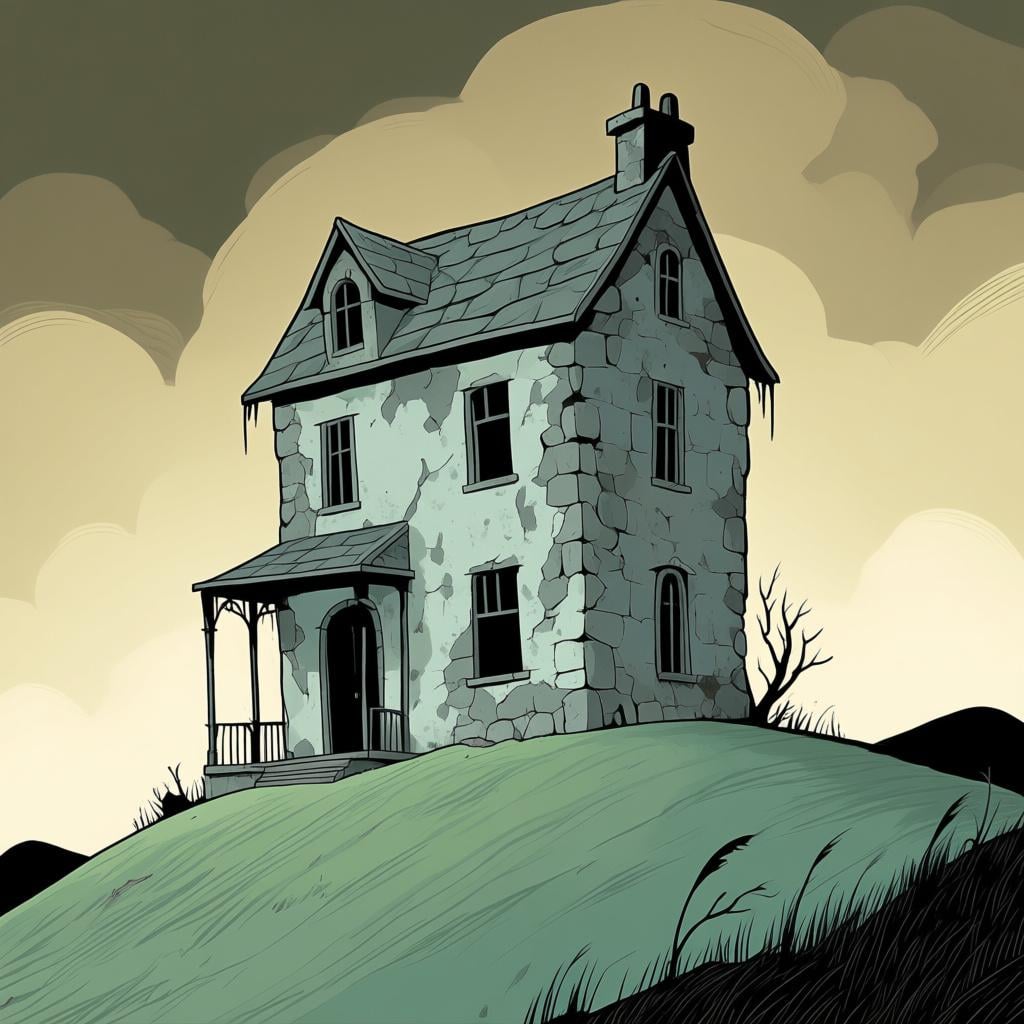
An illustration of a spooky, dilapidated, old stone house under a dark sky, surrounded by twisted, dead trees, representing a cursed place.

Used literally, 'maldita' means 'cursed' or 'damned,' describing something under a spell or truly evil (e.g., 'la casa maldita').

maldita(Adjective)

fB2

cursed

?

having an evil spell or curse placed upon it

Also:

wicked

?

evil or morally wrong

,

damned

?

condemned, especially to hell

📝 In Action

La leyenda cuenta la historia de una bruja maldita.

B2

The legend tells the story of a cursed witch.

Creían que la casa estaba maldita y por eso nadie la compraba.

B2

They believed the house was cursed, and that's why nobody would buy it.

Es una persona maldita, no tiene compasión por nadie.

C1

She is a wicked person; she has no compassion for anyone.

Word Connections

Synonyms

  • hechizada (bewitched)
  • malvada (evil)
  • condenada (damned)

Antonyms

  • bendita (blessed)

Common Collocations

  • una bruja malditaa cursed witch
  • suerte malditacursed luck

💡 Grammar Points

Placement Changes Meaning

When 'maldita' comes after the thing it describes (e.g., 'la casa maldita'), it usually carries this more literal meaning of being cursed. This is the opposite of the frustration meaning, which comes before.

⭐ Usage Tips

Telling Stories

This meaning is perfect for storytelling or being dramatic. If you're talking about a haunted house, a legendary monster, or a fairytale villain, this is the 'maldita' you'll want to use.

✏️ Quick Practice

💡 Quick Quiz: maldita

Question 1 of 1

Which sentence is the best way to say 'This damn pen doesn't write'?

📚 More Resources

Word Family

maldito(damn, cursed (masculine)) - adjective

Frequently Asked Questions

Is 'maldita' a bad swear word?

It's a mild swear word, like 'damn' or 'darn' in English. It's very common and informal, but you probably wouldn't say it in a business meeting or to your grandmother. The phrase '¡maldita sea!' ('damn it!') is a common expression of frustration.

What's the difference between 'maldita' and 'maldito'?

They mean the same thing, but they have to match the gender of the word they describe. 'Maldita' is for feminine words (like 'la casa', the house), and 'maldito' is for masculine words (like 'el coche', the car). So you'd say 'la maldita casa' but 'el maldito coche'.