malditos
“malditos” means “damn” in Spanish. It has 2 different meanings depending on context:
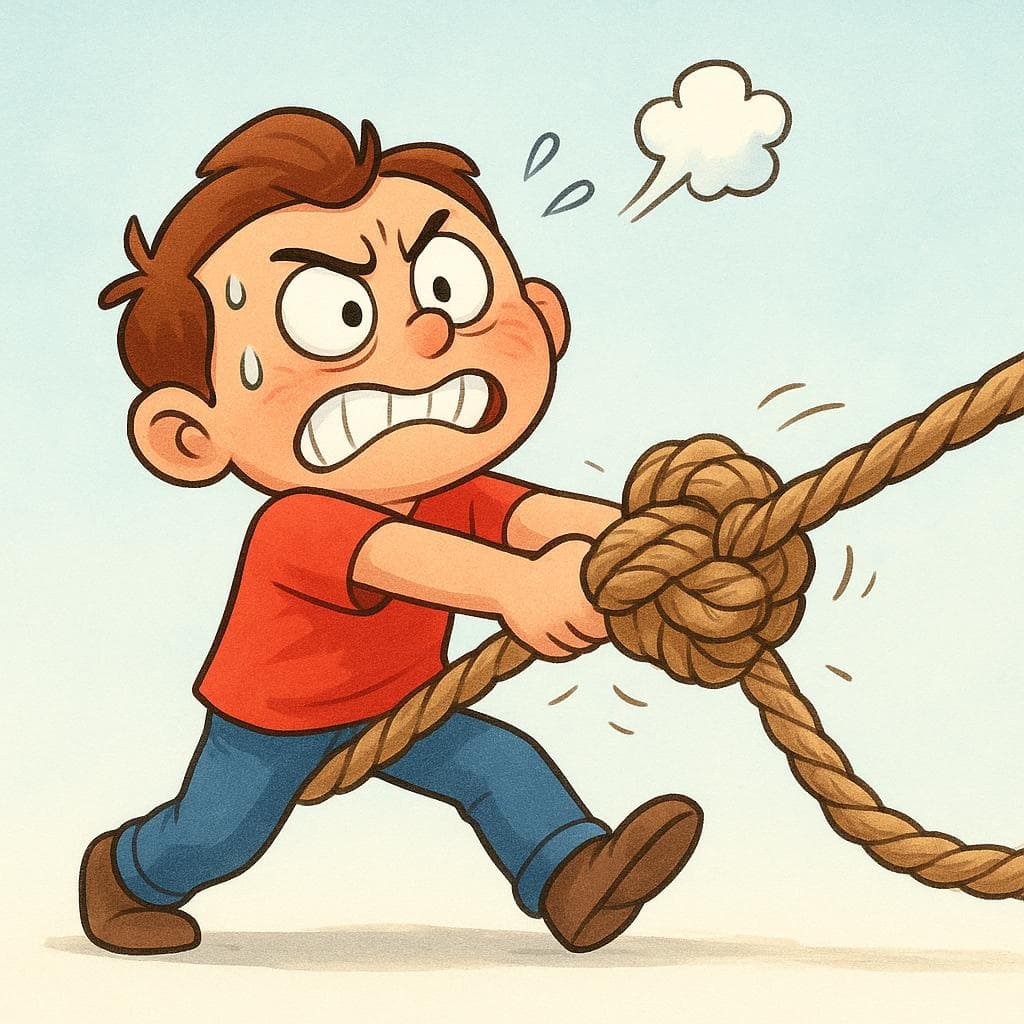

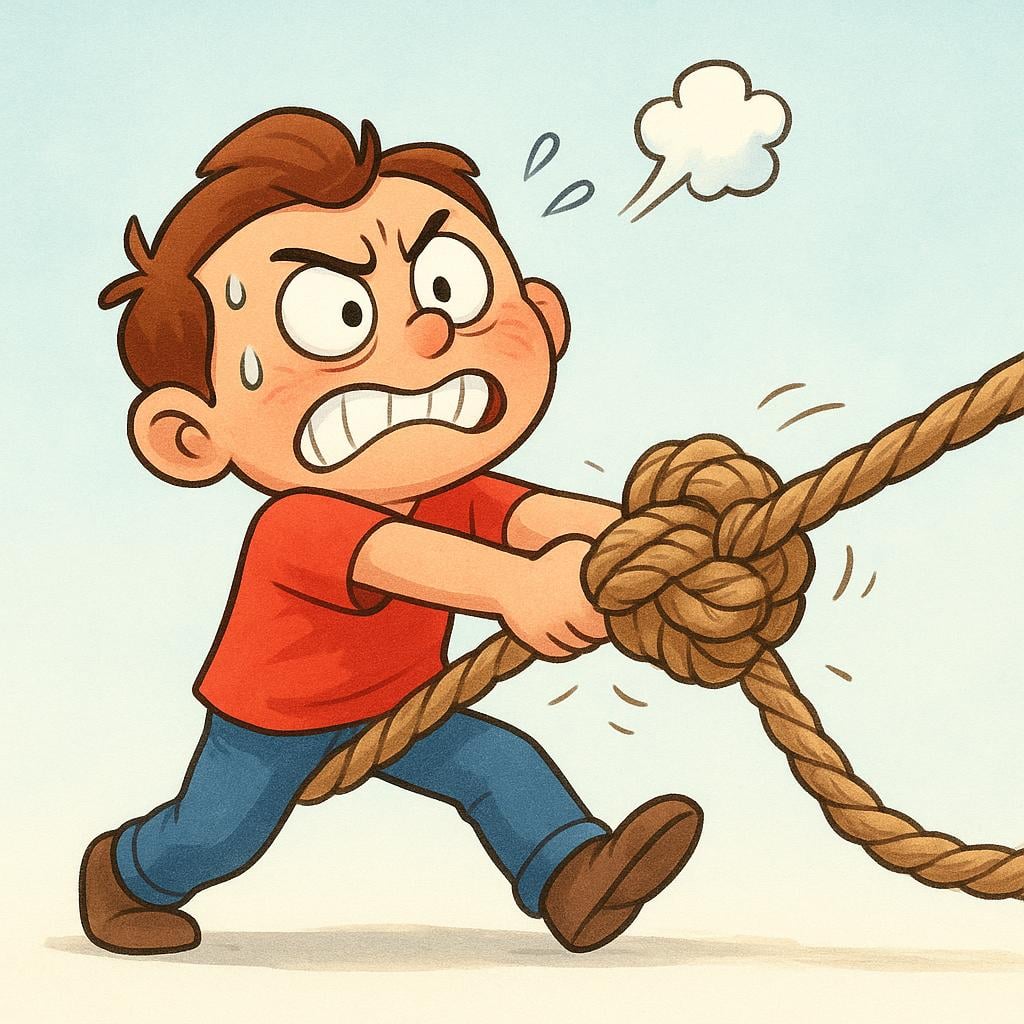
damn, blastedAlso: awful, bloody
📝 In Action
¡Los malditos vecinos hicieron ruido toda la noche!
A2The damn neighbors made noise all night!
No puedo encontrar mis malditos zapatos.
B1I can't find my blasted shoes.
Arreglaron los malditos errores del sistema.
B1They fixed the awful system errors.
Word Connections
cursed, damnedAlso: accursed

📝 In Action
Los antiguos dioses castigaron a los reyes con tesoros malditos.
B2The ancient gods punished the kings with cursed treasures.
En la mitología, los espíritus malditos vagan por la tierra.
C1In mythology, the damned spirits wander the earth.
Word Connections
✏️ Quick Practice
Quick Quiz: malditos
Question 1 of 1
Which sentence uses 'malditos' to express strong frustration rather than a literal curse?
📚 More Resources
👥 Word Family
🎵 Rhymes
📚 Etymology
'Malditos' comes from the Spanish verb 'maldecir,' which literally means 'to speak badly.' This verb is a combination of the Latin words 'male' (badly) and 'dicere' (to say or speak).
First recorded: 13th century (in its root form)
Cognates (Related words)
💡 Master Spanish
Take your Spanish to the next level. Read 200+ illustrated and narrated Spanish stories tailored to your level with the Inklingo app!
Frequently Asked Questions
Is 'malditos' considered vulgar or offensive?
In its informal use (meaning 'damn' or 'blasted'), 'malditos' is generally considered strong but not highly vulgar. It is a common expression of frustration, similar to mild swearing in English, and is acceptable in most casual settings, but you should avoid it in formal or professional environments.