manual
“manual” means “manual” in Spanish. It has 2 different meanings depending on context:
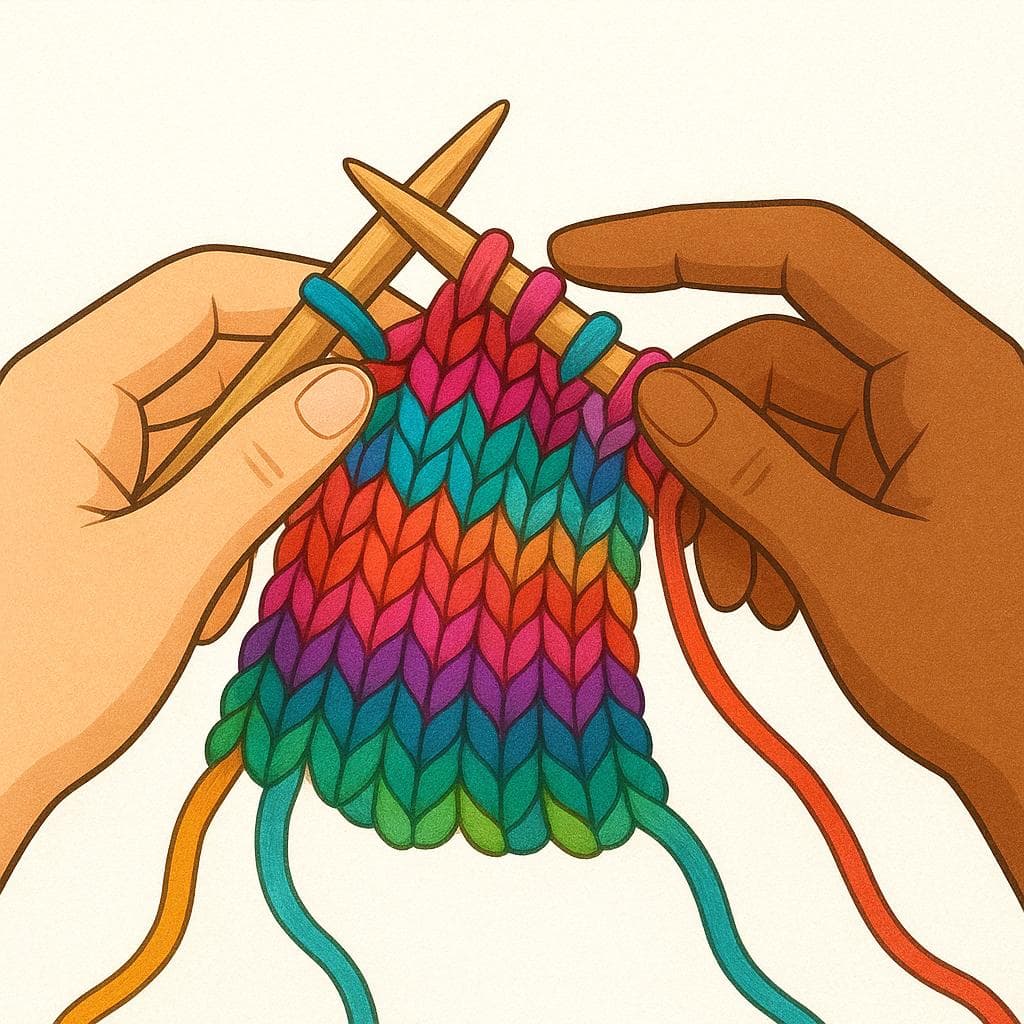
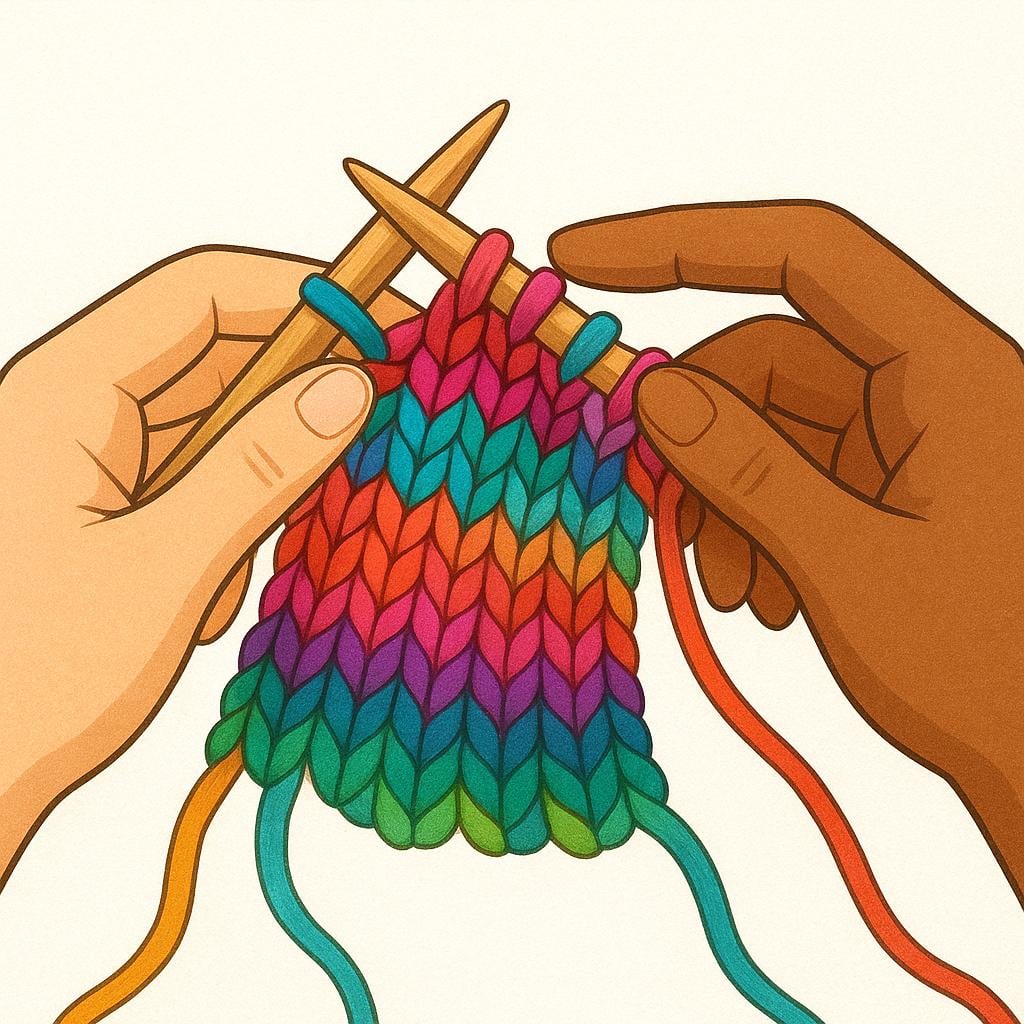
manual, physicalAlso: hand-operated
📝 In Action
El trabajo manual es muy agotador.
A1Manual labor is very exhausting.
Prefiero la transmisión manual en los coches antiguos.
A2I prefer manual transmission in old cars.
Hicimos una limpieza manual de todas las piezas pequeñas.
B1We did a manual cleaning of all the small parts.
Word Connections
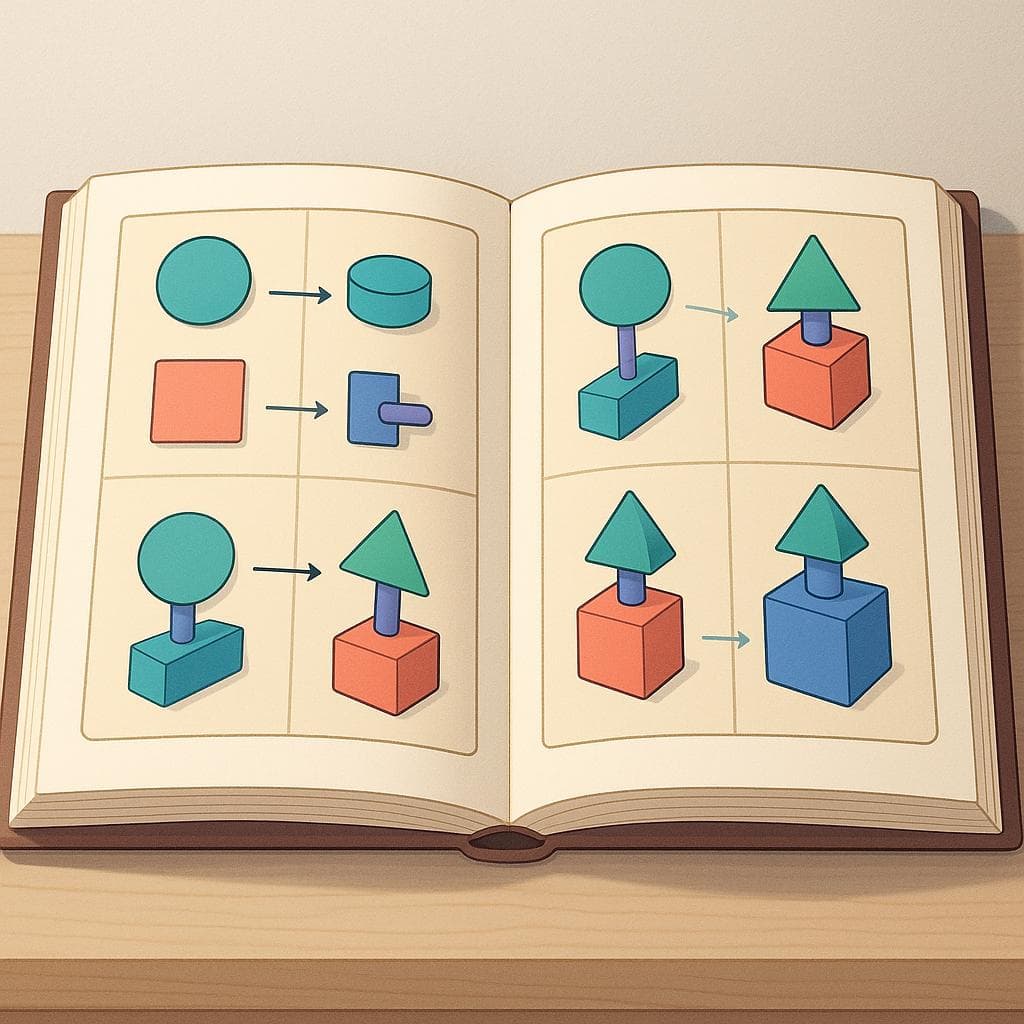
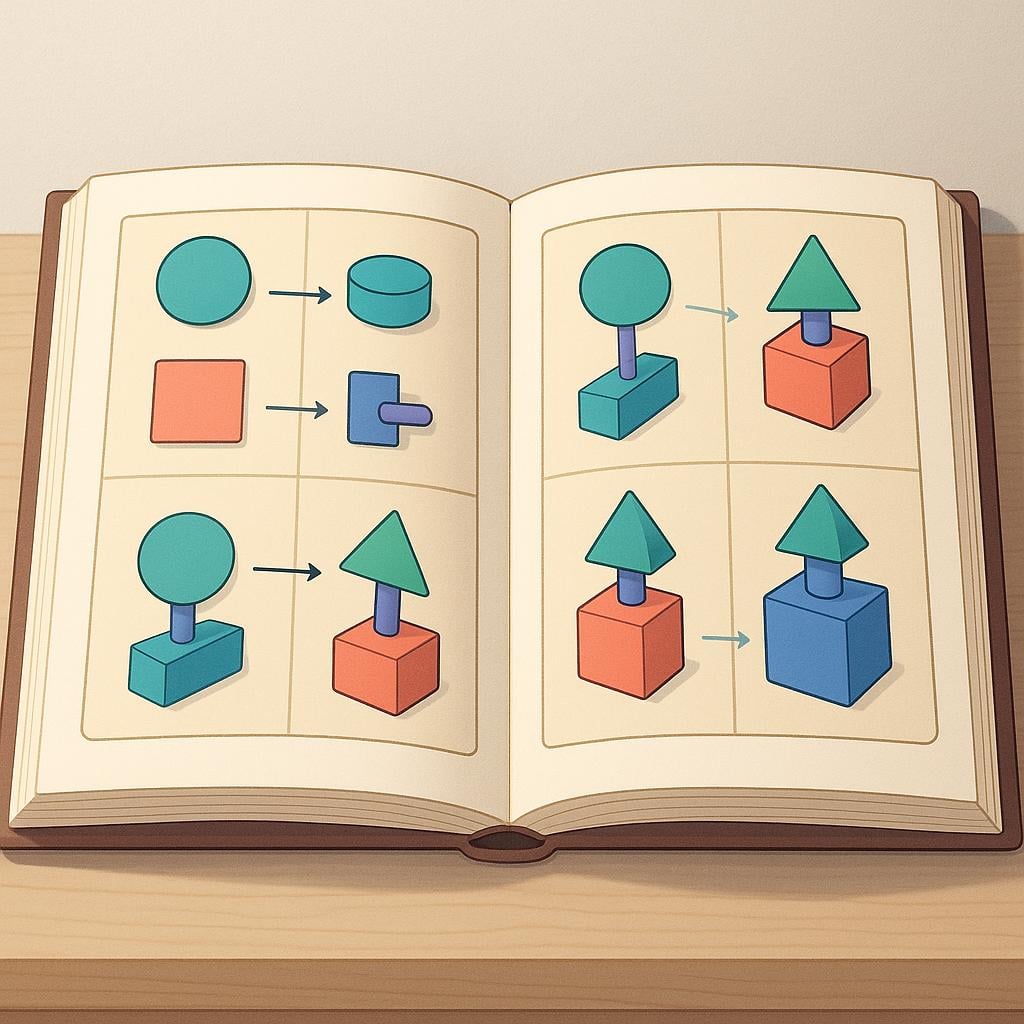
manual, handbookAlso: textbook
📝 In Action
Necesito leer el manual para saber cómo instalar el televisor.
A2I need to read the manual to know how to install the television.
El manual de procedimientos está en la oficina del jefe.
B1The procedure handbook is in the boss's office.
Este es el manual de historia que usaremos en clase.
B2This is the history textbook we will use in class.
Word Connections
Translate to Spanish
Words that translate to "manual" in Spanish:
✏️ Quick Practice
Quick Quiz: manual
Question 1 of 2
Which sentence uses 'manual' as a noun (a book)?
📚 More Resources
👥 Word Family
📚 Etymology
The word comes directly from the Latin *manualis*, meaning 'of the hand.' This is derived from the Latin word for hand, *manus*. Both the adjective (done by hand) and the noun (a book you hold in your hand) share this root.
First recorded: Late Middle Ages
Cognates (Related words)
💡 Master Spanish
Take your Spanish to the next level. Read 200+ illustrated and narrated Spanish stories tailored to your level with the Inklingo app!
Frequently Asked Questions
Why is 'manual' sometimes masculine ('el manual') and sometimes doesn't change gender (like in 'la caja manual')?
When 'manual' is a noun (meaning the book), it is always masculine ('el manual'). When 'manual' is an adjective (describing something), it is invariable—it doesn't change its ending to match masculine or feminine nouns. So, you say 'el trabajo manual' and 'la caja manual'.