maní
“maní” means “peanut” in Spanish (the edible legume seed).
peanut
Also: groundnut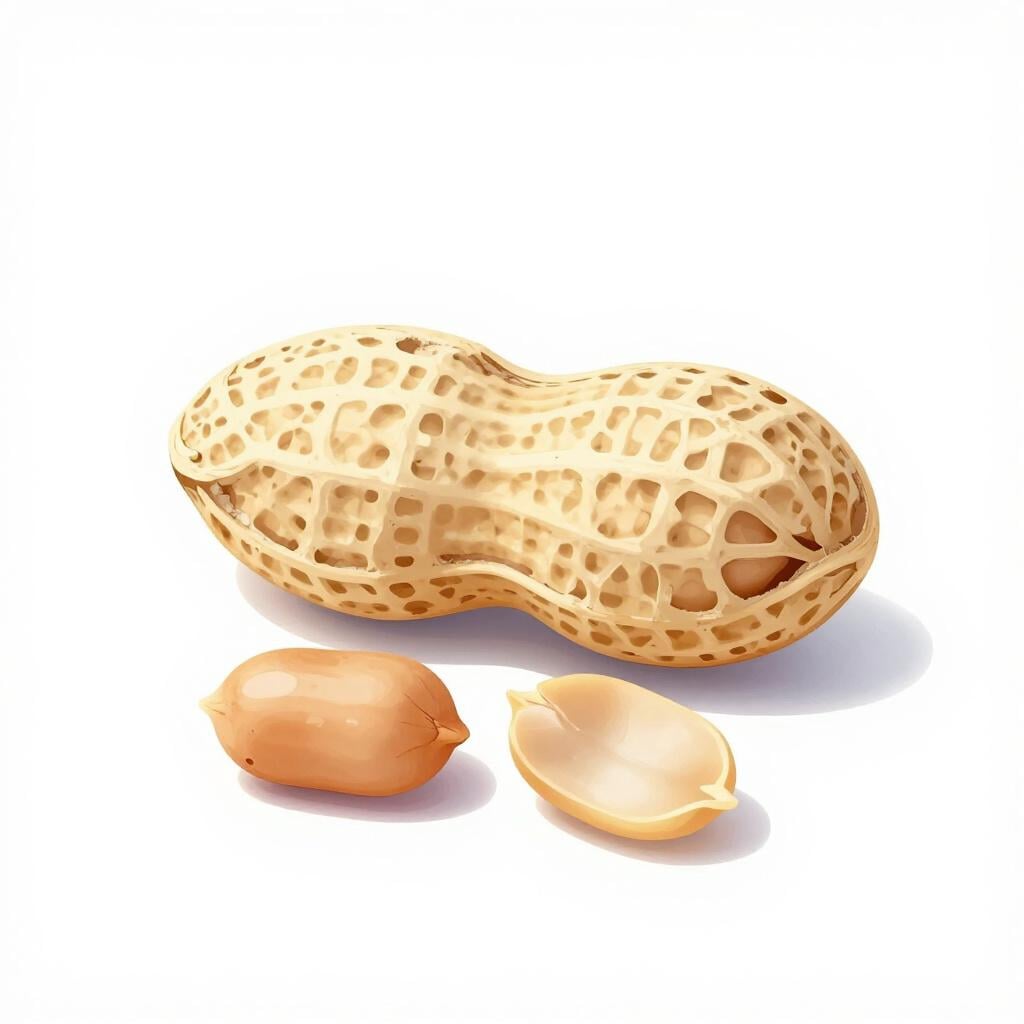
📝 In Action
Me encanta comer maní tostado mientras veo una película.
A1I love eating roasted peanuts while I watch a movie.
La mantequilla de maní es muy popular en los desayunos.
A2Peanut butter is very popular for breakfast.
¿Este pastel tiene maní? Soy alérgico.
A1Does this cake have peanuts? I'm allergic.
Translate to Spanish
Words that translate to "maní" in Spanish:
groundnut→✏️ Quick Practice
Quick Quiz: maní
Question 1 of 2
If you are in Argentina and want to buy peanut butter, what should you ask for?
📚 More Resources
👥 Word Family▼
🎵 Rhymes▼
📚 Etymology▼
Comes from the Taíno language (an indigenous language of the Caribbean) and was adopted by Spanish explorers in the 16th century.
First recorded: 16th century
💡 Master Spanish
Take your Spanish to the next level. Read 200+ illustrated and narrated Spanish stories tailored to your level with the Inklingo app!
Frequently Asked Questions
Is 'maní' a nut?
Botanically, it is a legume (like beans), but in everyday Spanish and cooking, it is treated and referred to as a 'fruto seco' (dried fruit/nut).
Is it 'el maní' or 'la maní'?
It is always masculine: 'el maní'.