maravillas
“maravillas” means “wonders” in Spanish. It has 2 different meanings depending on context:


wonders, marvelsAlso: amazing things, beauties

📝 In Action
Las siete maravillas del mundo antiguo son fascinantes.
A2The seven wonders of the ancient world are fascinating.
Este jardín está lleno de maravillas que nunca había visto.
B1This garden is full of wonders that I had never seen.
Word Connections
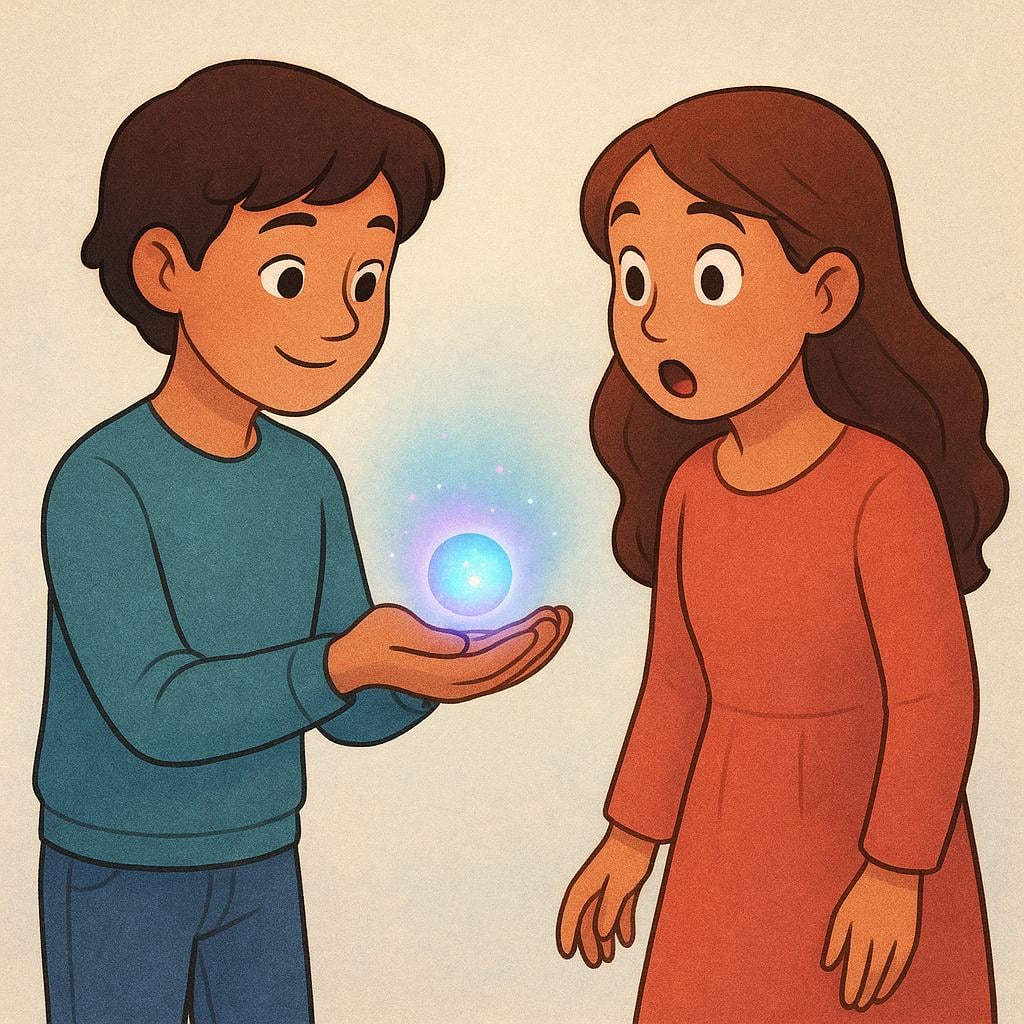
you amaze, you marvel
📝 In Action
Tú siempre me maravillas con tus ideas originales.
B1You always amaze me with your original ideas.
¿Con qué cosas te maravillas cuando viajas?
B2What things do you marvel at when you travel?
Indicative
Present
Imperfect
Preterite
Subjunctive
Present Subjunctive
Imperfect Subjunctive
Translate to Spanish
Words that translate to "maravillas" in Spanish:
✏️ Quick Practice
Quick Quiz: maravillas
Question 1 of 1
Which sentence uses 'maravillas' as a verb?
📚 More Resources
👥 Word Family
📚 Etymology
Comes from the Latin word *mirabilia*, which meant 'admirable things' or 'things to be wondered at.' It has always carried the meaning of astonishment and admiration.
First recorded: 13th century
Cognates (Related words)
💡 Master Spanish
Take your Spanish to the next level. Read 200+ illustrated and narrated Spanish stories tailored to your level with the Inklingo app!
Frequently Asked Questions
How do I say 'wonderful' or 'amazing' using this word family?
You should use the adjective 'maravilloso' (or 'maravillosa' for feminine nouns). For example, 'una vista maravillosa' (a wonderful view).
Is 'maravillas' always feminine?
Yes, when used as a noun meaning 'wonders,' it is always feminine and plural, requiring feminine articles like 'las' (las maravillas).