margarita
“margarita” means “daisy” in Spanish. It has 2 different meanings depending on context:

daisy
Also: pearl
📝 In Action
Ella deshojó la margarita mientras decía: 'Me quiere, no me quiere'.
A2She plucked the petals off the daisy while saying: 'He loves me, he loves me not'.
El campo está lleno de margaritas blancas en primavera.
A1The field is full of white daisies in spring.
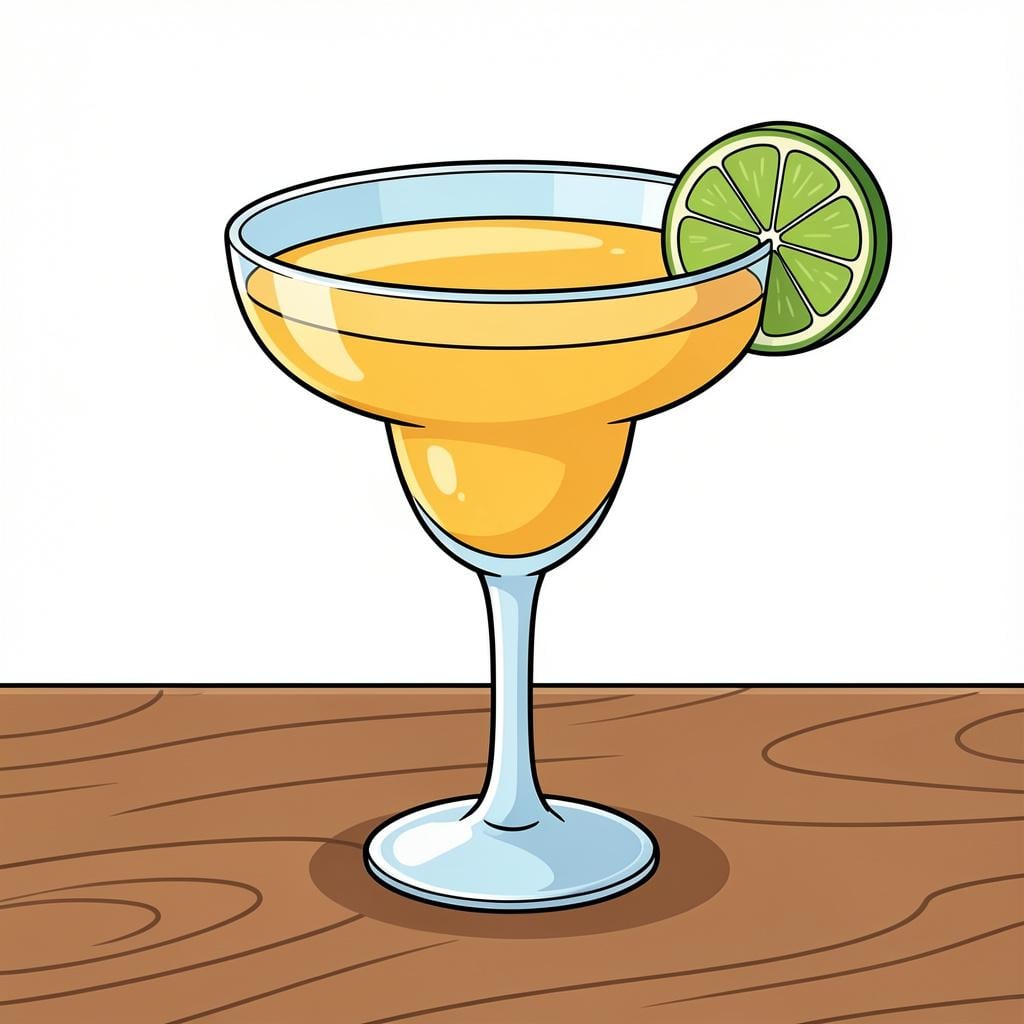
margarita
📝 In Action
Quisiera una margarita con mucha sal y hielo, por favor.
A2I would like a margarita with lots of salt and ice, please.
¿Prefieres la margarita de limón o de fresa?
B1Do you prefer the lemon or strawberry margarita?
Translate to Spanish
✏️ Quick Practice
Quick Quiz: margarita
Question 1 of 2
What does the idiom 'deshojar la margarita' mean when used figuratively?
📚 More Resources
👥 Word Family▼
📚 Etymology▼
Comes from the Greek word 'margaritēs', which means 'pearl'. It traveled through Latin as 'margarita' before becoming the Spanish word we use today for the flower.
First recorded: 13th century
Cognates (Related words)
💡 Master Spanish
Take your Spanish to the next level. Read 200+ illustrated and narrated Spanish stories tailored to your level with the Inklingo app!
Frequently Asked Questions
Does 'margarita' always mean a flower?
No, it is also the name of a popular tequila cocktail and a very common woman's name in Spanish-speaking countries.
Why does it mean 'pearl' in some old books?
The word originally comes from a Greek word for pearl. Over time, it became the name for the daisy flower because of its white, pearl-like appearance, but the 'pearl' meaning is now mostly found in old literature.