marrón
“marrón” means “brown” in Spanish. It has 2 different meanings depending on context:

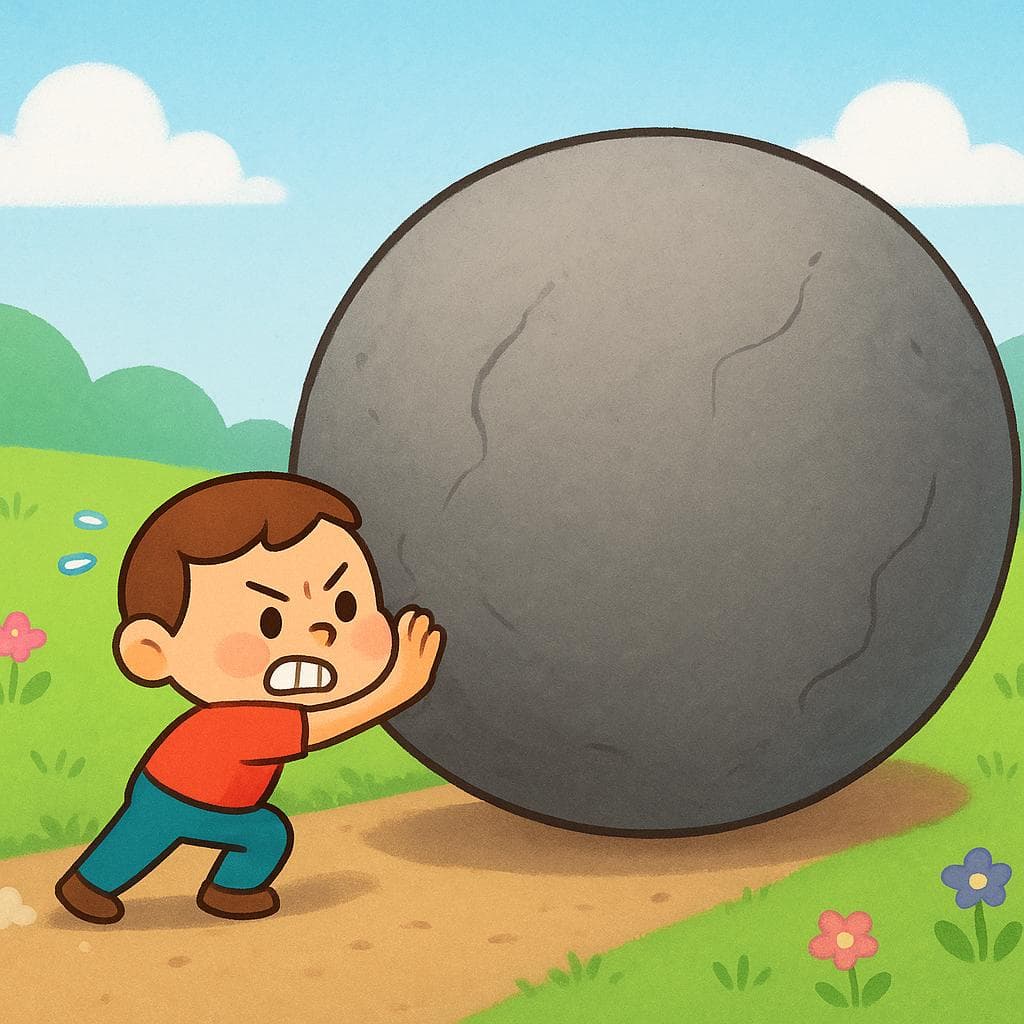
brown
Also: tan, chestnut
📝 In Action
Mi perro tiene el pelo marrón y blanco.
A1My dog has brown and white fur.
Compramos unos zapatos marrones muy cómodos.
A2We bought some very comfortable brown shoes.
Me gusta más el abrigo marrón que el negro.
A1I like the brown coat more than the black one.
problem, mess
Also: headache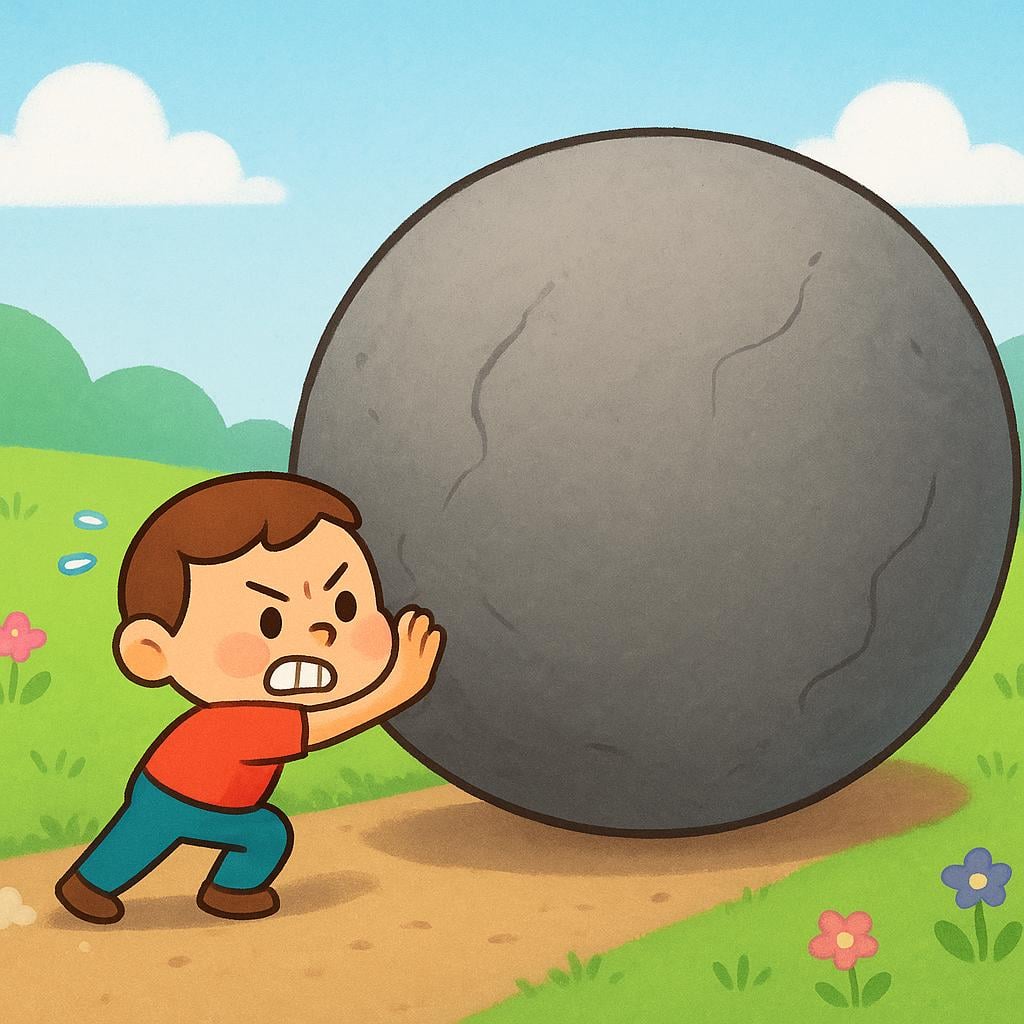
📝 In Action
Me ha tocado el marrón de limpiar la cocina después de la fiesta.
B2I got stuck with the messy job of cleaning the kitchen after the party.
¡Qué marrón que no tengamos entradas!
C1What a hassle that we don't have tickets!
Vocabulary Collections
Translate to Spanish
✏️ Quick Practice
Quick Quiz: marrón
Question 1 of 2
Which sentence correctly uses *marrón* as an adjective?
📚 More Resources
👥 Word Family▼
🎵 Rhymes▼
📚 Etymology▼
The word comes from the French word *marron*, which means 'chestnut.' Since chestnuts are brown, the name of the fruit became the name of the color.
First recorded: 18th century (in Spanish)
Cognates (Related words)
💡 Master Spanish
Take your Spanish to the next level. Read 200+ illustrated and narrated Spanish stories tailored to your level with the Inklingo app!
Frequently Asked Questions
Does *marrón* ever change its ending?
Yes, but only for number, not gender. You use *marrón* for singular things (like *un coche marrón*) and *marrones* for plural things (like *dos coches marrones*). It never becomes *marrona*.
Is *marrón* the only word for 'brown'?
No. *Marrón* is very common in Spain. In many parts of Latin America, you will hear *café* (coffee) or *pardo* (often used for dull or grayish browns) instead.