marte
“marte” means “Mars” in Spanish. It has 2 different meanings depending on context:
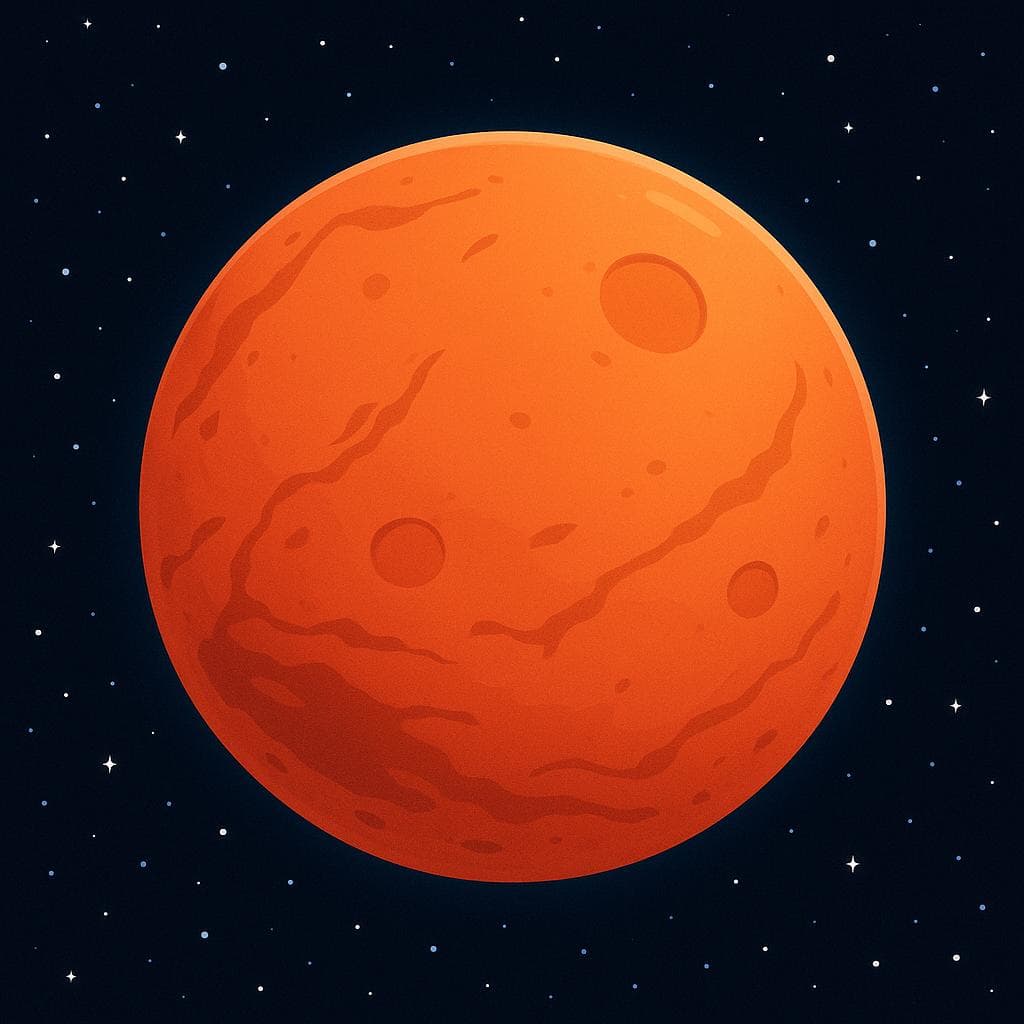
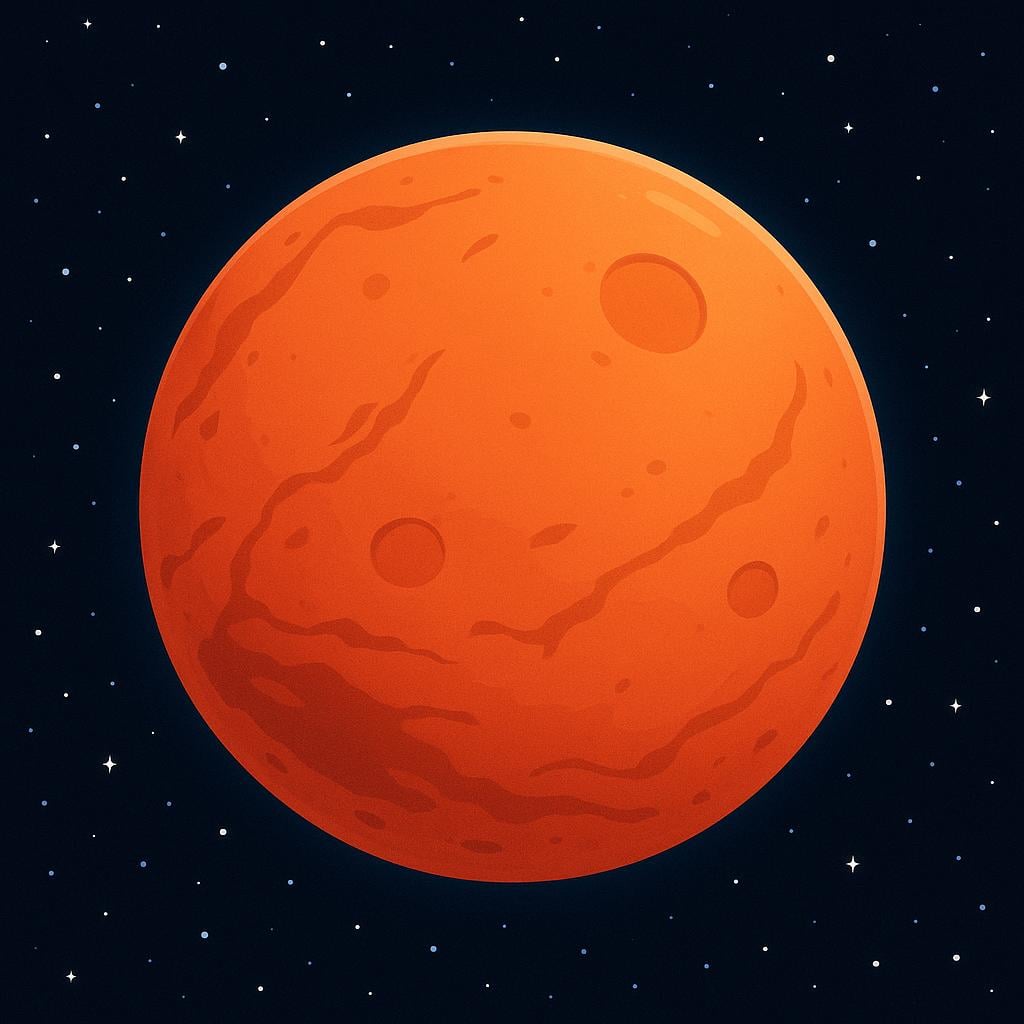
Mars
📝 In Action
Marte es el cuarto planeta del sistema solar.
A2Mars is the fourth planet in the solar system.
Se enviaron varios robots para explorar la superficie de Marte.
B1Several robots were sent to explore the surface of Mars.
Mars
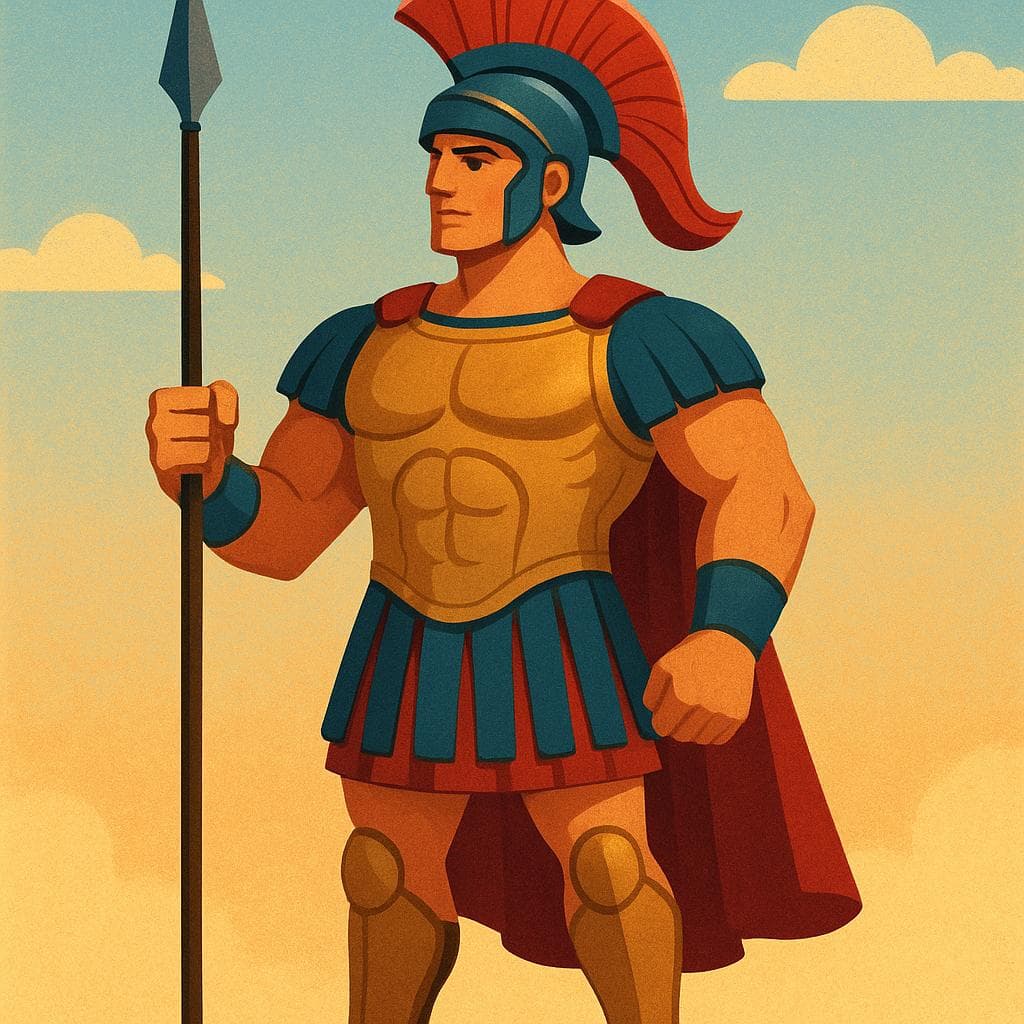
Also: Ares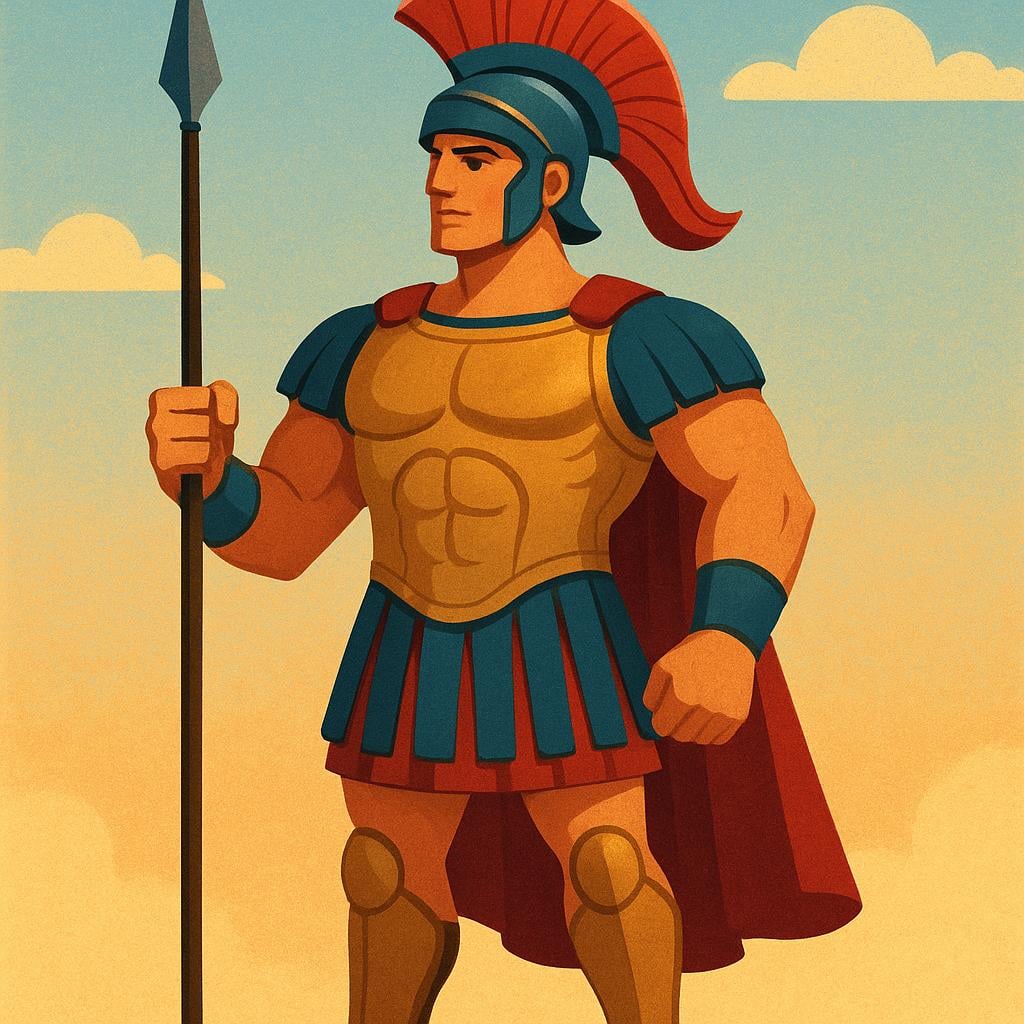
📝 In Action
Marte era una deidad muy importante para los antiguos romanos.
B2Mars was a very important deity for the ancient Romans.
El templo de Marte se alzaba en el centro de la ciudad.
C1The temple of Mars stood in the center of the city.
✏️ Quick Practice
Quick Quiz: marte
Question 1 of 1
Which statement about the word 'marte' is true?
📚 More Resources
📚 Etymology▼
The word comes directly from the Latin name *Mars* (genitive *Martis*), the Roman God of War. The planet was named after the god, likely due to its reddish color resembling blood.
First recorded: Ancient Roman times (adopted into Spanish during the formation of Romance languages)
Cognates (Related words)
💡 Master Spanish
Take your Spanish to the next level. Read 200+ illustrated and narrated Spanish stories tailored to your level with the Inklingo app!
Frequently Asked Questions
What is the difference between 'Marte' and 'martes'?
'Marte' (capital M) is a proper noun referring to the planet or the mythological god. 'martes' (lowercase m) is the common noun for Tuesday. Tuesday is named after Mars, which is why the words look similar.
Is 'Marte' masculine or feminine?
It is always masculine. You must use the article 'el' (el planeta Marte).