martillo
“martillo” means “hammer” in Spanish. It has 2 different meanings depending on context:
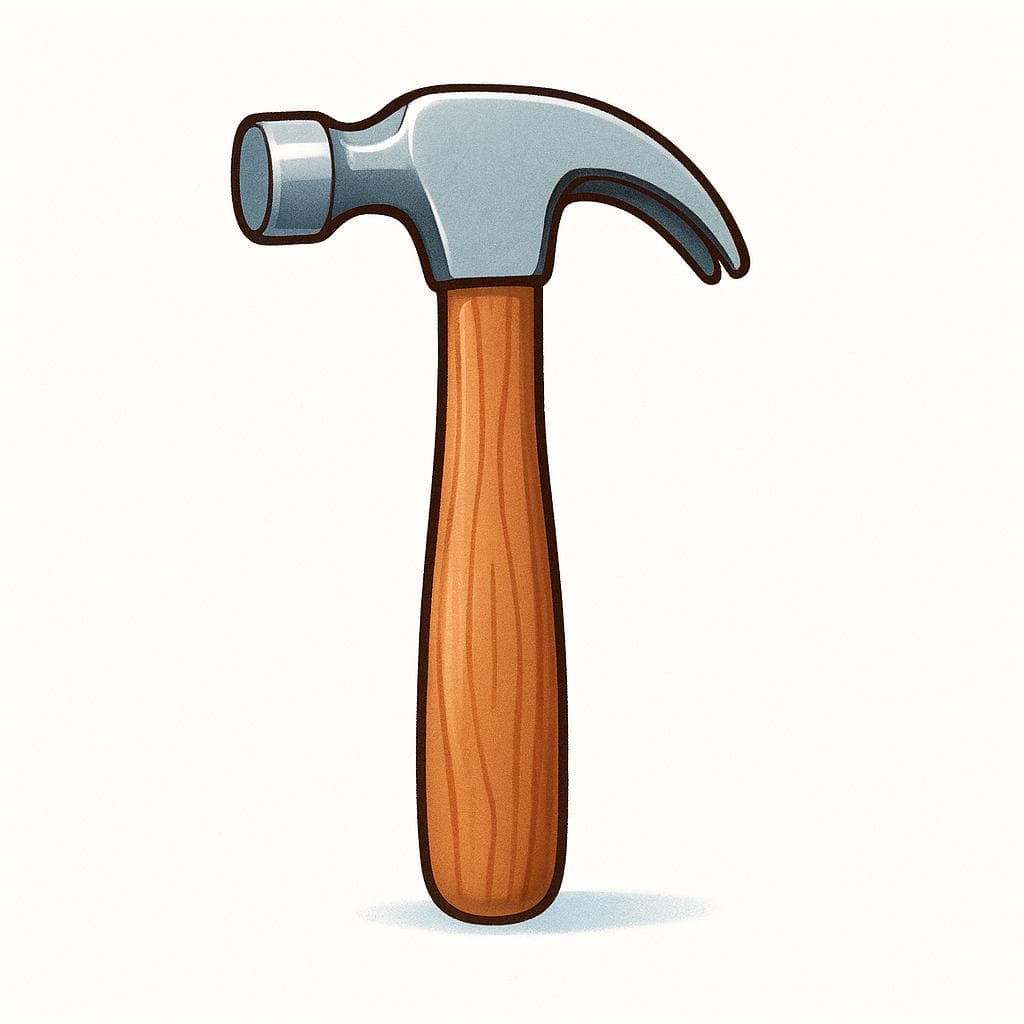
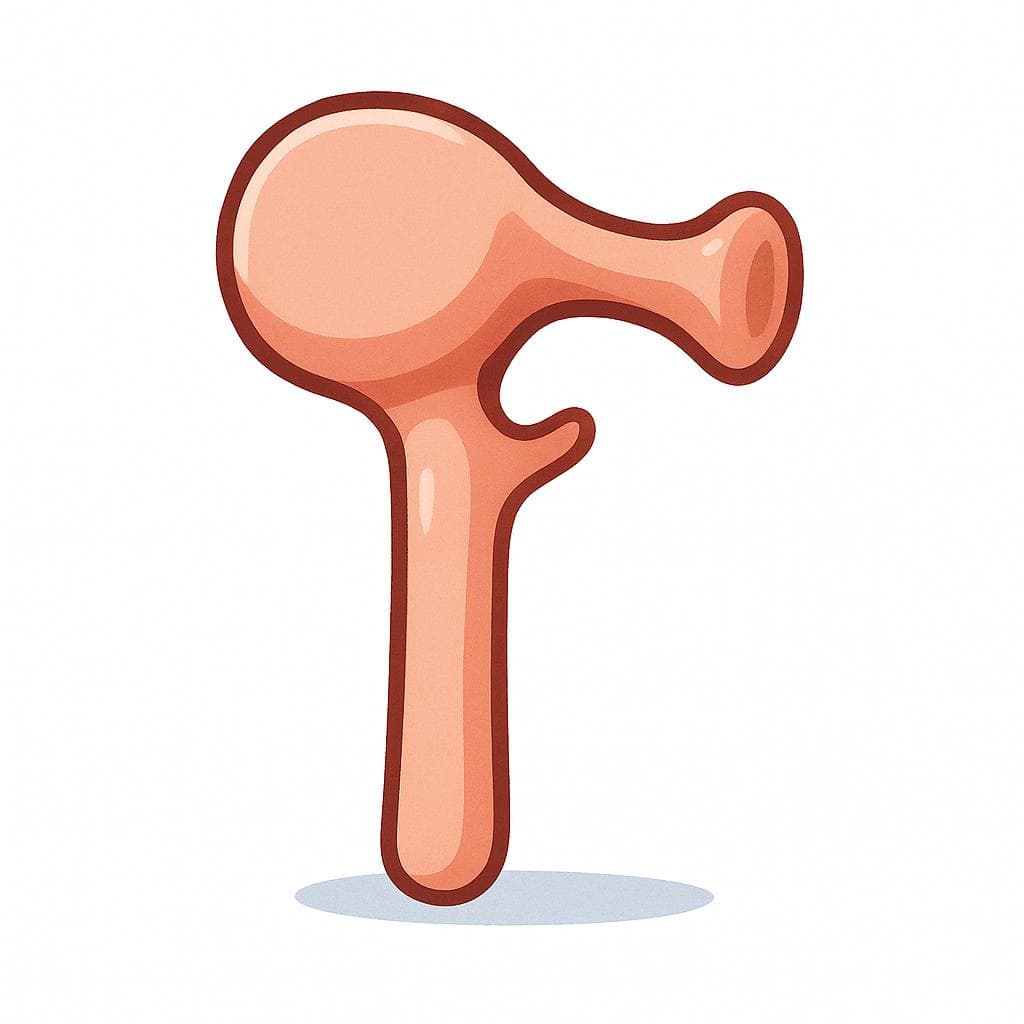
hammer
Also: mallet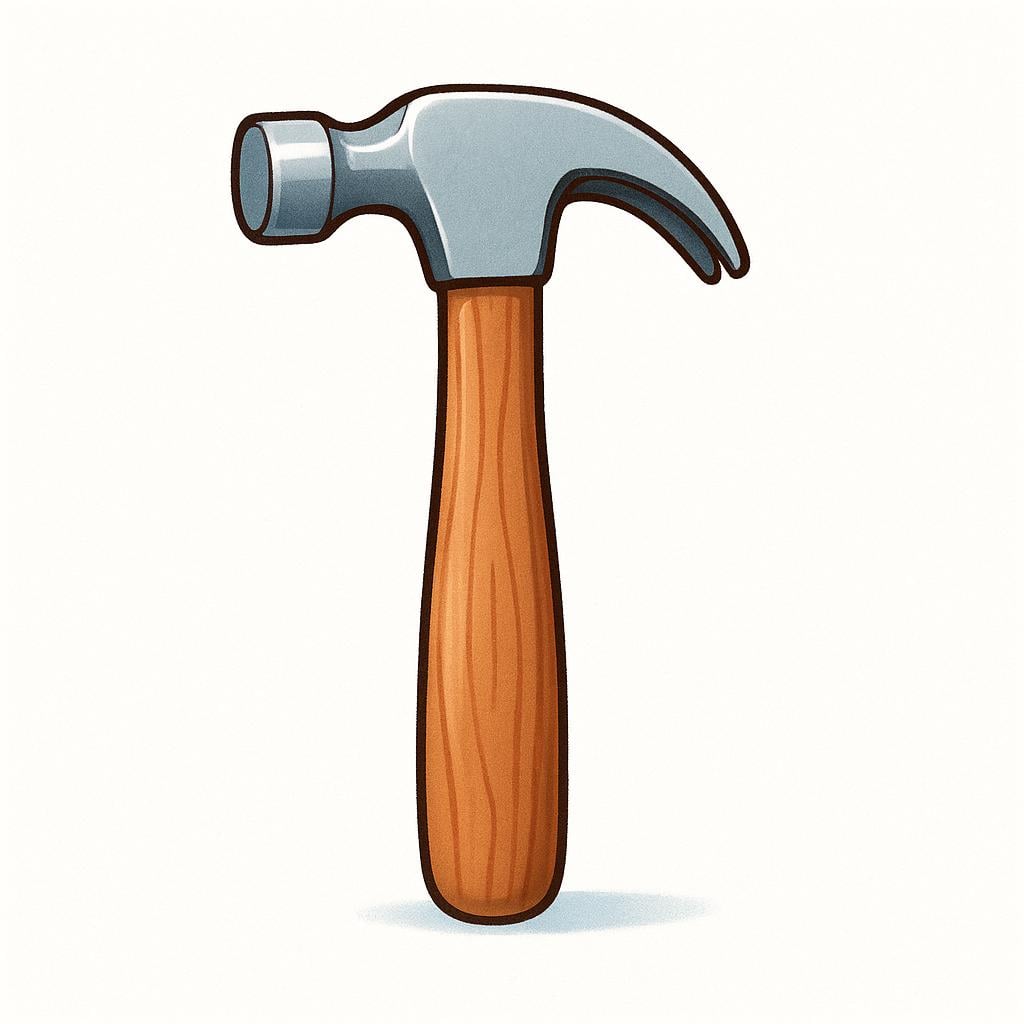
📝 In Action
Pásame el martillo, por favor. Quiero colgar este cuadro.
A1Pass me the hammer, please. I want to hang this picture.
El carpintero golpeó la madera con fuerza con su martillo.
A2The carpenter struck the wood hard with his hammer.
Necesitas un martillo pequeño para trabajar en joyería.
B1You need a small hammer to work in jewelry.
malleus
Also: hammer
📝 In Action
El martillo es uno de los tres pequeños huesos del oído medio.
B2The malleus is one of the three small bones in the middle ear.
El lanzamiento de martillo es una prueba olímpica de atletismo.
C1The hammer throw is an Olympic athletics event.
✏️ Quick Practice
Quick Quiz: martillo
Question 1 of 2
Which sentence uses 'martillo' in a specialized, non-tool context?
📚 More Resources
👥 Word Family▼
📚 Etymology▼
Comes from the Latin word *martellus*, which also meant 'hammer' or 'mallet.' It has been in use in Spanish since the Middle Ages, referring to the essential tool.
First recorded: 13th century
Cognates (Related words)
💡 Master Spanish
Take your Spanish to the next level. Read 200+ illustrated and narrated Spanish stories tailored to your level with the Inklingo app!
Frequently Asked Questions
Is 'martillo' used in any common Spanish idioms?
While less common today, 'estar a martillo y clavo' (to be at hammer and nail) is an old-fashioned way of saying something is 'under construction' or 'being built.' The derived noun 'martillazo' (a blow) is frequently used.
If I want to say 'sledgehammer,' should I still use 'martillo'?
No. While 'martillo' is the general word for hammer, for a large, heavy sledgehammer, Spanish speakers typically use 'mazo' or 'almádena' to distinguish the size and purpose.