mataría
“mataría” means “would kill” in Spanish. It has 2 different meanings depending on context:

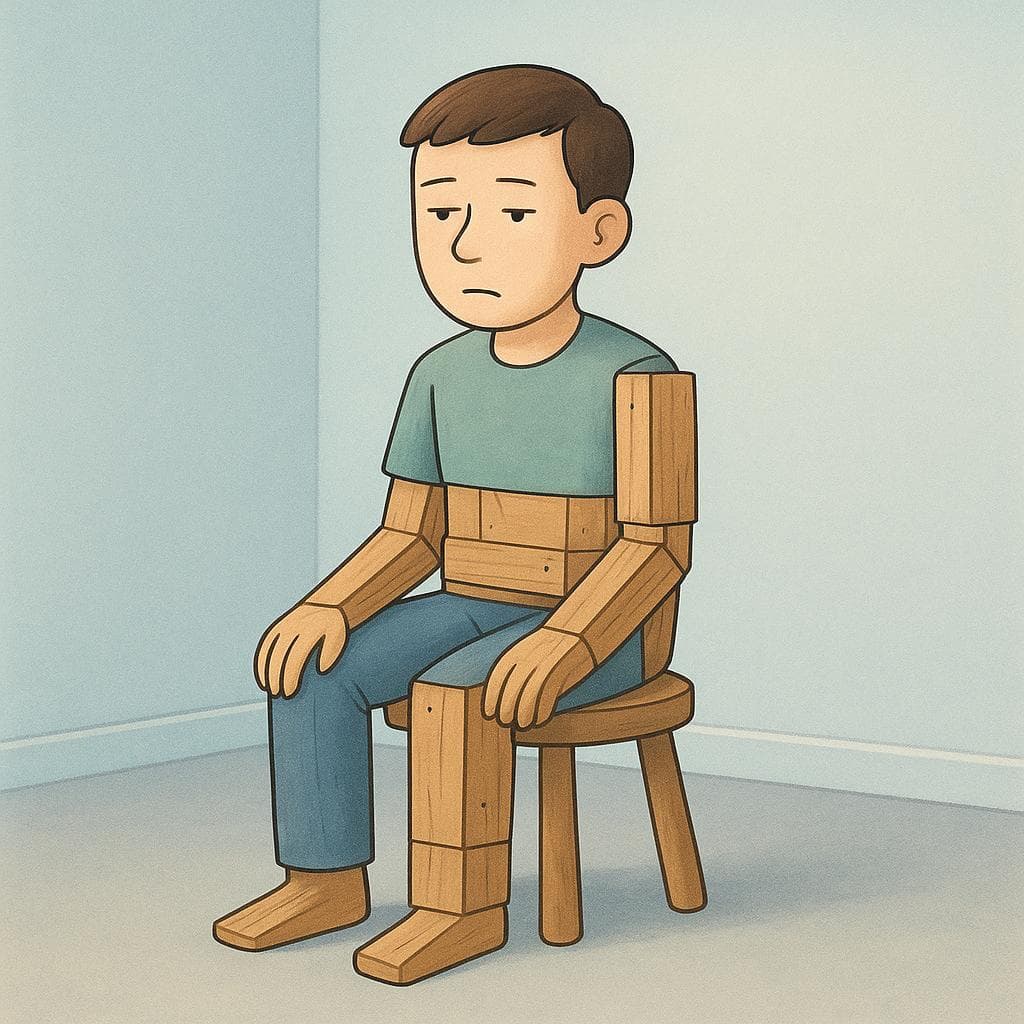
would kill
Also: would murder
📝 In Action
Yo nunca mataría un animal por deporte.
B1I would never kill an animal for sport.
Él dice que mataría por un pedazo de ese pastel.
B2He says he would kill for a piece of that cake. (Figurative exaggeration)
Si ella viniera, ¿él la mataría?
B1If she came, would he kill her?
would bore me stiff
Also: would be exhausting, would hurt intensely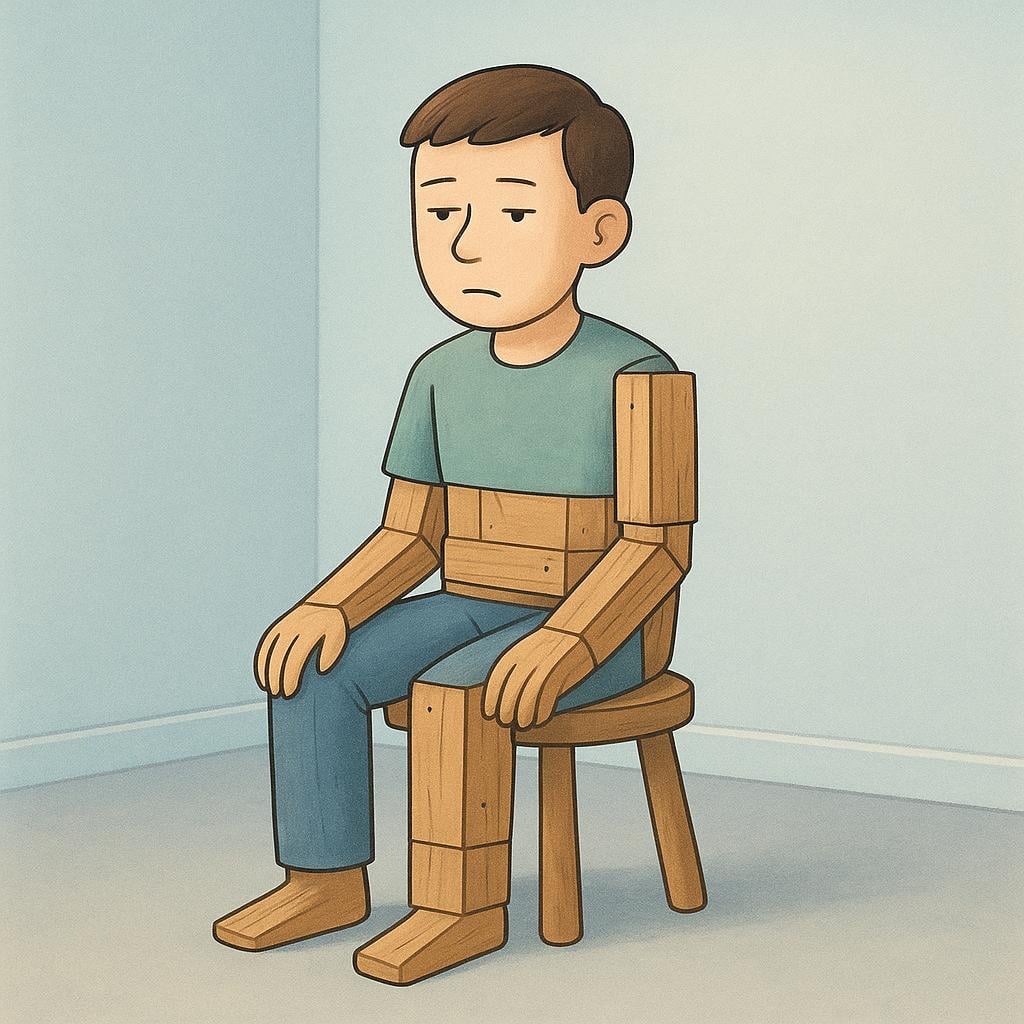
📝 In Action
Esa película me mataría de sueño.
B2That movie would bore me to death (make me extremely sleepy).
Un viaje tan largo me mataría, prefiero quedarme en casa.
B2Such a long trip would exhaust me completely; I prefer to stay home.
🔄 Conjugations
indicative
present
imperfect
preterite
subjunctive
present
imperfect
Translate to Spanish
✏️ Quick Practice
Quick Quiz: mataría
Question 1 of 1
Which sentence uses 'mataría' in the figurative sense of extreme boredom or pain?
📚 More Resources
👥 Word Family▼
🎵 Rhymes▼
📚 Etymology▼
The verb 'matar' comes from the Late Latin word 'mattare,' which originally meant 'to checkmate' (in chess) or 'to defeat.' Over time, the meaning shifted from defeating an opponent to causing death.
First recorded: 13th century
Cognates (Related words)
💡 Master Spanish
Take your Spanish to the next level. Read 200+ illustrated and narrated Spanish stories tailored to your level with the Inklingo app!
Frequently Asked Questions
What is the difference between 'mataría' and 'mató'?
'Mató' is the past action: 'He/she killed' (a finished event). 'Mataría' is hypothetical: 'He/she would kill' (an imagined event depending on a condition). The '-ría' ending always signals 'would'.
Does 'mataría' always refer to 'I' or 'he/she'?
Yes. 'Mataría' can be 'Yo' (I), 'Él/Ella' (He/She/It), or 'Usted' (formal You). You must look at the subject (or implied subject) of the sentence to know who is performing the action.