metro
“metro” means “meter” in Spanish. It has 2 different meanings depending on context:
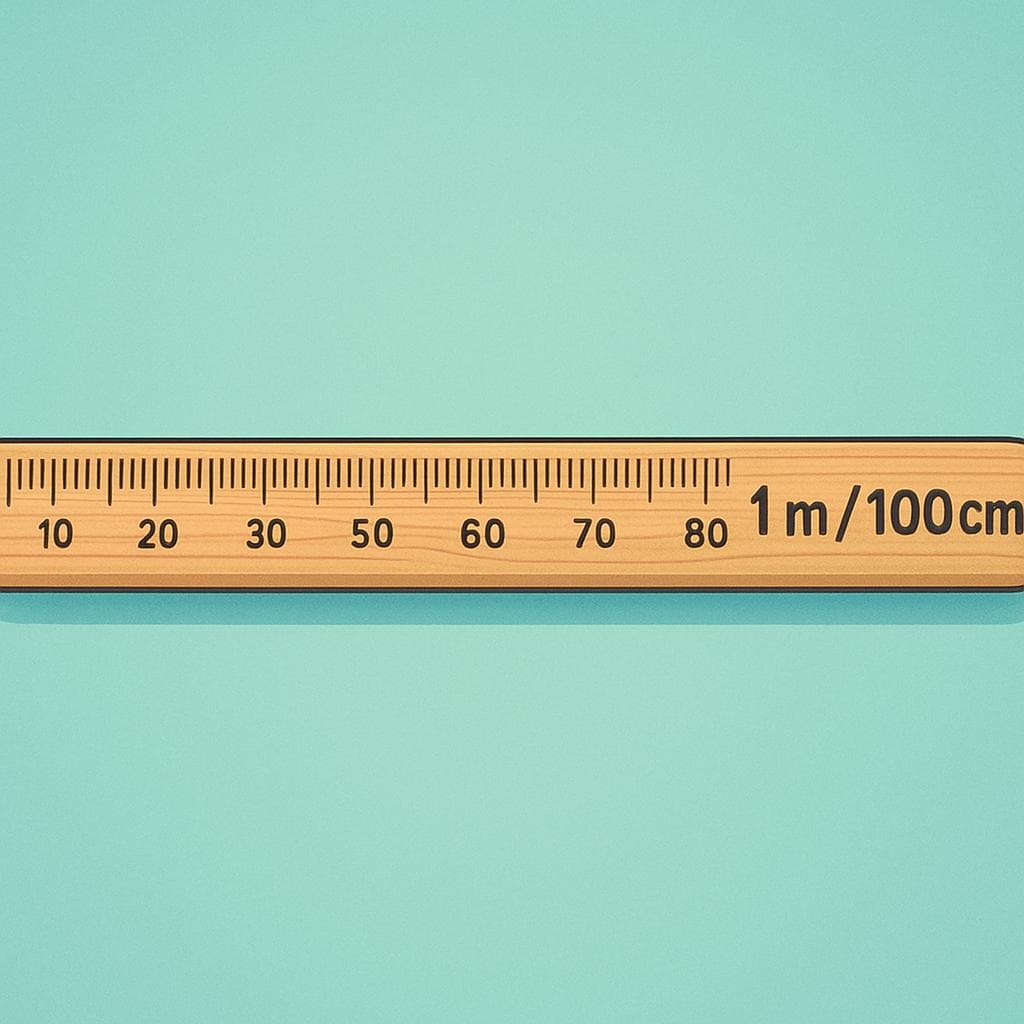

meter, metre
Also: measuring tape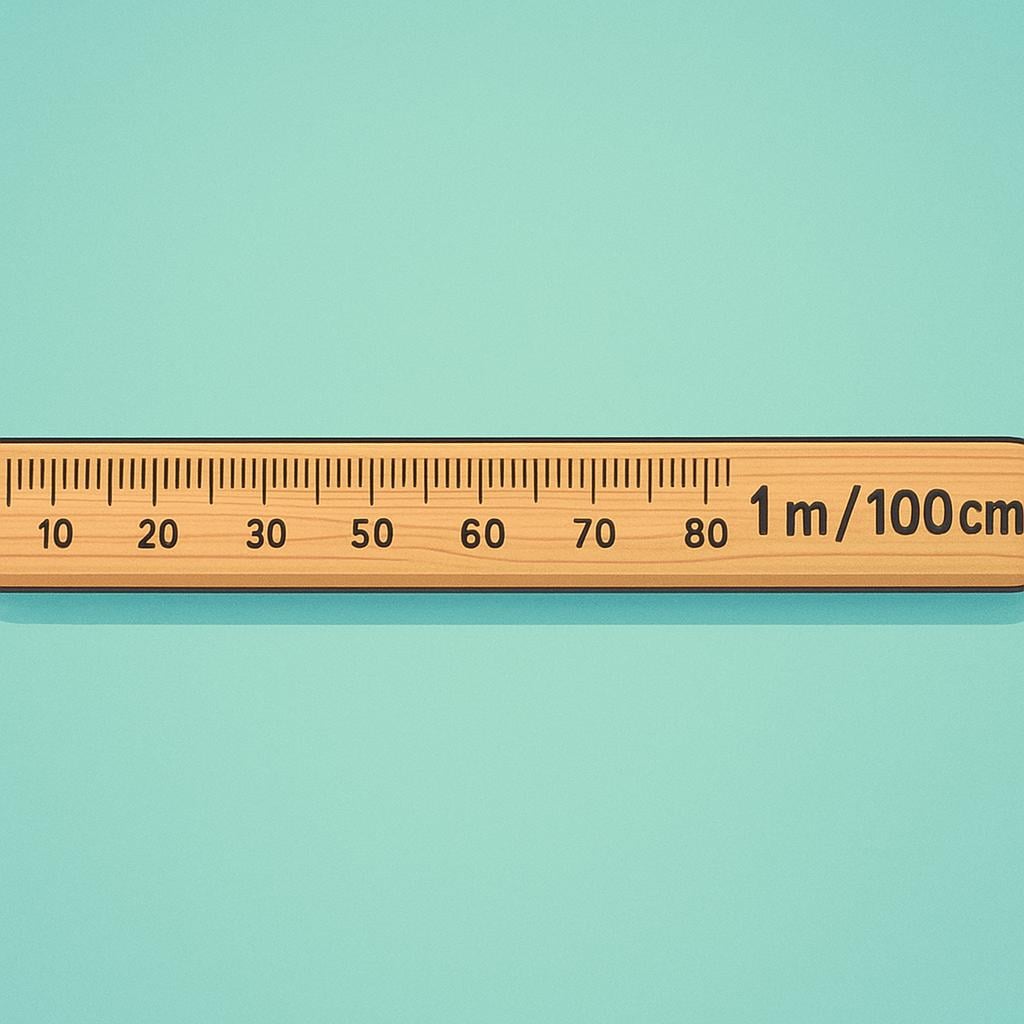
📝 In Action
Necesito un metro de cuerda roja.
A1I need one meter of red rope.
Mi habitación mide tres metros de ancho.
A1My room is three meters wide.
La piscina tiene 25 metros de largo.
A2The pool is 25 meters long.
subway, underground
Also: metro
📝 In Action
¿Dónde está la parada de metro más cercana?
A2Where is the nearest subway stop?
Es más rápido ir en metro que en autobús.
A2It's faster to go by subway than by bus.
Toma la línea azul del metro hasta la estación central.
B1Take the blue subway line to the central station.
Translate to Spanish
✏️ Quick Practice
Quick Quiz: metro
Question 1 of 2
Which sentence uses 'metro' to talk about distance?
📚 More Resources
👥 Word Family▼
📚 Etymology▼
The word comes directly from the Greek word *métron*, meaning 'measure' or 'rule.' This root explains both meanings: the unit of measurement is literally 'a measure,' and the transportation system is a shortened form of 'Ferrocarril Metropolitano' (Metropolitan Railway), referring to a railway that serves a large, measured city area.
First recorded: Mid-19th century (in the context of the unit of measure)
Cognates (Related words)
💡 Master Spanish
Take your Spanish to the next level. Read 200+ illustrated and narrated Spanish stories tailored to your level with the Inklingo app!
Frequently Asked Questions
How can I tell if 'metro' means 'subway' or 'meter'?
Context is everything! If you are talking about travel, stations, or tickets, it means 'subway.' If you are talking about size, length, or height, it means 'meter' (the measurement).
Why is the underground rail system called 'metro'?
It is a short version of 'Ferrocarril Metropolitano' (Metropolitan Railway). 'Metropolitano' means 'belonging to a large city,' linking back to the original Greek root of 'measure' and 'city.'