mil
“mil” means “thousand” in Spanish. It has 2 different meanings depending on context:

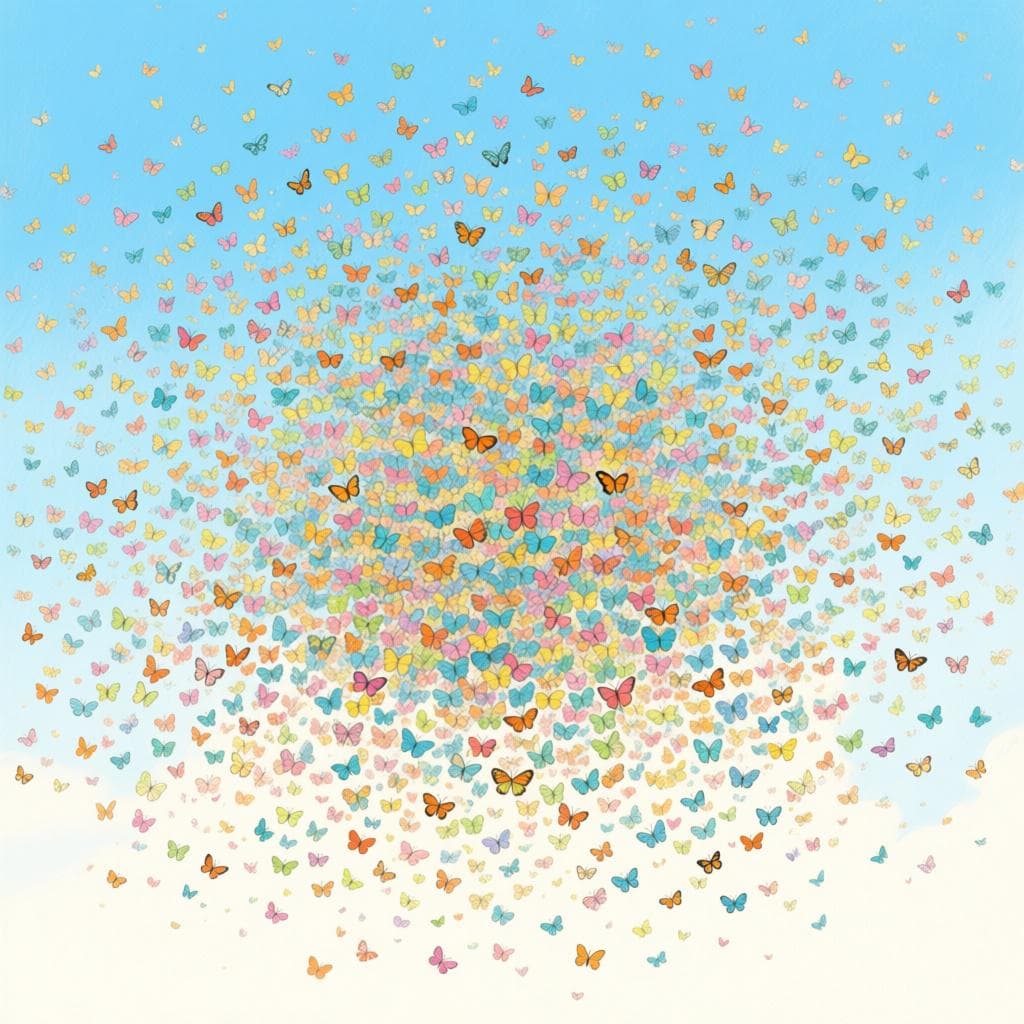
thousand, one thousand

📝 In Action
Este teléfono cuesta mil euros.
A1This phone costs a thousand euros.
La ciudad fue fundada en el año mil novecientos.
A2The city was founded in the year nineteen hundred.
Necesito dos mil dólares para el viaje.
A1I need two thousand dollars for the trip.
Word Connections
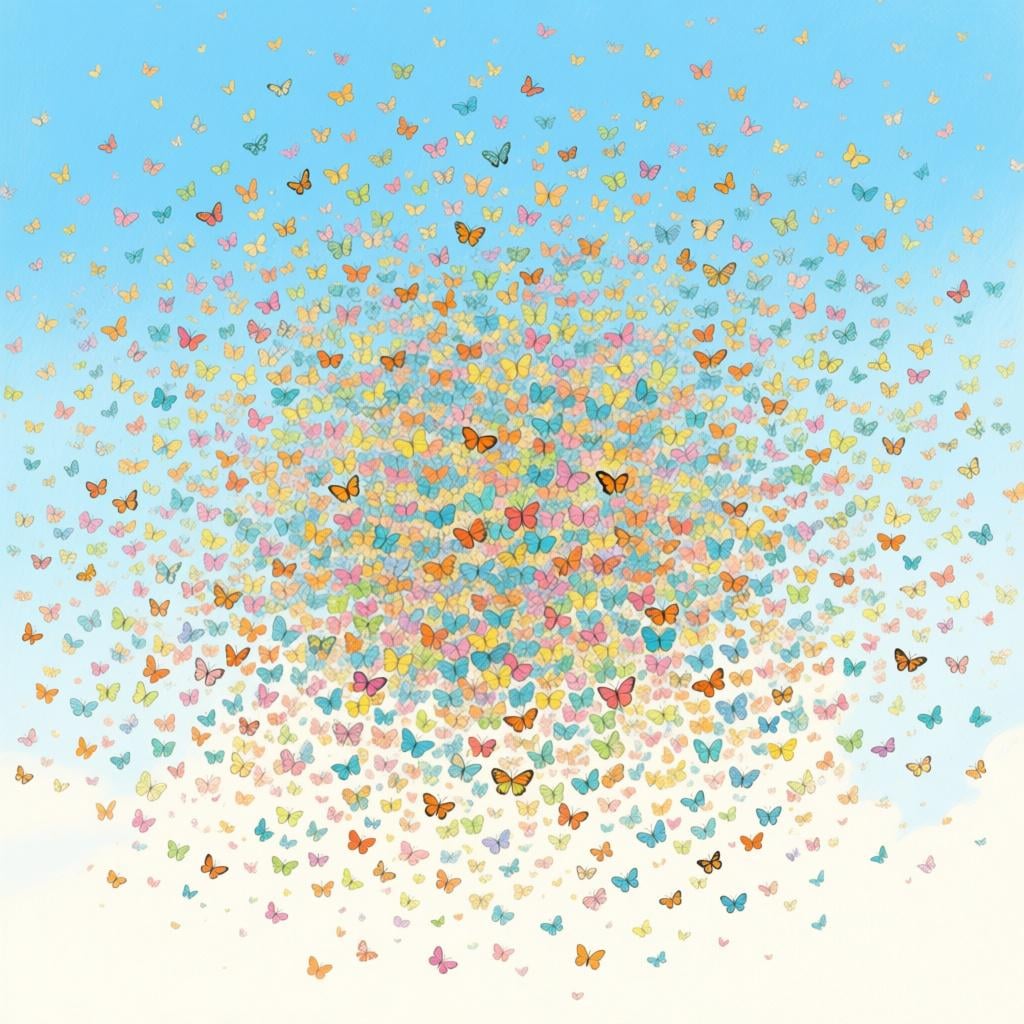
thousandsAlso: a ton, loads
📝 In Action
Hay miles de personas en la playa.
A2There are thousands of people on the beach.
Te lo he dicho mil veces: ¡limpia tu cuarto!
B1I've told you a thousand times: clean your room!
¡Mil gracias por tu ayuda!
A2A thousand thanks for your help!
Word Connections
Translate to Spanish
Words that translate to "mil" in Spanish:
✏️ Quick Practice
Quick Quiz: mil
Question 1 of 1
Which sentence uses 'mil' to mean 'a very large number' for exaggeration, not exactly 1,000?
📚 More Resources
👥 Word Family
📚 Etymology
Comes directly from the Latin word 'mille', which also meant 'thousand'. The English word 'mile' is a cousin; it came from 'mille passus', meaning 'a thousand paces' in Latin.
First recorded: Around the 10th century
Cognates (Related words)
💡 Master Spanish
Take your Spanish to the next level. Read 200+ illustrated and narrated Spanish stories tailored to your level with the Inklingo app!
Frequently Asked Questions
Should I say 'un mil' or just 'mil' for the number 1,000?
Just say 'mil'. Unlike other numbers, you don't put 'un' (one) in front of it. For example, 'mil personas' (a thousand people).
How do I say 2,000 or 50,000? Does 'mil' change?
The word 'mil' itself doesn't change. You just put the number before it: 'dos mil' (2,000), 'cinco mil' (5,000), 'cincuenta mil' (50,000). It's simpler than in English where you have to add an 's'!
What's the difference between 'mil' and 'miles'?
'Mil' is used for the exact number 1,000 ('mil euros') or with other numbers ('dos mil euros'). 'Miles' (plural) is used to mean 'thousands of' in a general sense, like 'miles de personas' (thousands of people).