milord
“milord” means “my lord” in Spanish (as a title or form of address for an English nobleman).
my lord
Also: English gentleman, milord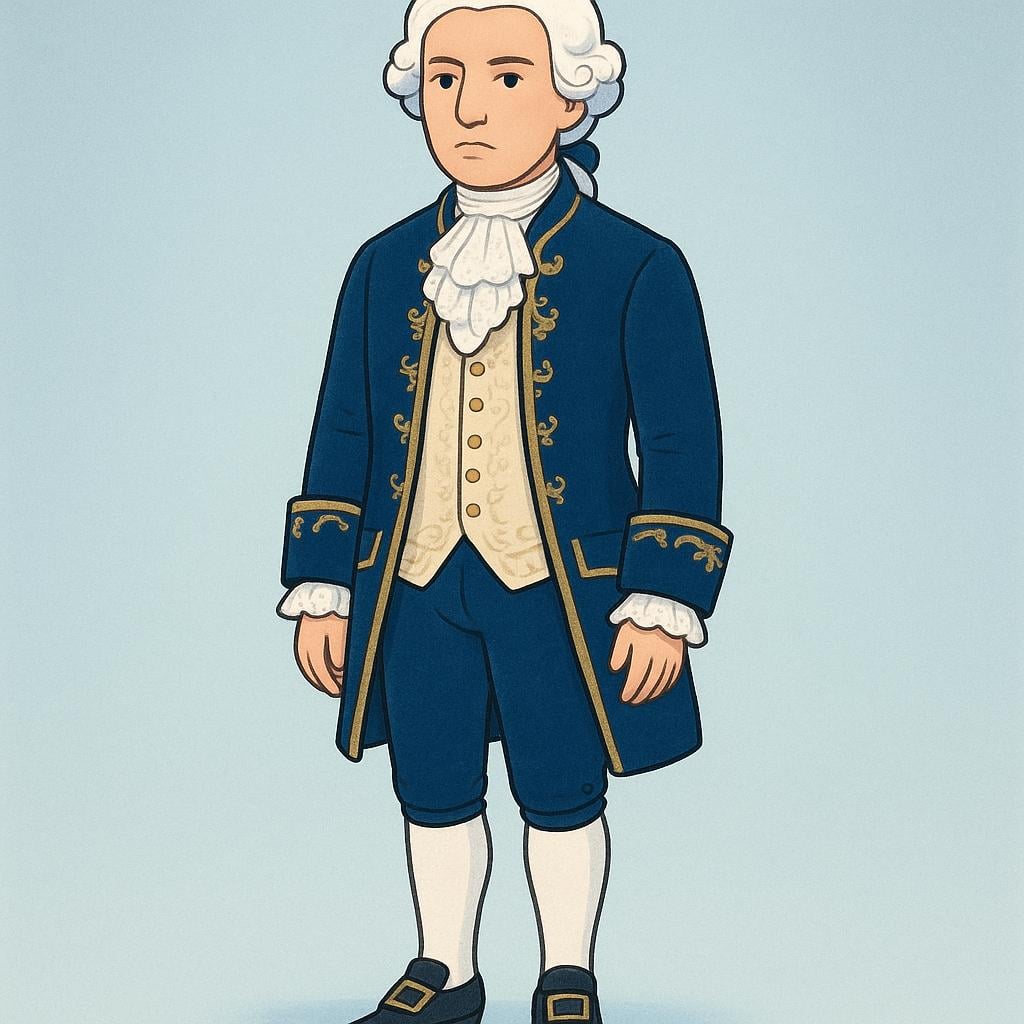
📝 In Action
El mayordomo se inclinó profundamente y dijo: 'Bienvenido, milord'.
B2The butler bowed deeply and said, 'Welcome, my lord.'
Las novelas históricas a menudo describen a los viajeros británicos como 'milords' ricos y excéntricos.
C1Historical novels often describe British travelers as rich and eccentric 'milords'.
Parece que el nuevo vecino es un milord: siempre viste de tweed y bebe té a las cinco.
C1It seems the new neighbor is a milord: he always wears tweed and drinks tea at five.
Translate to Spanish
✏️ Quick Practice
Quick Quiz: milord
Question 1 of 1
In which context is 'milord' most likely to be used in Spanish?
📚 More Resources
👥 Word Family▼
🎵 Rhymes▼
📚 Etymology▼
Borrowed directly from the English phrase 'my lord,' which was used as a formal title to address a British peer or nobleman.
First recorded: 18th or 19th century (in Spanish literature)
Cognates (Related words)
💡 Master Spanish
Take your Spanish to the next level. Read 200+ illustrated and narrated Spanish stories tailored to your level with the Inklingo app!
Frequently Asked Questions
Is 'milord' a commonly used word in modern Spanish?
No, it is quite rare. It is mostly found in historical novels, period dramas, or when someone is making a humorous or exaggerated reference to a wealthy British person.
Does 'milord' have a feminine form?
No. Since it is a direct borrowing of the masculine title 'my lord,' it does not have a corresponding feminine form in Spanish. You would use 'milady' (another English borrowing) or a descriptive phrase if needed.