monedas
“monedas” means “coins” in Spanish. It has 2 different meanings depending on context:
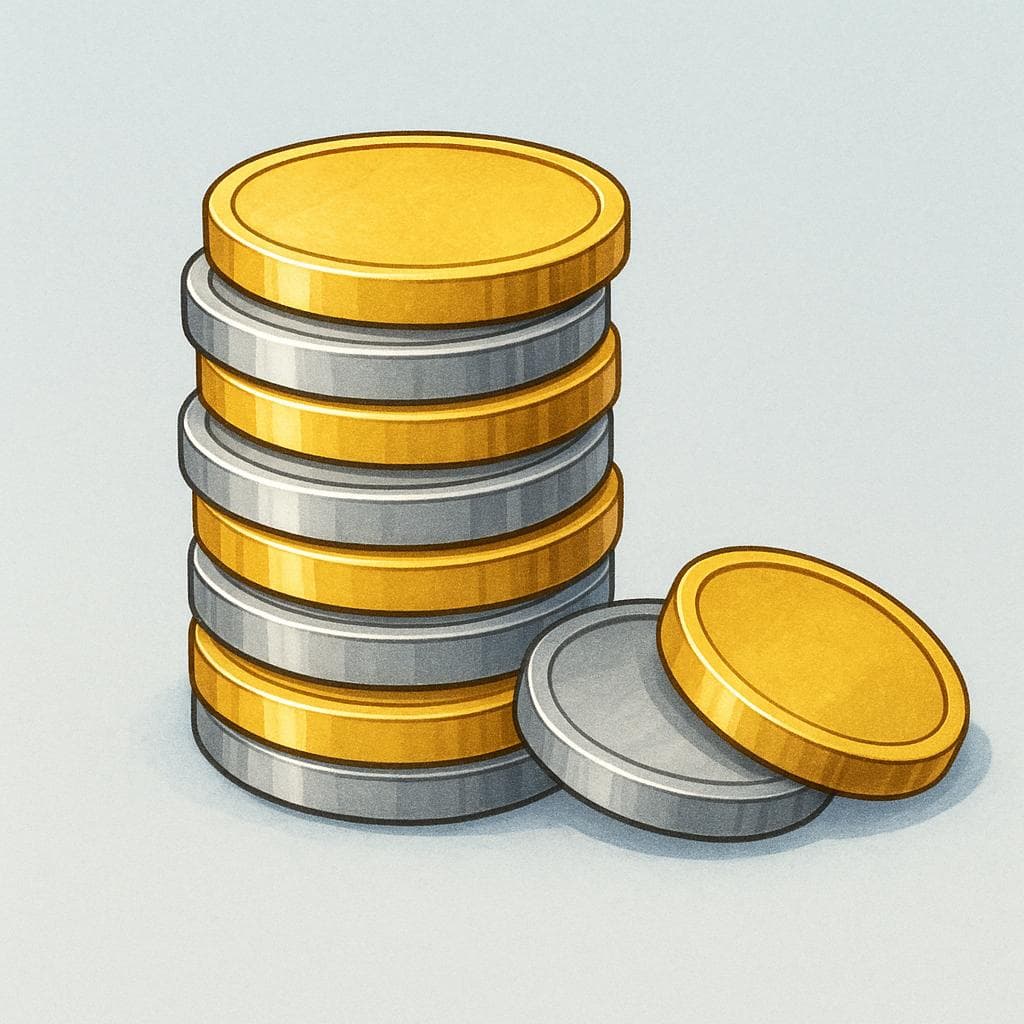

coins, change
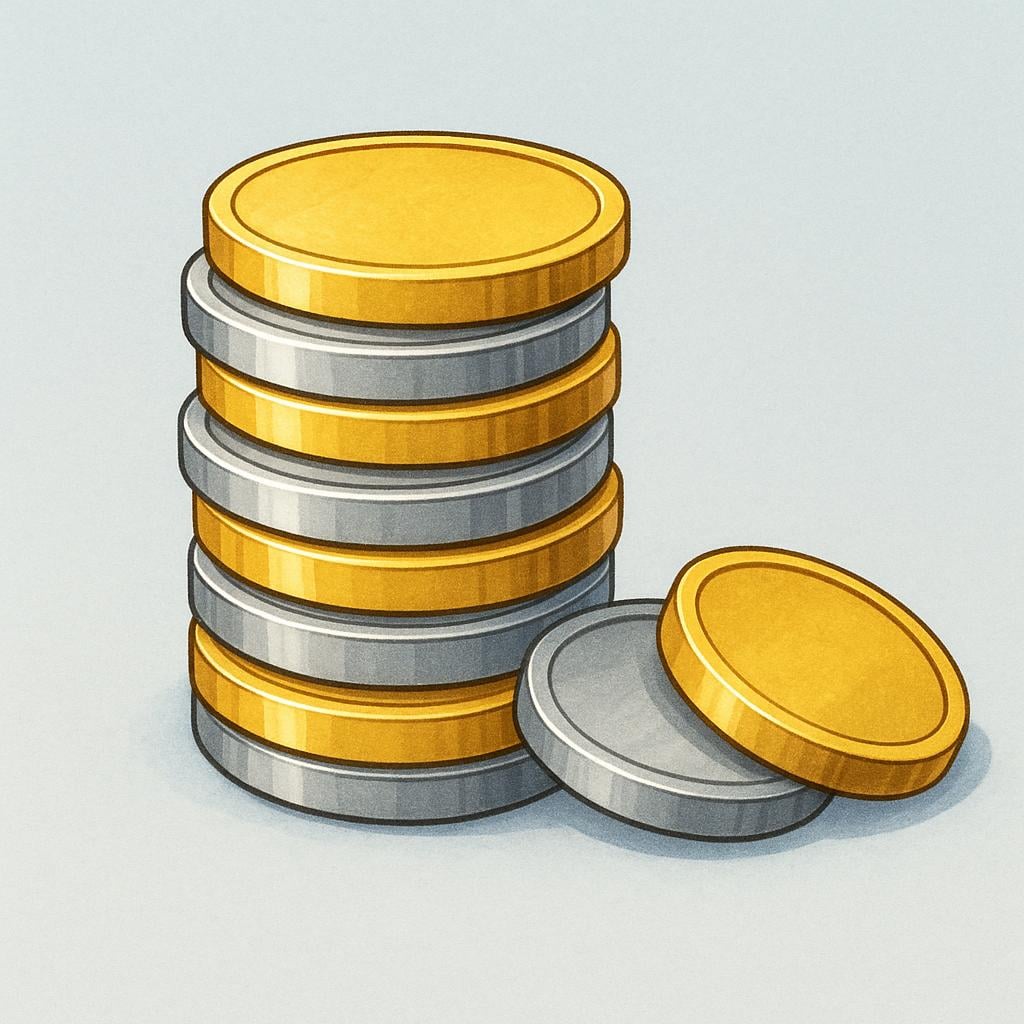
📝 In Action
Necesito sacar algunas monedas de mi cartera para el autobús.
A1I need to take some coins out of my wallet for the bus.
Hay muchas monedas pequeñas debajo del sofá.
A2There are a lot of small coins under the sofa.
Este parquímetro solo acepta monedas de un euro.
B1This parking meter only accepts one-euro coins.
Word Connections
currency

📝 In Action
Las monedas latinoamericanas sufrieron una fuerte devaluación el año pasado.
B2Latin American currencies suffered a strong devaluation last year.
Hay muchas monedas diferentes en circulación alrededor del mundo.
B1There are many different currencies in circulation around the world.
Word Connections
✏️ Quick Practice
Quick Quiz: monedas
Question 1 of 2
Which sentence uses 'monedas' in the sense of 'national currency'?
📚 More Resources
👥 Word Family
🎵 Rhymes
📚 Etymology
The word comes from the Latin word *monēta*. This word referred to the mint where coins were made, which was located next to the temple of the Roman goddess Juno Moneta. This is also the root for the English word 'money'!
First recorded: 13th century
Cognates (Related words)
💡 Master Spanish
Take your Spanish to the next level. Read 200+ illustrated and narrated Spanish stories tailored to your level with the Inklingo app!
Frequently Asked Questions
Is 'monedas' the same as 'dinero'?
Not exactly. 'Dinero' is the general term for money (cash, bank funds, etc.). 'Monedas' specifically refers to the physical metal pieces (coins) or the official currency system itself. All 'monedas' are 'dinero,' but not all 'dinero' are 'monedas' (for example, a credit card balance is 'dinero' but not 'monedas').
Why is 'monedas' a feminine word?
Like many Spanish nouns, its gender comes from its Latin root, *monēta*, which was feminine. Therefore, we use feminine articles and adjectives with it (e.g., 'las monedas viejas' — the old coins).