motor
“motor” means “engine” in Spanish. It has 2 different meanings depending on context:
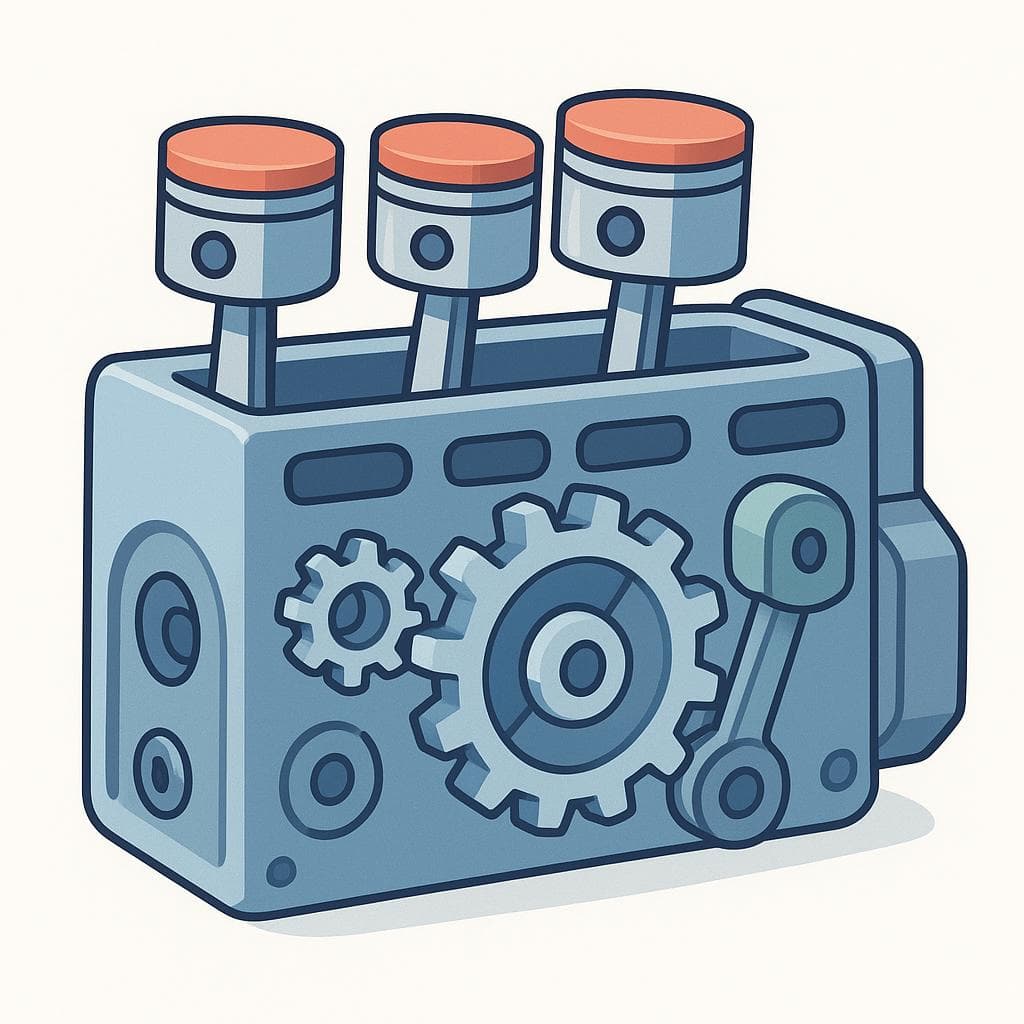

engine, motor
Also: power unit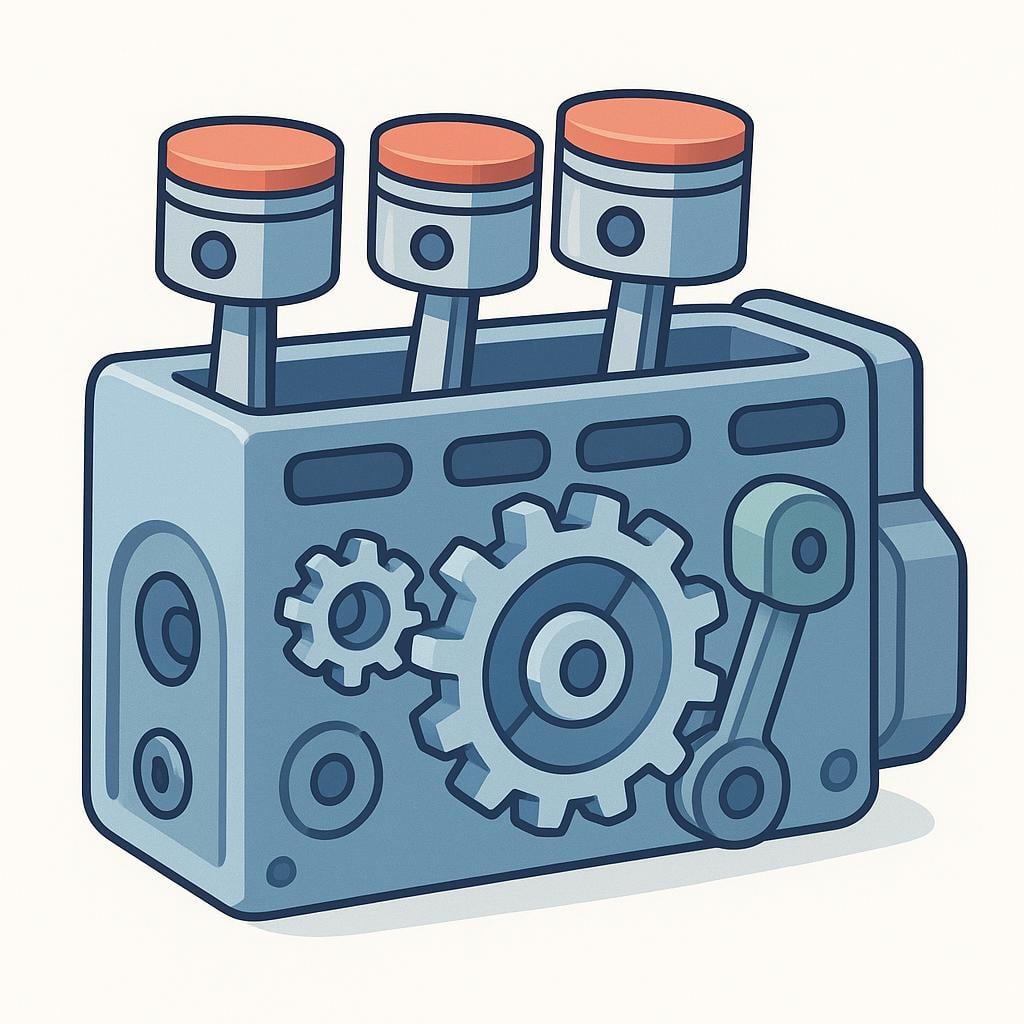
📝 In Action
El coche no arranca; el mecánico dijo que el motor necesita reparación.
A1The car won't start; the mechanic said the engine needs repair.
Este barco utiliza un motor fuera de borda muy potente.
A2This boat uses a very powerful outboard motor.
El ascensor tiene un motor eléctrico que funciona con muy poco ruido.
A2The elevator has an electric motor that runs very quietly.
driving force, impetus
Also: catalyst
📝 In Action
La innovación tecnológica es el motor de la economía moderna.
B2Technological innovation is the driving force of the modern economy.
Su pasión por la justicia fue el motor que impulsó toda su vida política.
C1His passion for justice was the motivation that drove his entire political life.
Translate to Spanish
✏️ Quick Practice
Quick Quiz: motor
Question 1 of 2
Which sentence uses 'motor' in its figurative sense (B2 level)?
📚 More Resources
👥 Word Family▼
📚 Etymology▼
The word comes directly from the Latin word *mōtor*, which meant 'mover' or 'that which moves.' It was adopted into Spanish relatively late as technology developed, keeping its original meaning of something that provides movement or power.
First recorded: 18th century (in the modern mechanical sense)
Cognates (Related words)
💡 Master Spanish
Take your Spanish to the next level. Read 200+ illustrated and narrated Spanish stories tailored to your level with the Inklingo app!
Frequently Asked Questions
Does 'motor' have a feminine form, like 'actriz' is the feminine of 'actor'?
No. When 'motor' refers to the machine or the driving force, it is always masculine ('el motor'). There is no feminine form for this word.
How is 'motor' different from 'máquina'?
'Motor' specifically refers to the part of a system that generates the power or movement. 'Máquina' (machine) is the more general word for a device with moving parts that does work, and it might contain a 'motor'.