máxima
“máxima” means “maximum” in Spanish. It has 3 different meanings depending on context:
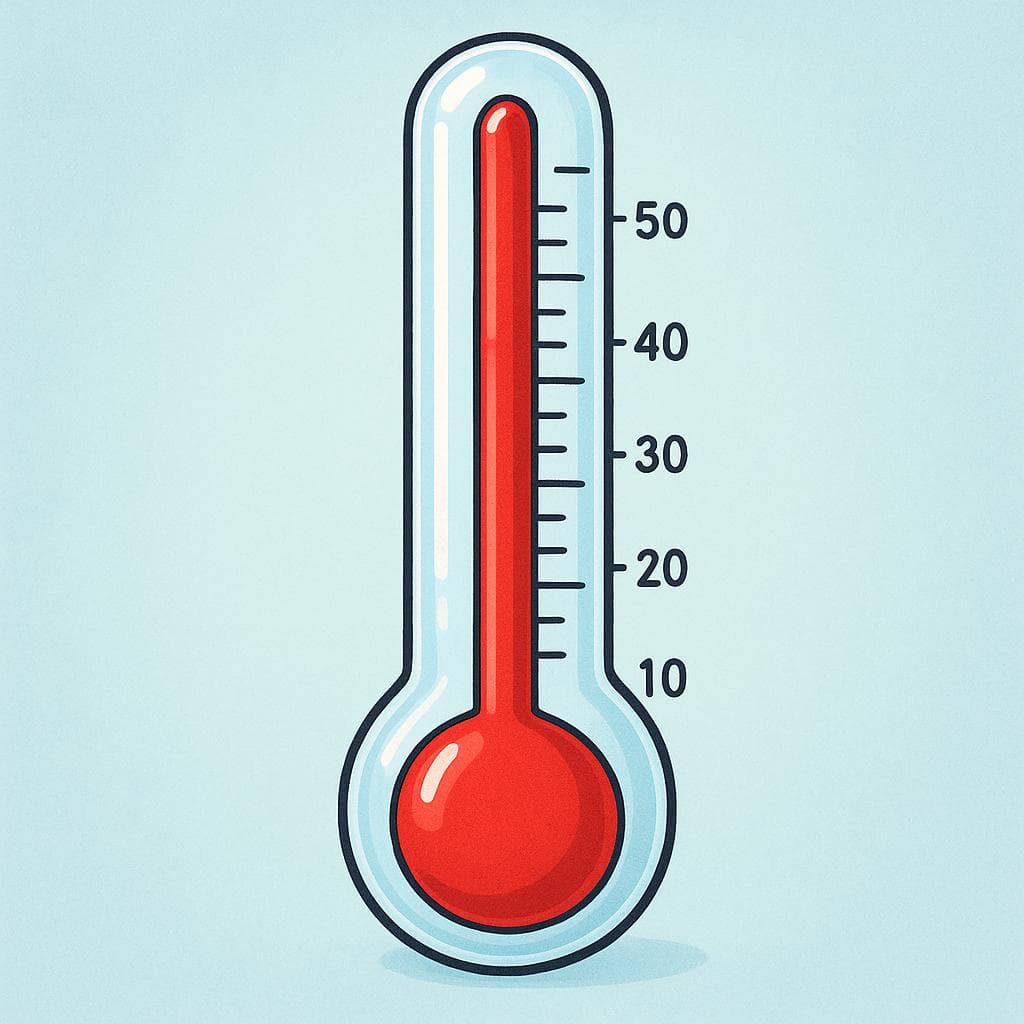


maximum, greatest possible
Also: top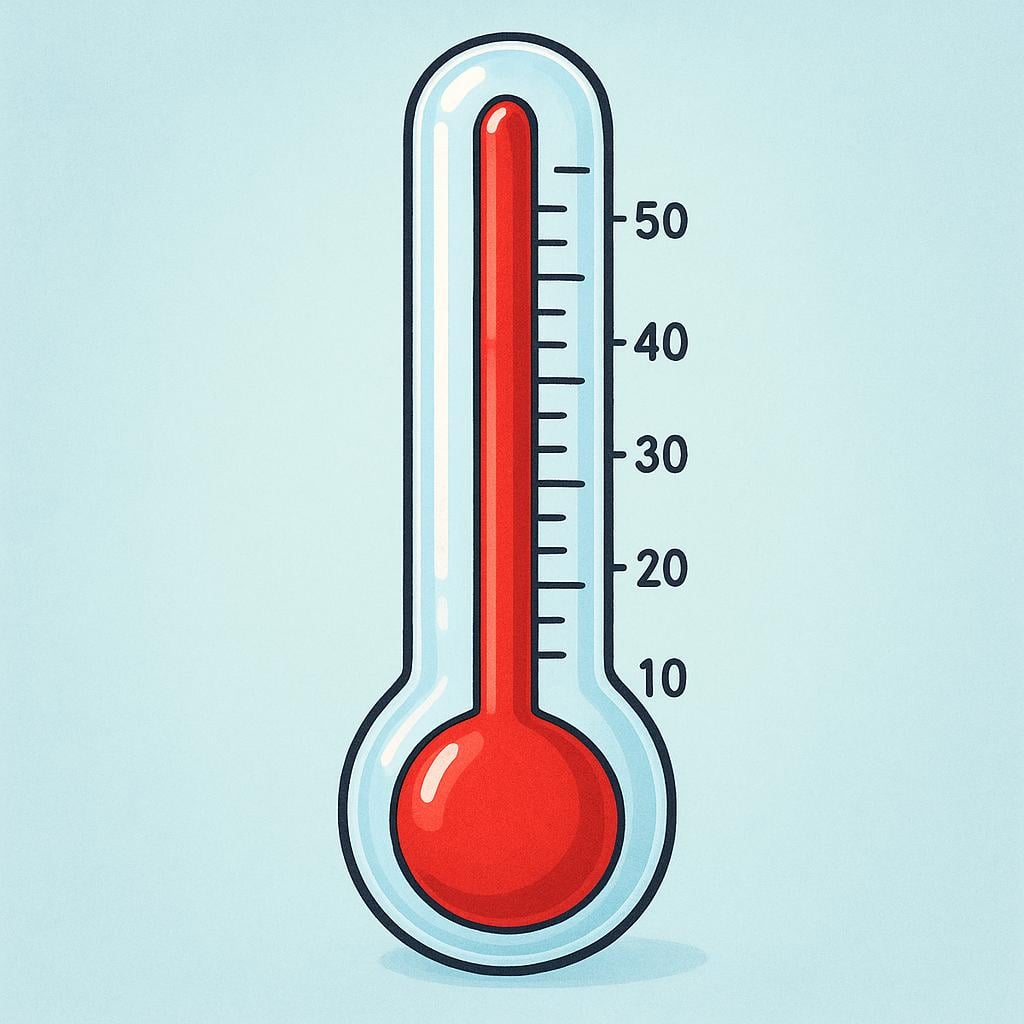
📝 In Action
La velocidad máxima permitida en esta carretera es 100 km/h.
A2The maximum speed allowed on this road is 100 km/h.
Necesitamos la máxima atención para resolver este problema.
B1We need the greatest possible attention to solve this problem.
El equipo mostró una calidad máxima en la final.
B2The team showed top quality in the final.
maximum
Also: high (temperature), limit
📝 In Action
La máxima de hoy en Madrid fue de 35 grados Celsius.
B1Today's high in Madrid was 35 degrees Celsius.
Debemos operar dentro de la máxima establecida por el reglamento.
B2We must operate within the maximum limit established by the regulation.
maxim, adage
Also: precept
📝 In Action
Una de sus máximas en la vida era tratar a todos con respeto.
C1One of his guiding principles in life was to treat everyone with respect.
El libro está lleno de máximas filosóficas sobre la virtud.
C2The book is full of philosophical maxims about virtue.
Translate to Spanish
✏️ Quick Practice
Quick Quiz: máxima
Question 1 of 1
Which sentence uses 'máxima' as a noun meaning 'a principle'?
📚 More Resources
👥 Word Family▼
🎵 Rhymes▼
📚 Etymology▼
The word comes directly from the Latin *maximus*, meaning 'greatest' or 'largest.' It entered Spanish retaining this core idea of the highest degree or limit.
First recorded: Medieval Spanish period, derived from Classical Latin.
Cognates (Related words)
💡 Master Spanish
Take your Spanish to the next level. Read 200+ illustrated and narrated Spanish stories tailored to your level with the Inklingo app!
Frequently Asked Questions
How do I know if 'máxima' is an adjective or a noun?
If it describes another feminine noun (like 'velocidad' or 'capacidad'), it's the adjective (e.g., 'la máxima velocidad'). If it stands alone, usually preceded by 'la,' and refers to a temperature, limit, or personal rule, it's the noun (e.g., 'la máxima fue 30 grados').
Is 'máxima' always the opposite of 'mínima'?
Yes, in the context of limits, degrees, or temperatures, 'máxima' (the highest point) is always the direct opposite of 'mínima' (the lowest point).