méxico
“méxico” means “Mexico” in Spanish (The country in North America).
Mexico
Also: Mexico City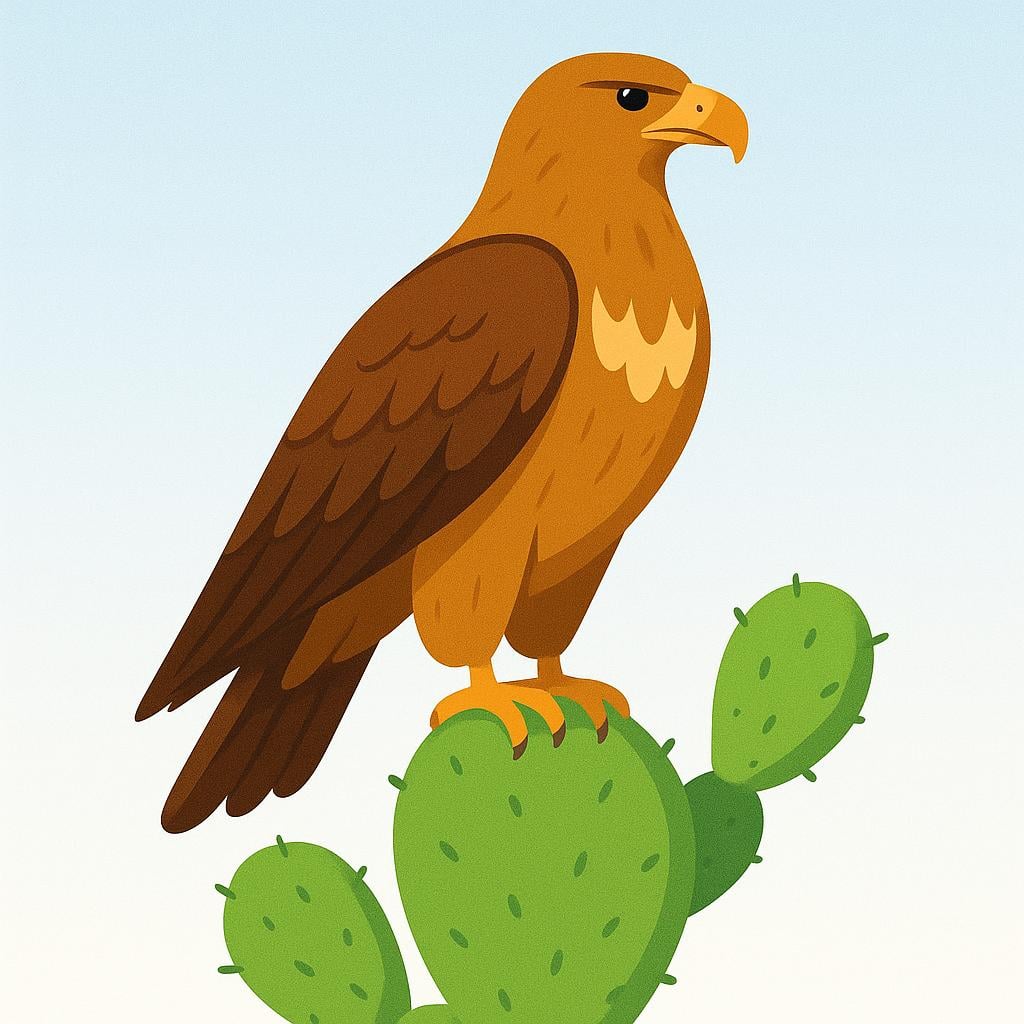
📝 In Action
¿Conoces a alguien que viva en México?
A1Do you know anyone who lives in Mexico?
La cultura de México es muy rica y diversa.
A2The culture of Mexico is very rich and diverse.
La Ciudad de México es la capital del país.
A2Mexico City is the country's capital.
Vocabulary Collections
Translate to Spanish
✏️ Quick Practice
Quick Quiz: méxico
Question 1 of 2
Which sentence correctly uses 'México'?
📚 More Resources
👥 Word Family▼
🎵 Rhymes▼
📚 Etymology▼
The name comes from the Nahuatl language, spoken by the Aztec people. It is derived from the word 'Mēxihco,' which is thought to mean 'Place of the Mēxihcah' (the name the Aztecs used for themselves). The spelling with 'x' was common in older Spanish, and while the sound later changed to 'j' in most words, the traditional spelling for this place name was kept.
First recorded: Pre-Columbian era (as Mēxihco)
Cognates (Related words)
💡 Master Spanish
Take your Spanish to the next level. Read 200+ illustrated and narrated Spanish stories tailored to your level with the Inklingo app!
Frequently Asked Questions
Why does 'México' have an accent mark?
The accent mark is there to show where the emphasis falls when you say the word. Without it, the natural Spanish pronunciation rules would stress the second syllable ('mexi-CO'), but the accent forces the stress onto the first syllable ('MÉ-xi-co').
Is it okay to spell it 'Méjico'?
While 'Méjico' is grammatically correct and reflects the pronunciation, the spelling 'México' is the official and overwhelmingly preferred spelling in Spanish-speaking countries, especially in Mexico itself. Always use 'México'.