míos
“míos” means “mine” in Spanish. It has 2 different meanings depending on context:


mineAlso: my own
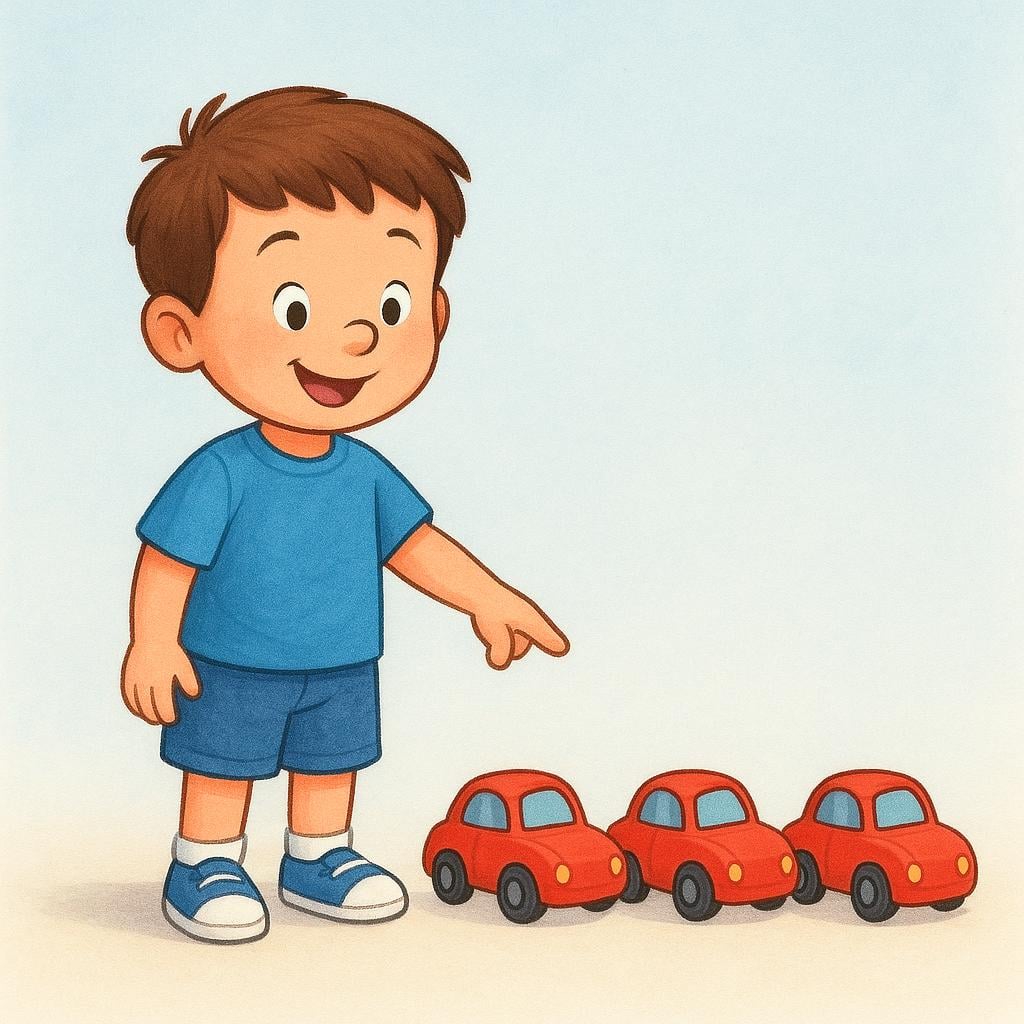
📝 In Action
Estos lápices no son tuyos, son míos.
A1These pencils are not yours, they are mine.
Nuestros problemas son grandes, pero los míos son peores.
B1Our problems are big, but mine are worse.
¿Dónde están mis libros? ¡Ah, ya veo que tienes los míos!
A2Where are my books? Oh, I see you have mine!
my peopleAlso: my folks

📝 In Action
No te preocupes, mis amigos y los míos te ayudarán.
B1Don't worry, my friends and my people will help you.
Los míos siempre me apoyan en todo.
B2My family/folks always support me in everything.
Word Connections
✏️ Quick Practice
Quick Quiz: míos
Question 1 of 2
Which sentence correctly uses 'míos'?
📚 More Resources
👥 Word Family
🎵 Rhymes
📚 Etymology
The word comes directly from the Latin possessive pronoun *meus* (masculine singular), meaning 'my' or 'mine.' Spanish developed the plural forms to match the quantity of the things being possessed.
First recorded: Old Spanish (around 10th century)
Cognates (Related words)
💡 Master Spanish
Take your Spanish to the next level. Read 200+ illustrated and narrated Spanish stories tailored to your level with the Inklingo app!
Frequently Asked Questions
When do I use 'mis' versus 'míos'?
Use 'mis' (my) when the word is followed immediately by the item being possessed (Mis libros). Use 'míos' (mine) when the word stands alone, replacing the item (Los libros son míos).
Does 'míos' refer to the owner or the object?
'Míos' refers to the object being possessed. It must be masculine and plural, regardless of whether the owner is male or female. (e.g., A woman saying 'Estos coches son míos' is correct because 'coches' is masculine plural.)