naranja
“naranja” means “orange” in Spanish. It has 2 different meanings depending on context:
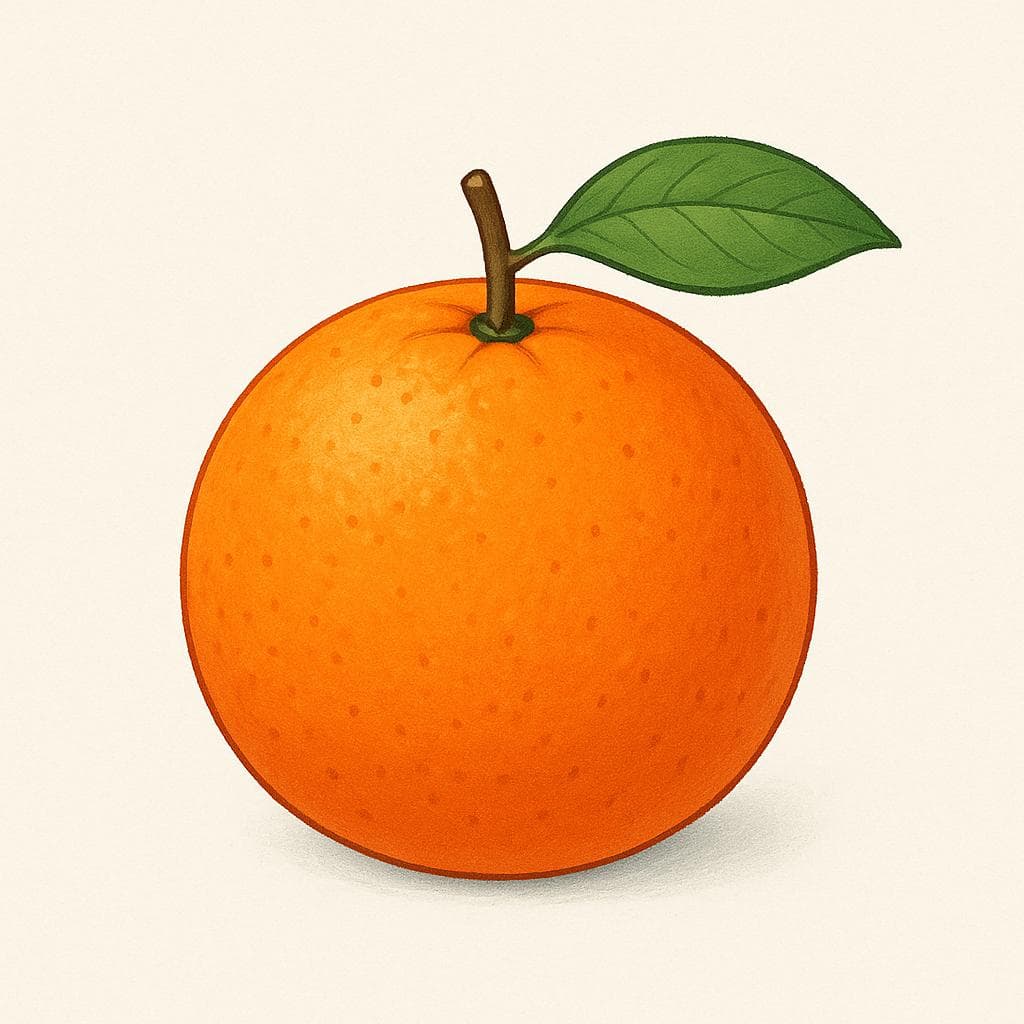

orangeAlso: orange tree

📝 In Action
Quiero una naranja dulce para el postre.
A1I want a sweet orange for dessert.
El zumo de naranja es mi bebida favorita por la mañana.
A1Orange juice is my favorite drink in the morning.
Word Connections
orange

📝 In Action
Compré una bufanda naranja para el invierno.
A2I bought an orange scarf for the winter.
Los coches naranja son fáciles de ver en la oscuridad.
A2Orange cars are easy to see in the dark.
El naranja es mi color favorito.
B1Orange is my favorite color. (Used as an abstract noun concept)
Word Connections
Vocabulary Collections
Translate to Spanish
Words that translate to "naranja" in Spanish:
✏️ Quick Practice
Quick Quiz: naranja
Question 1 of 2
Which sentence correctly uses 'naranja' as a color adjective?
📚 More Resources
👥 Word Family
📚 Etymology
The word traveled a long way! It came to Spanish from Arabic ('nāranj'), which borrowed it from Persian ('nārang'), and its ultimate root is the Sanskrit word 'nāranga' (meaning 'orange tree').
First recorded: Around the 13th century in Spanish.
Cognates (Related words)
💡 Master Spanish
Take your Spanish to the next level. Read 200+ illustrated and narrated Spanish stories tailored to your level with the Inklingo app!
Frequently Asked Questions
Is 'naranja' masculine or feminine?
As a noun meaning the fruit, it is feminine ('la naranja'). When used as a color adjective, it is invariable (it doesn't change based on the thing it describes). When referring to the color abstractly ('the color orange'), it is often treated as masculine ('el naranja').
How do I say 'orange tree'?
The specific word for the orange tree is 'el naranjo' (masculine).