narices
“narices” means “the heck” in Spanish. It has 2 different meanings depending on context:

the heck, the hellAlso: absolutely not

📝 In Action
¿Qué narices haces aquí a estas horas?
B2What the heck are you doing here at this hour?
No vamos a ir a esa fiesta. ¡Ni de narices!
C1We are not going to that party. Absolutely not!
¿Dónde narices has escondido mis llaves?
B2Where on earth have you hidden my keys?
Word Connections
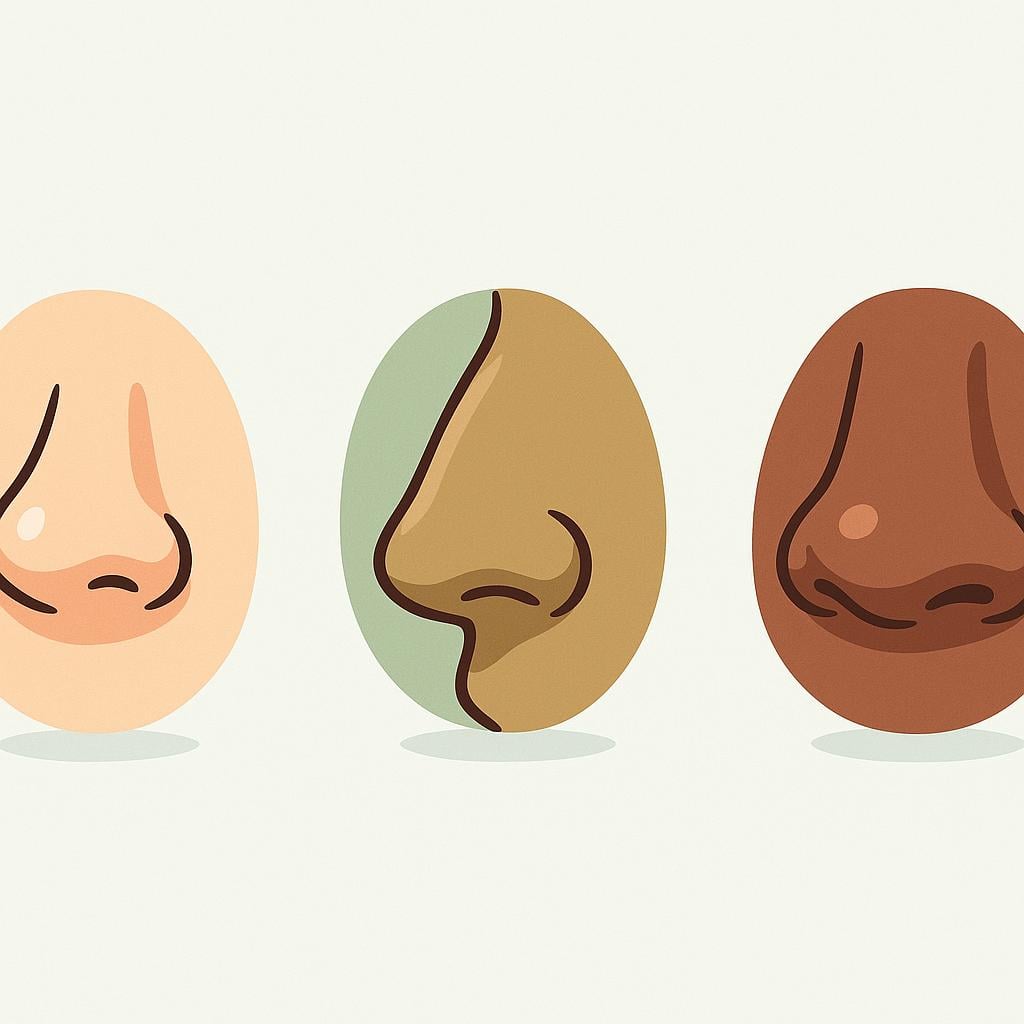
noses
📝 In Action
Los payasos tienen narices grandes y rojas.
A2Clowns have large, red noses.
El doctor examinó las narices de los niños para ver si tenían alergias.
B1The doctor examined the children's noses to see if they had allergies.
Word Connections
Translate to Spanish
Words that translate to "narices" in Spanish:
✏️ Quick Practice
Quick Quiz: narices
Question 1 of 1
Which sentence uses 'narices' in its strong, idiomatic sense?
📚 More Resources
👥 Word Family
🎵 Rhymes
📚 Etymology
Comes from the Latin word *nāris*, meaning 'nostril' or 'nose.' The shift from 'z' (in the singular *nariz*) to 'c' (in the plural *narices*) is a standard spelling change in Spanish that has been around since medieval times.
First recorded: 13th century (as *nariz*)
Cognates (Related words)
💡 Master Spanish
Take your Spanish to the next level. Read 200+ illustrated and narrated Spanish stories tailored to your level with the Inklingo app!
Frequently Asked Questions
Why is 'nariz' spelled with a 'z' but 'narices' with a 'c'?
This is a basic Spanish spelling rule! In Spanish, the letter 'z' is never followed by the vowels 'e' or 'i'. When you make a word ending in 'z' plural, you must change the 'z' to a 'c' before adding '-es'.
Is 'narices' a rude word?
It is not technically a curse word, but it is highly informal and adds a strong tone of annoyance, surprise, or anger. It is often used as a milder replacement for genuinely vulgar words, so use it carefully and only with people you know well.