neumáticos
“neumáticos” means “tires” in Spanish. It has 2 different meanings depending on context:
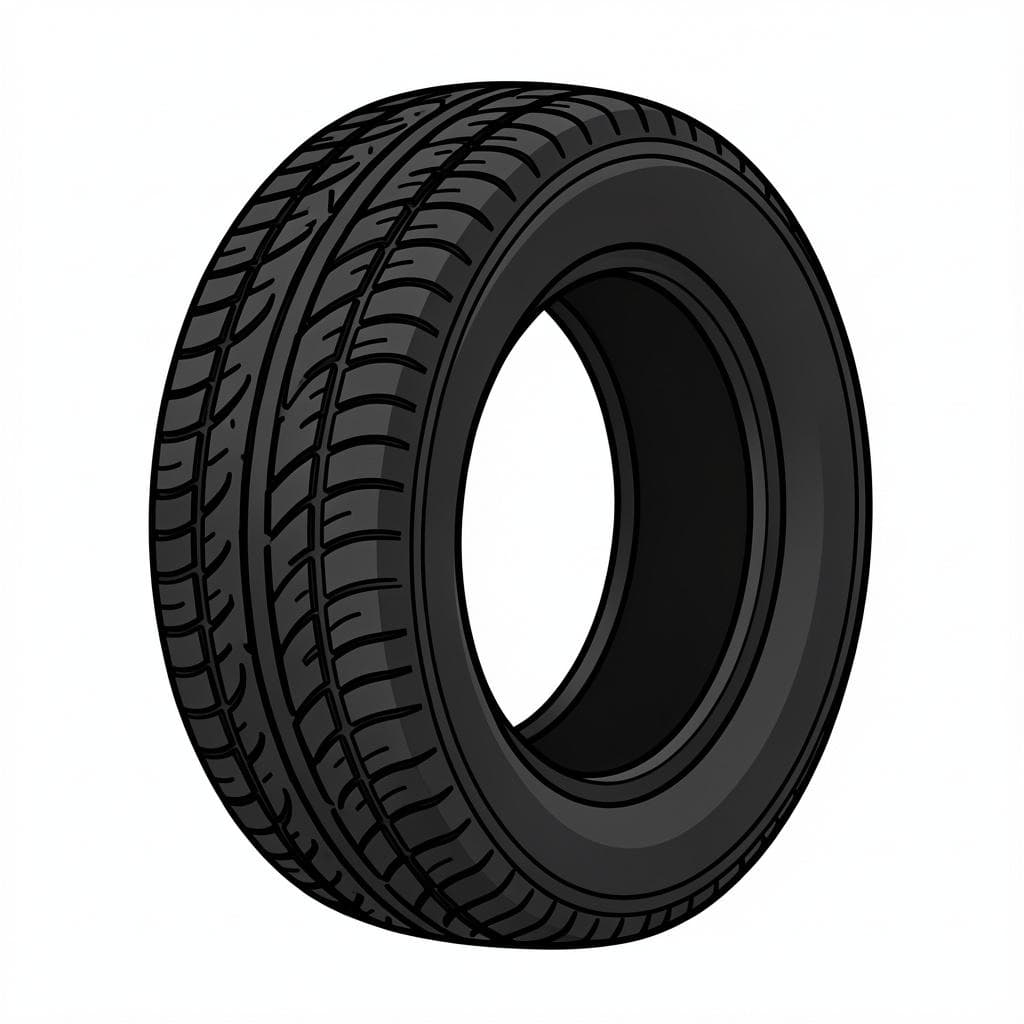
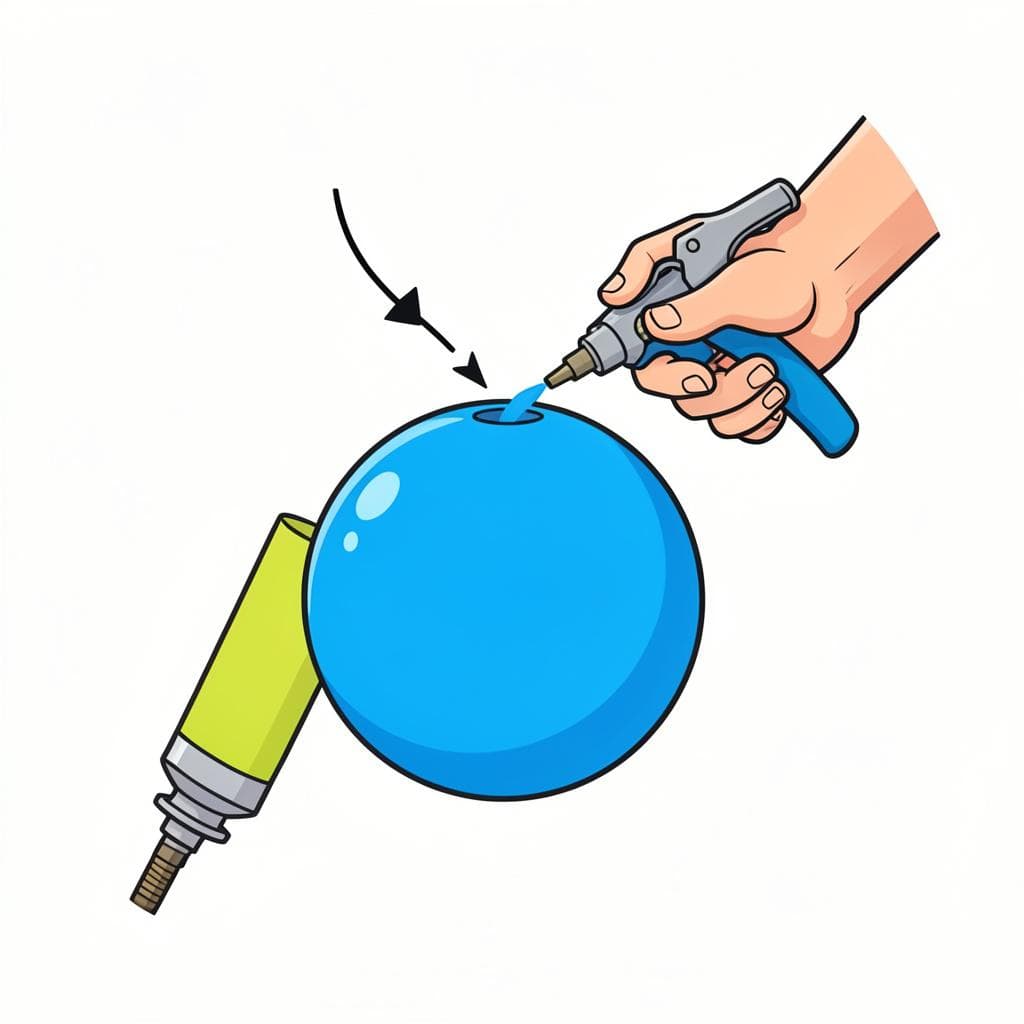
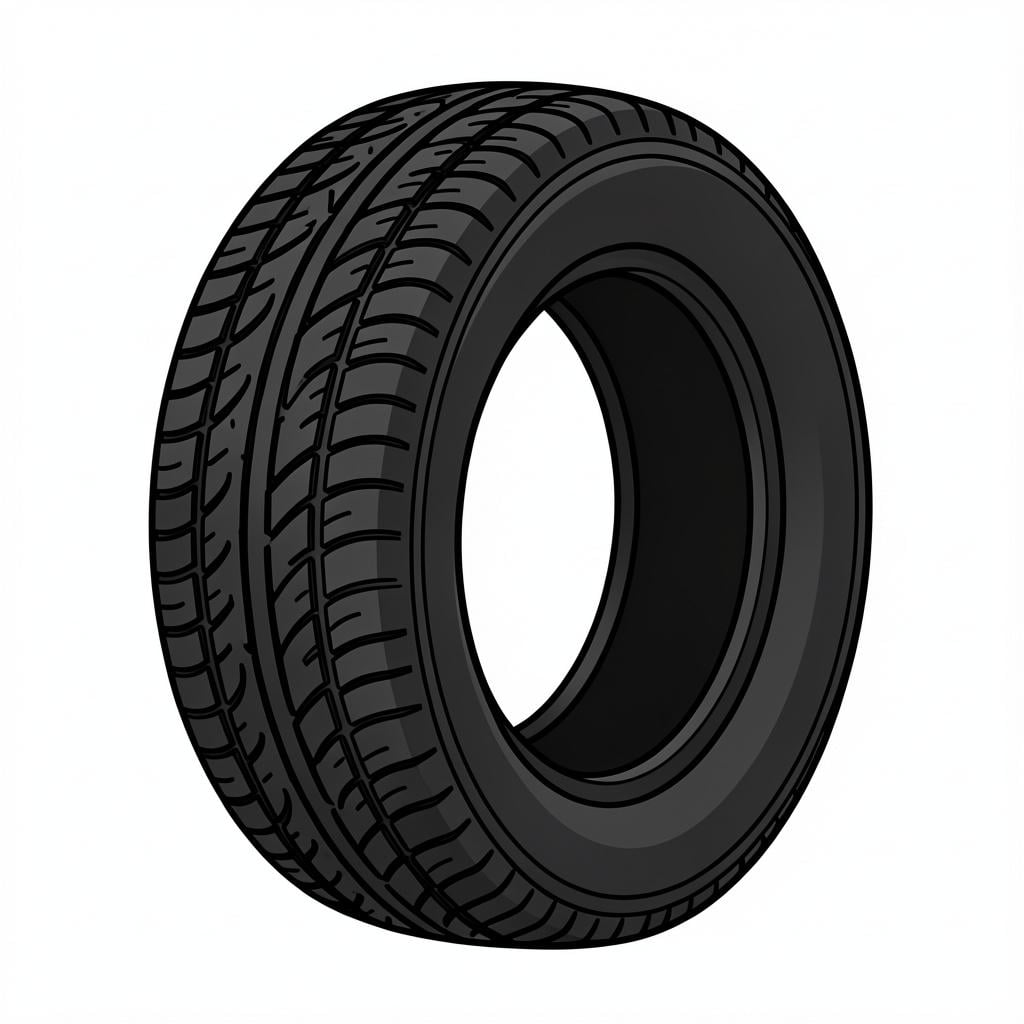
tiresAlso: tyres
📝 In Action
Tengo que cambiar los neumáticos de mi coche porque están viejos.
A2I have to change my car's tires because they are old.
La presión de los neumáticos debe ser revisada regularmente.
B1The tire pressure should be checked regularly.
Word Connections
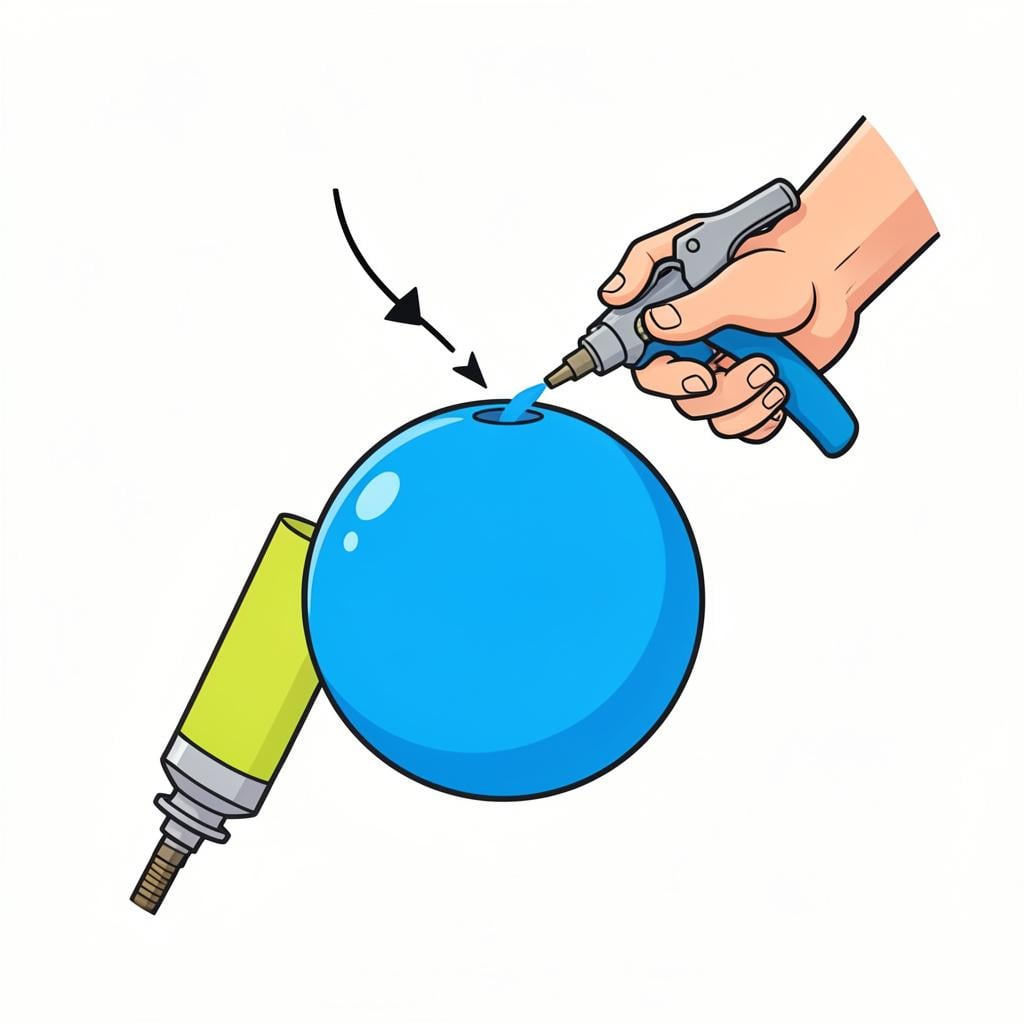
pneumaticAlso: air-powered
📝 In Action
Los trabajadores usan martillos neumáticos en la calle.
B2The workers are using pneumatic drills (jackhammers) on the street.
Word Connections
Translate to Spanish
Words that translate to "neumáticos" in Spanish:
✏️ Quick Practice
Quick Quiz: neumáticos
Question 1 of 1
If you are in Mexico and need to buy new tires, what word are you most likely to use?
📚 More Resources
👥 Word Family
🎵 Rhymes
📚 Etymology
From the Greek word 'pneuma', which means 'air', 'breath', or 'spirit'. It refers to the fact that these tires are filled with compressed air.
First recorded: 19th century (with the invention of air-filled tires)
Cognates (Related words)
💡 Master Spanish
Take your Spanish to the next level. Read 200+ illustrated and narrated Spanish stories tailored to your level with the Inklingo app!
Frequently Asked Questions
Is 'neumático' just the rubber part or the whole wheel?
Technically, it refers only to the rubber part that holds the air. The 'rueda' is the entire assembly, including the metal rim.