niebla
“niebla” means “fog” in Spanish. It has 2 different meanings depending on context:

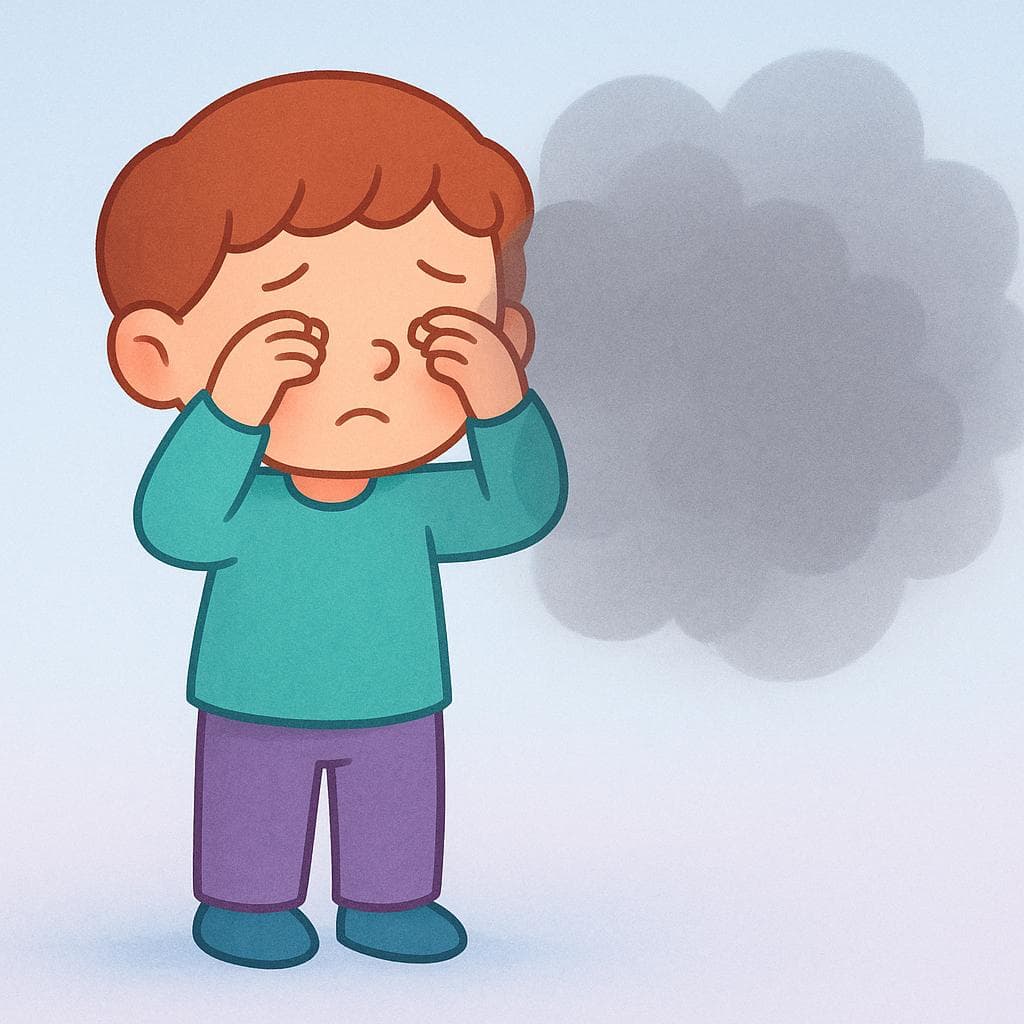
fog
Also: mist, haze
📝 In Action
La niebla era tan espesa que tuvimos que conducir despacio.
A2The fog was so thick that we had to drive slowly.
Cuando hay niebla, los vuelos se retrasan a menudo.
A1When there is mist, flights are often delayed.
mental haze
Also: obscurity, confusion
📝 In Action
Después de la cirugía, sentía una niebla mental que le impedía concentrarse.
B1After the surgery, he felt a mental haze that prevented him from concentrating.
La niebla del pasado le impedía tomar decisiones claras sobre su futuro.
B2The obscurity of the past prevented her from making clear decisions about her future.
Translate to Spanish
✏️ Quick Practice
Quick Quiz: niebla
Question 1 of 1
Which sentence uses 'niebla' in its figurative sense?
📚 More Resources
👥 Word Family▼
📚 Etymology▼
This word comes directly from the Latin word *nebula*, which meant 'mist,' 'cloud,' or 'vapor.' It has been used in Spanish since the Middle Ages.
First recorded: 13th century
Cognates (Related words)
💡 Master Spanish
Take your Spanish to the next level. Read 200+ illustrated and narrated Spanish stories tailored to your level with the Inklingo app!
Frequently Asked Questions
What is the difference between 'niebla' and 'neblina'?
'Niebla' usually refers to a dense, thick fog that severely reduces visibility. 'Neblina' is used for a lighter mist or haze, often less disruptive and easier to see through.
Is 'niebla' pronounced with a 'b' or a 'v' sound?
While it is spelled with a 'b', the sound in the middle of the word ('iebla') is often a soft sound, similar to the English 'v' but made by barely touching your lips together (a sound called a 'bilabial fricative').