niñita
“niñita” means “little girl” in Spanish (young child).
little girl
Also: sweetie, dear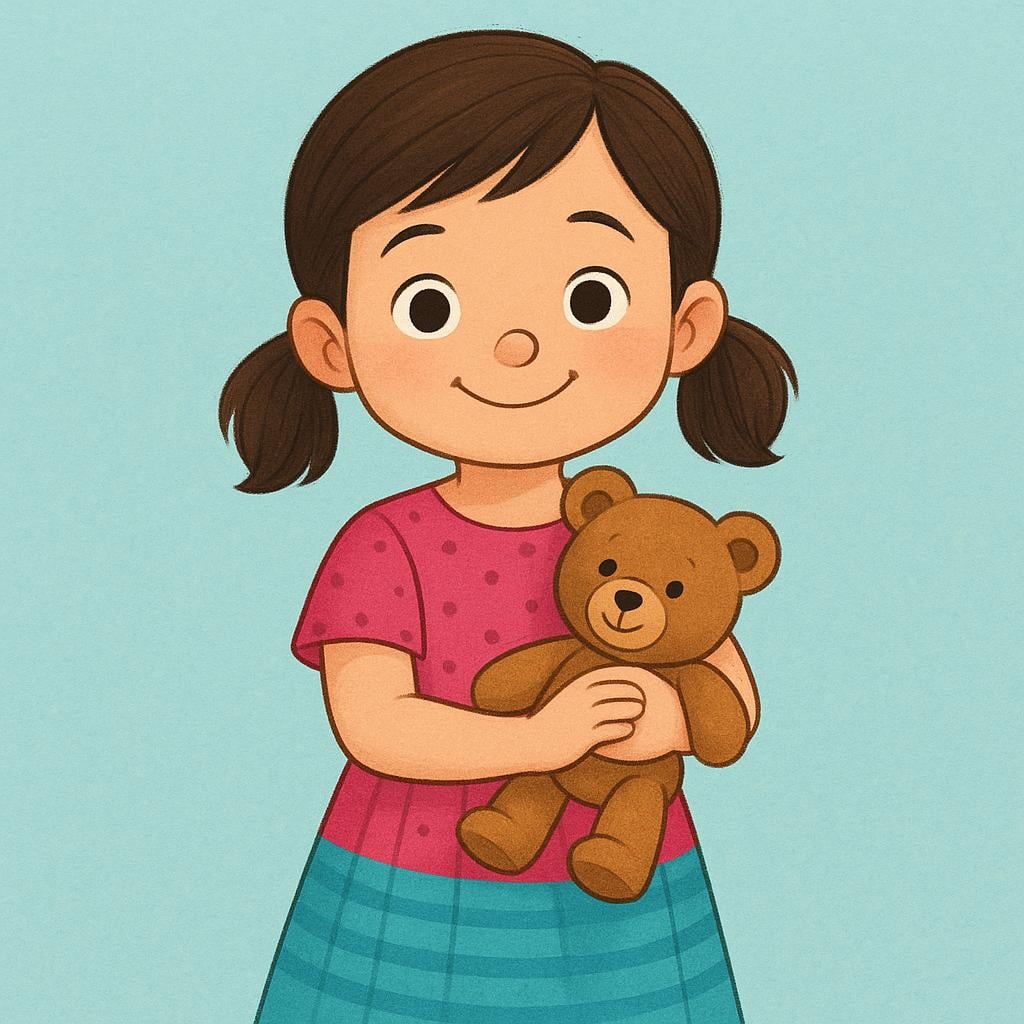
📝 In Action
La niñita estaba jugando con su oso de peluche.
A2The little girl was playing with her teddy bear.
¡Qué niñita tan inteligente! Respondió todas las preguntas.
B1What a smart little girl! She answered all the questions.
Mi abuela siempre me llama niñita, aunque ya tengo veinte años.
B2My grandmother always calls me 'niñita' (sweetie), even though I'm already twenty years old.
Translate to Spanish
✏️ Quick Practice
Quick Quiz: niñita
Question 1 of 1
What is the main difference between 'niña' and 'niñita'?
📚 More Resources
👥 Word Family▼
🎵 Rhymes▼
📚 Etymology▼
Formed from the Spanish noun 'niña' (girl), which itself has an uncertain origin, possibly from an onomatopoeic root used to call children. The suffix '-ita' was added to convey smallness and affection.
First recorded: The base word 'niña' dates back to the 13th century; the diminutive form appeared later as a natural linguistic development.
Cognates (Related words)
💡 Master Spanish
Take your Spanish to the next level. Read 200+ illustrated and narrated Spanish stories tailored to your level with the Inklingo app!
Frequently Asked Questions
Can 'niñita' be used for an adult?
Yes, but only in a highly familiar and affectionate context, usually by an older relative (like a grandparent) towards a granddaughter, to express enduring affection, regardless of the person's age.