nueve
“nueve” means “nine” in Spanish. It has 2 different meanings depending on context:


nine
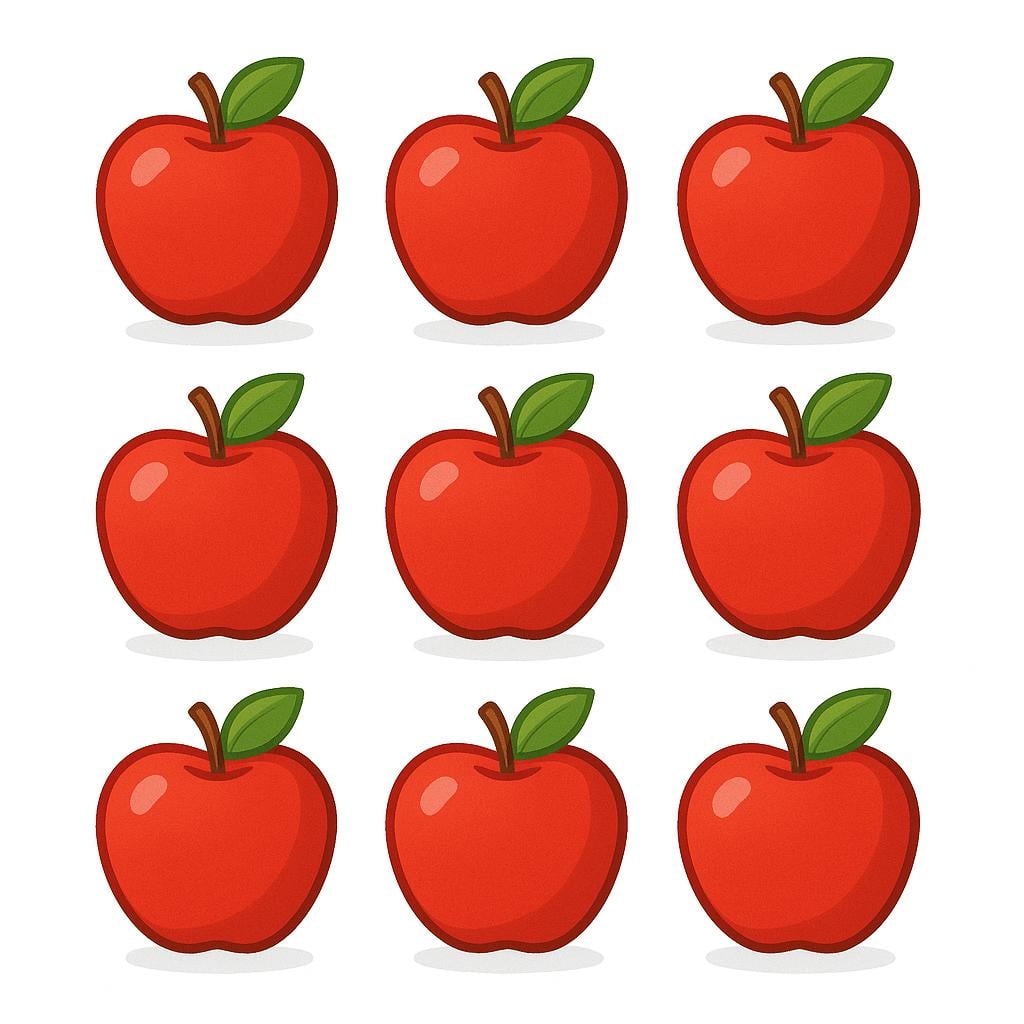
📝 In Action
Necesito nueve huevos para hacer el pastel.
A1I need nine eggs to make the cake.
La mesa tiene capacidad para nueve personas.
A1The table has capacity for nine people.
Solo me quedan nueve días de vacaciones.
A2I only have nine days of vacation left.
the number nine, nine o'clock

📝 In Action
Mi número favorito es el nueve.
A1My favorite number is nine.
La película empieza a las nueve en punto.
A1The movie starts at nine o'clock sharp.
Sacó un nueve en el examen de matemáticas.
B1She got a nine (an A or high grade) on the math exam.
Translate to Spanish
🗣️ Practice in a Tongue Twister
✏️ Quick Practice
Quick Quiz: nueve
Question 1 of 2
Which sentence correctly uses 'nueve' to tell time?
📚 More Resources
👥 Word Family▼
📚 Etymology▼
The word 'nueve' comes directly from the Latin word 'novem', which meant 'nine'. It has changed very little over the centuries, maintaining its original form and function.
First recorded: Pre-Classical Latin (via Vulgar Latin)
Cognates (Related words)
💡 Master Spanish
Take your Spanish to the next level. Read 200+ illustrated and narrated Spanish stories tailored to your level with the Inklingo app!
Frequently Asked Questions
Does 'nueve' ever change its form for gender or number?
No, 'nueve' is one of the easiest numbers to use because it is completely invariable. You use 'nueve' whether you are counting masculine or feminine nouns, and it doesn't become plural (you don't say 'nueves').
How do I say 'ninth' (ordinal number) in Spanish?
The word for 'ninth' is 'noveno' (or 'novena' if the noun is feminine). Remember, ordinal numbers like 'first', 'second', and 'ninth' are different from cardinal numbers like 'one', 'two', and 'nine'.