once
“once” means “eleven” in Spanish. It has 2 different meanings depending on context:

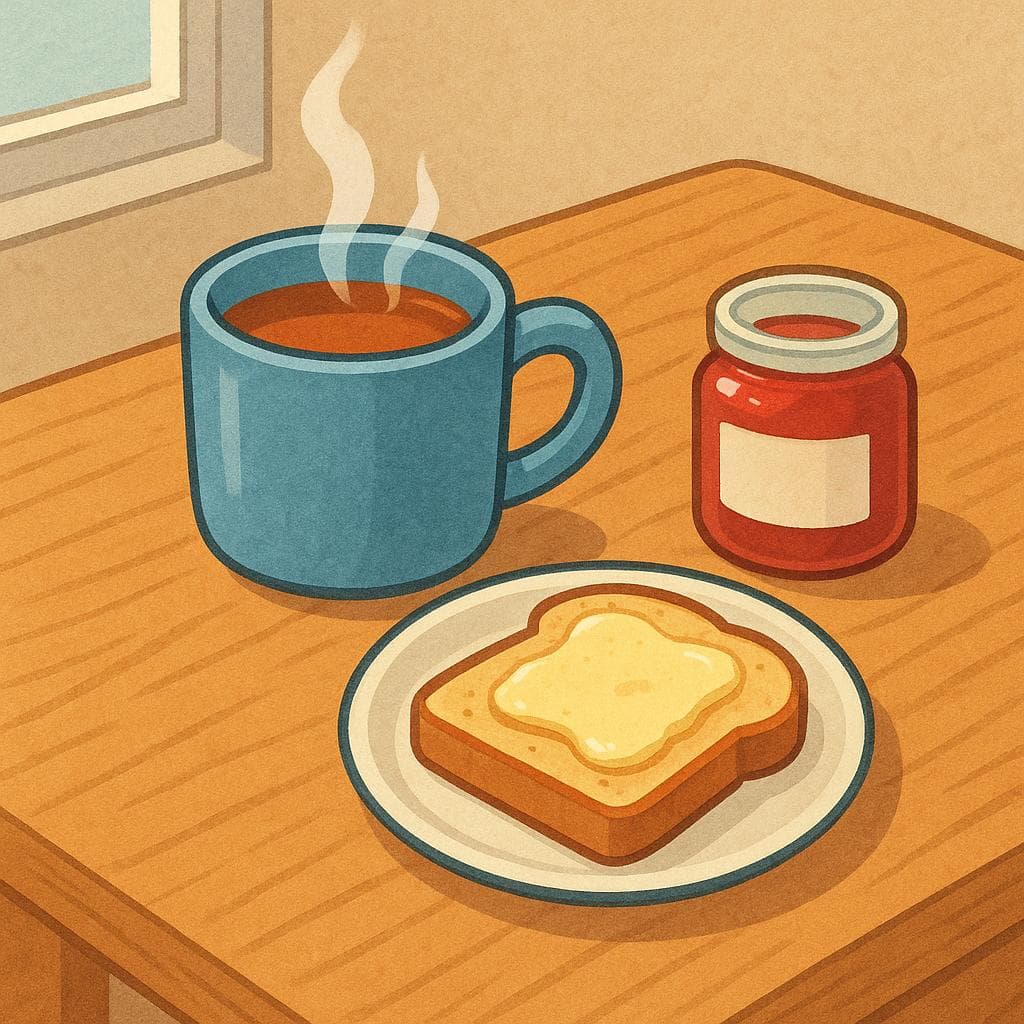
eleven
Also: 11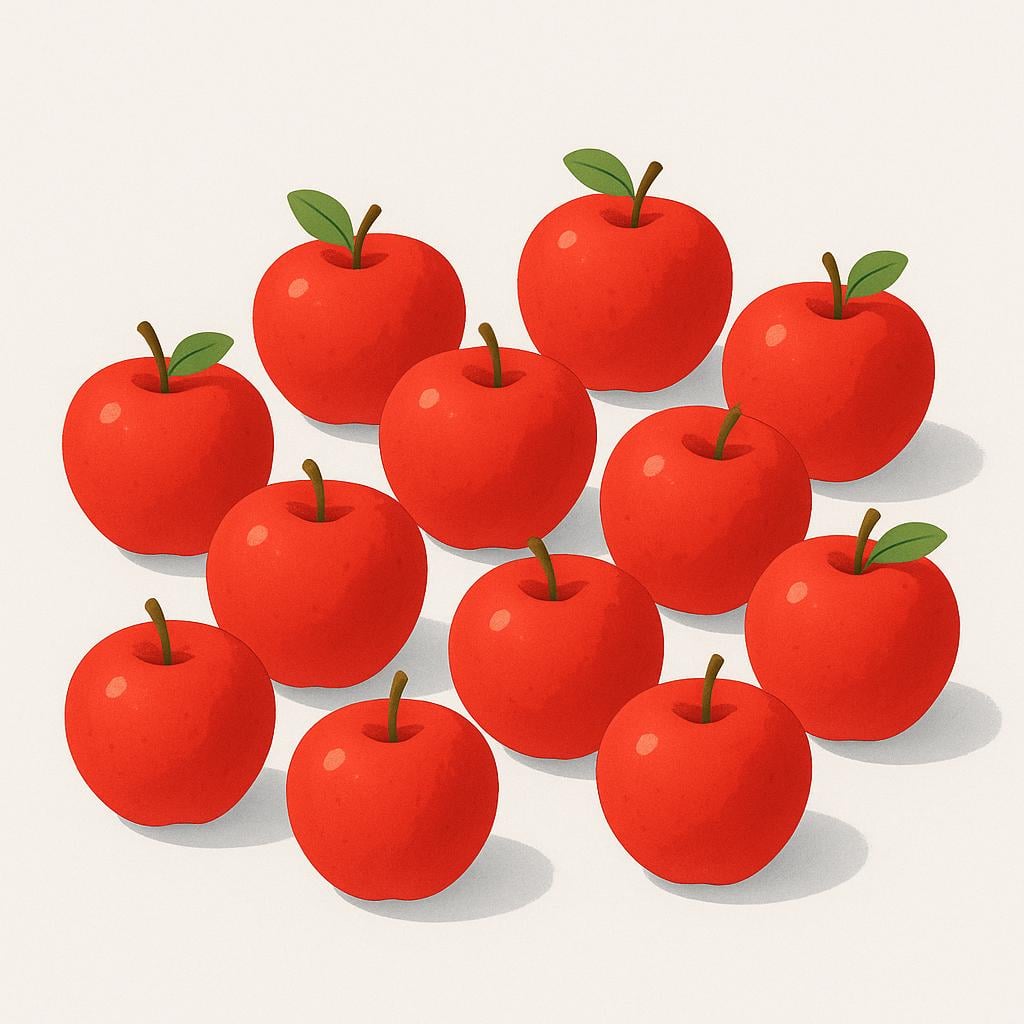
📝 In Action
Mi hermana cumple once años mañana.
A1My sister turns eleven tomorrow.
Son las once y media de la noche.
A1It is eleven thirty at night.
Necesitas once huevos para esta receta.
A2You need eleven eggs for this recipe.
afternoon tea
Also: snack time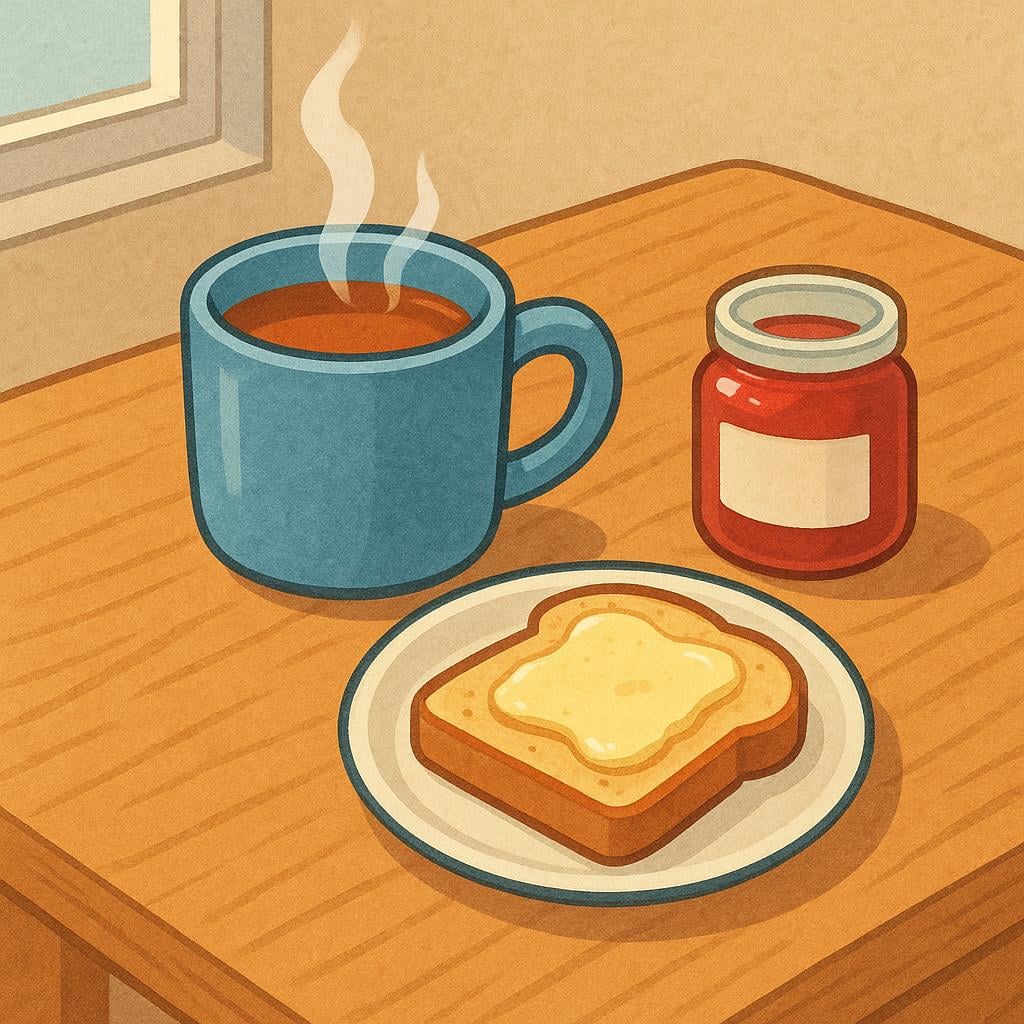
📝 In Action
¿Vienes a tomar la once con nosotros?
B1Are you coming to have afternoon tea/the 'once' with us?
Para la once solo comemos pan y café.
B2For the 'once' we only eat bread and coffee.
Translate to Spanish
✏️ Quick Practice
Quick Quiz: once
Question 1 of 1
Which sentence uses 'once' to describe a meal rather than a number?
📚 More Resources
👥 Word Family▼
📚 Etymology▼
The word comes directly from the Latin word 'undecim,' which also meant 'eleven.' Spanish simply smoothed out the sound over the centuries.
First recorded: Around the 10th century in Old Spanish.
Cognates (Related words)
💡 Master Spanish
Take your Spanish to the next level. Read 200+ illustrated and narrated Spanish stories tailored to your level with the Inklingo app!
Frequently Asked Questions
Does 'once' ever change its form or gender?
No. As a number, 'once' is always 'once,' regardless of whether the things you are counting are masculine or feminine (e.g., 'once libros,' 'once mesas').
Why is the Chilean afternoon tea called 'la once'?
There are a few theories, but the most popular is that it comes from a code word used in the 19th century. People would say 'tomar once' to secretly mean 'tomar aguardiente' (to drink liquor), because the word 'aguardiente' has eleven letters.