oso
“oso” means “bear” in Spanish. It has 2 different meanings depending on context:

bear
Also: teddy bear
📝 In Action
Vimos un oso negro comiendo bayas en el bosque.
A1We saw a black bear eating berries in the forest.
El oso polar vive en el Ártico y es enorme.
A2The polar bear lives in the Arctic and is enormous.
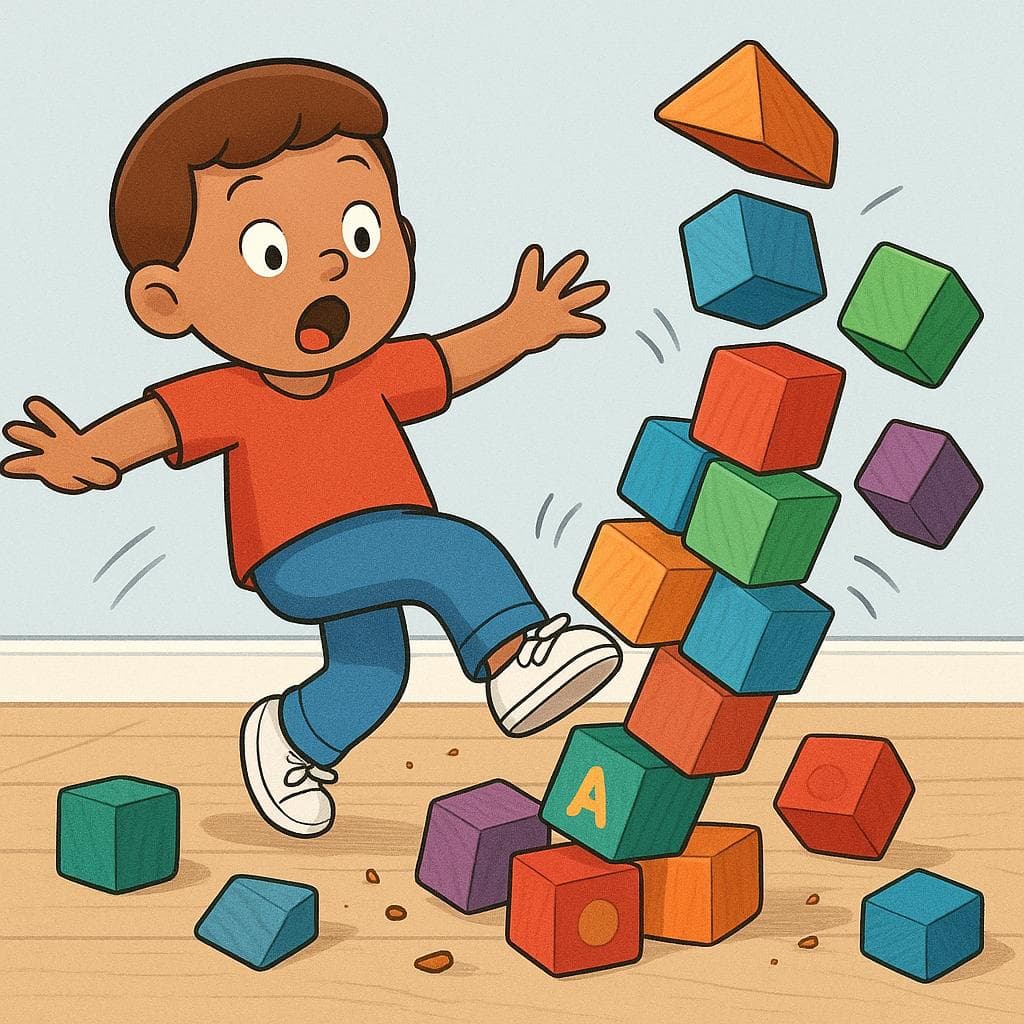
blunder, moment of shame
Also: faux pas
📝 In Action
Hice el oso cuando saludé a la persona equivocada en la reunión.
B1I made a fool of myself (or: I had an embarrassing moment) when I greeted the wrong person at the meeting.
¡Qué oso! Se le cayó la bandeja entera.
B2How embarrassing! He dropped the entire tray.
Vocabulary Collections
Translate to Spanish
🗣️ Practice in a Tongue Twister
✏️ Quick Practice
Quick Quiz: oso
Question 1 of 1
Which sentence uses 'oso' in its figurative, informal meaning?
📚 More Resources
👥 Word Family▼
🎵 Rhymes▼
📚 Etymology▼
Comes directly from the Latin word *ursus*, which meant 'bear.' It has been used in Spanish since the earliest days of the language.
First recorded: 10th century
Cognates (Related words)
💡 Master Spanish
Take your Spanish to the next level. Read 200+ illustrated and narrated Spanish stories tailored to your level with the Inklingo app!
Frequently Asked Questions
If 'oso' means bear, why do people use it to mean 'embarrassment'?
This is a form of slang, especially common in Mexico. It comes from the cultural idea that a bear is large, clumsy, and very noticeable. So, 'hacer el oso' means doing something so clumsy or awkward that you draw attention to yourself in an embarrassing way.
Is 'oso' masculine or feminine?
'Oso' is a masculine noun. The word for a female bear is 'osa.' You use 'el oso' for the animal in general.