pan
“pan” means “bread” in Spanish. It has 2 different meanings depending on context:
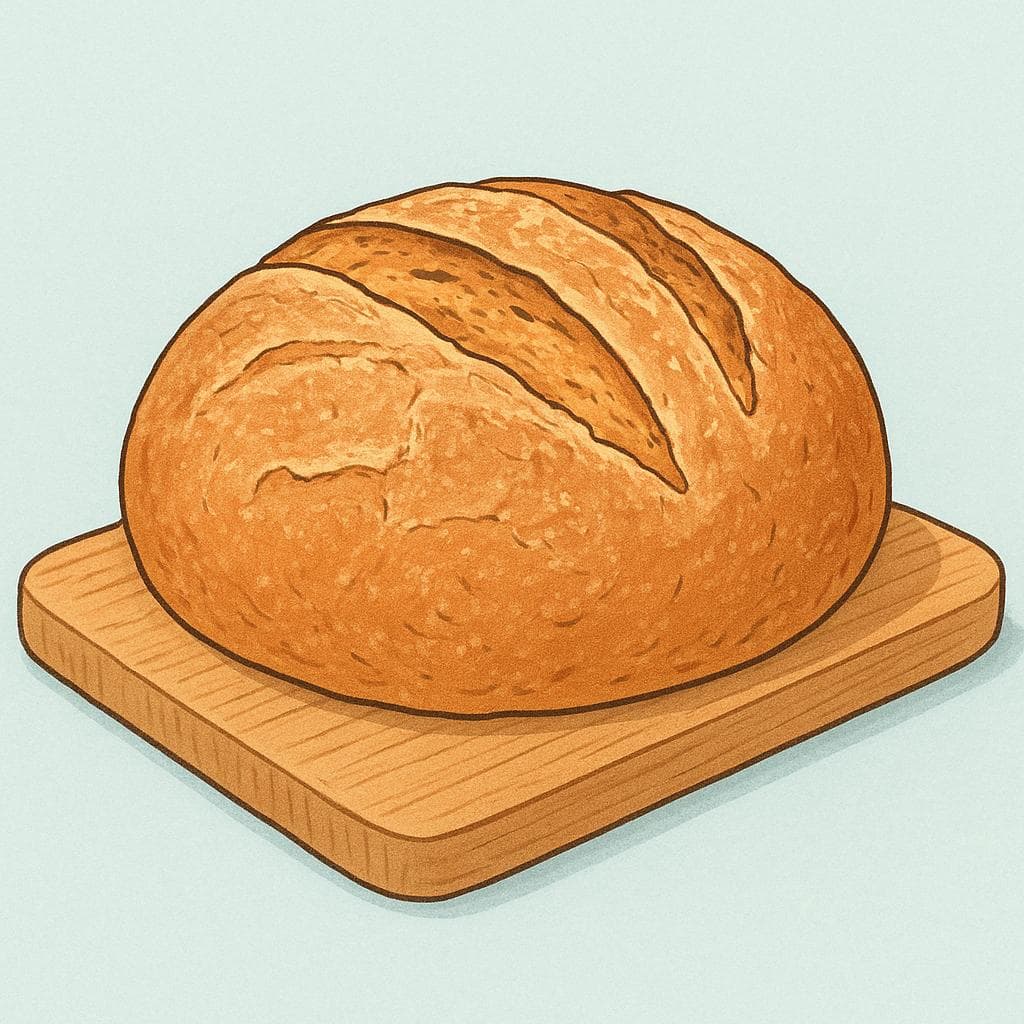
bread
Also: loaf, roll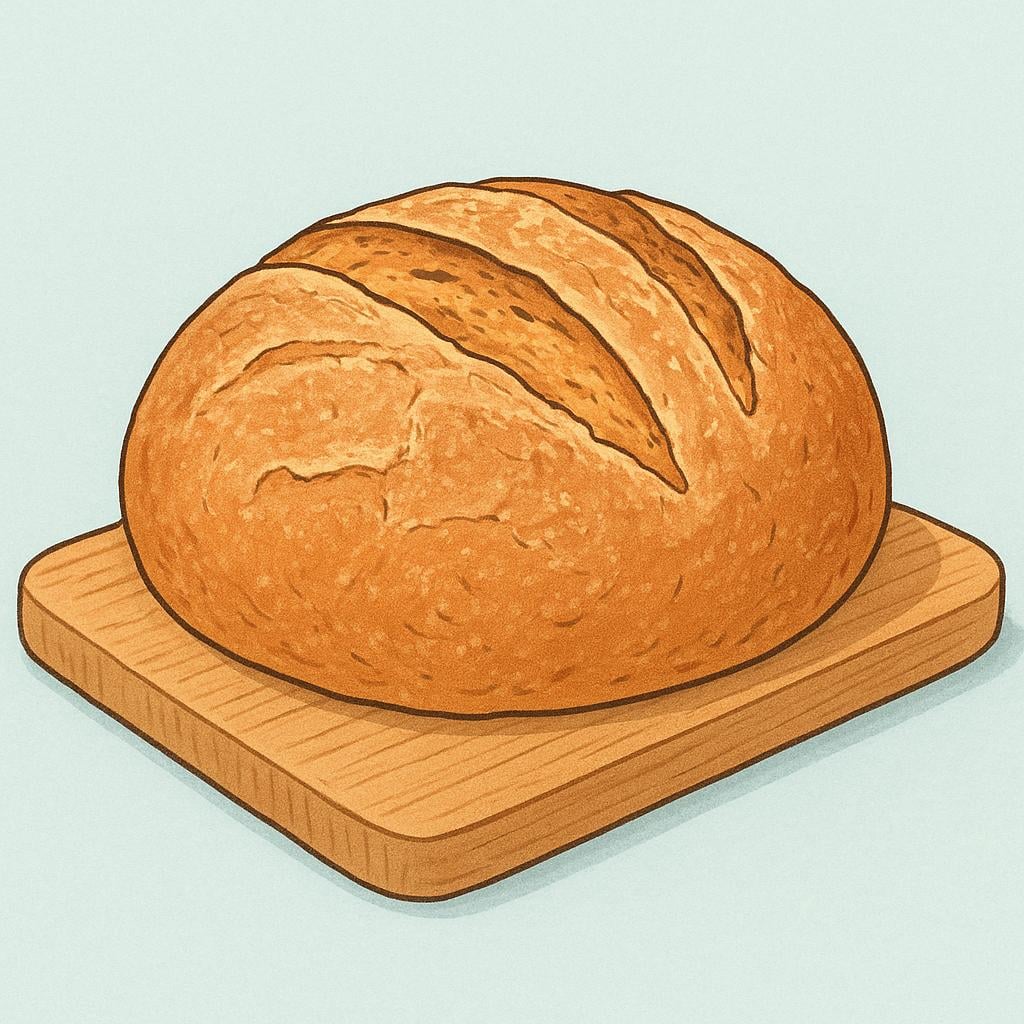
📝 In Action
¿Podemos comprar un poco de pan fresco para la cena?
A1Can we buy some fresh bread for dinner?
Me encanta el pan tostado con mantequilla.
A1I love toast with butter.
En la panadería venden muchos tipos de panes diferentes.
A2They sell many different types of bread at the bakery.
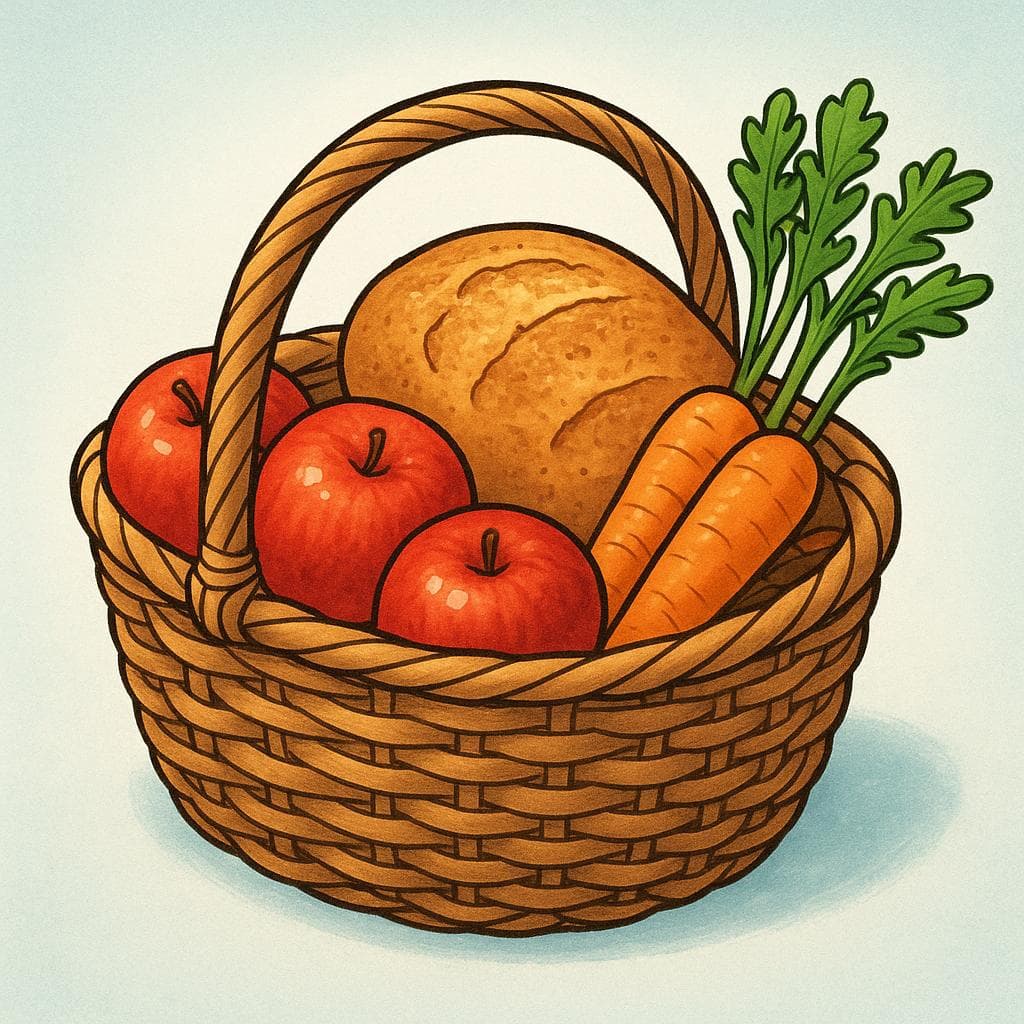
livelihood
Also: sustenance, living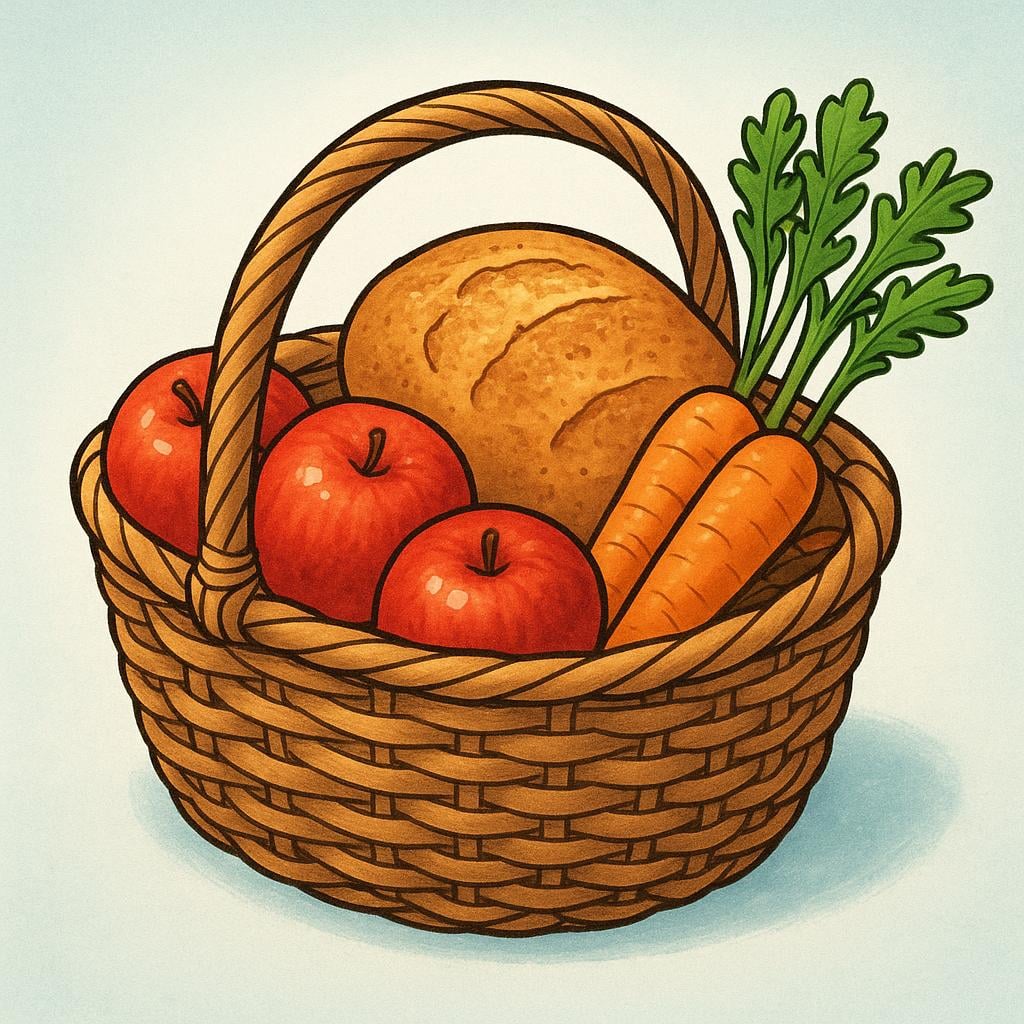
📝 In Action
Trabaja duro para ganarse el pan de cada día.
B2He works hard to earn his daily bread (to earn a living).
No pudieron quitarle el pan de la boca a la familia.
C1They couldn't take the food out of the family's mouth (take away their means of survival).
Translate to Spanish
🗣️ Practice in a Tongue Twister
✏️ Quick Practice
Quick Quiz: pan
Question 1 of 2
Which sentence uses 'pan' to mean basic income or livelihood, rather than the food itself?
📚 More Resources
👥 Word Family▼
📚 Etymology▼
The word comes directly from the Latin word *panis*, which also meant 'bread' and 'food' generally. This ancient root shows why 'pan' is still used today to refer both to the food item and to sustenance itself.
First recorded: Before the 10th century (Common in Old Spanish documents)
Cognates (Related words)
💡 Master Spanish
Take your Spanish to the next level. Read 200+ illustrated and narrated Spanish stories tailored to your level with the Inklingo app!
Frequently Asked Questions
Why is 'pan' masculine (el pan) when many common foods are feminine (la fruta, la leche)?
The gender of 'pan' comes directly from its Latin root, *panis*, which was a masculine word. In Spanish, many basic nouns inherited the gender of their Latin ancestors, regardless of how other food words evolved.
If I want to talk about different types of bread (e.g., rye, sourdough), what is the correct plural?
The correct plural is 'los panes.' You would say 'Me gustan todos los panes de esta tienda' (I like all the breads/types of bread from this store).