pantano
“pantano” means “swamp” in Spanish. It has 3 different meanings depending on context:
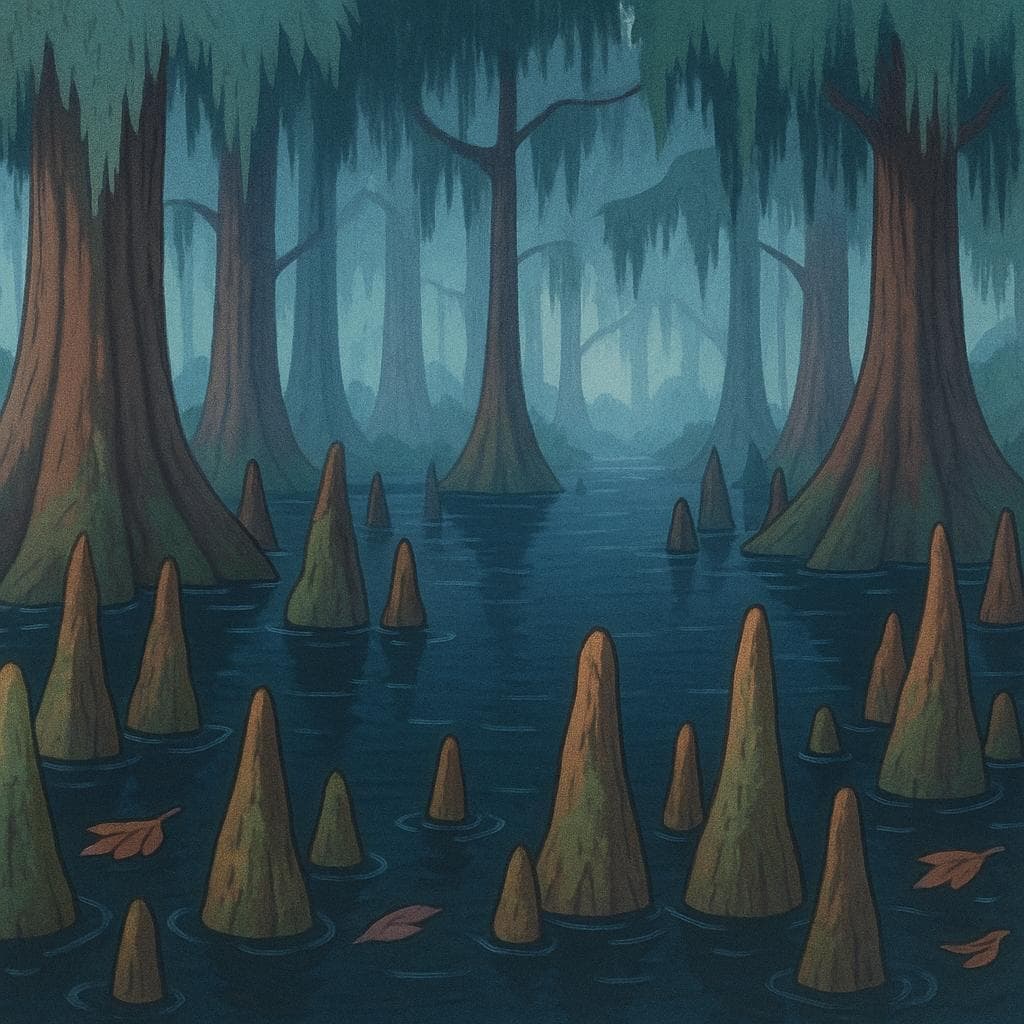
swamp, marsh
Also: mire
📝 In Action
Tuvimos que cruzar el pantano para llegar al río.
B1We had to cross the swamp to get to the river.
La zona costera está llena de pequeños pantanos salados.
B2The coastal area is full of small salt marshes.
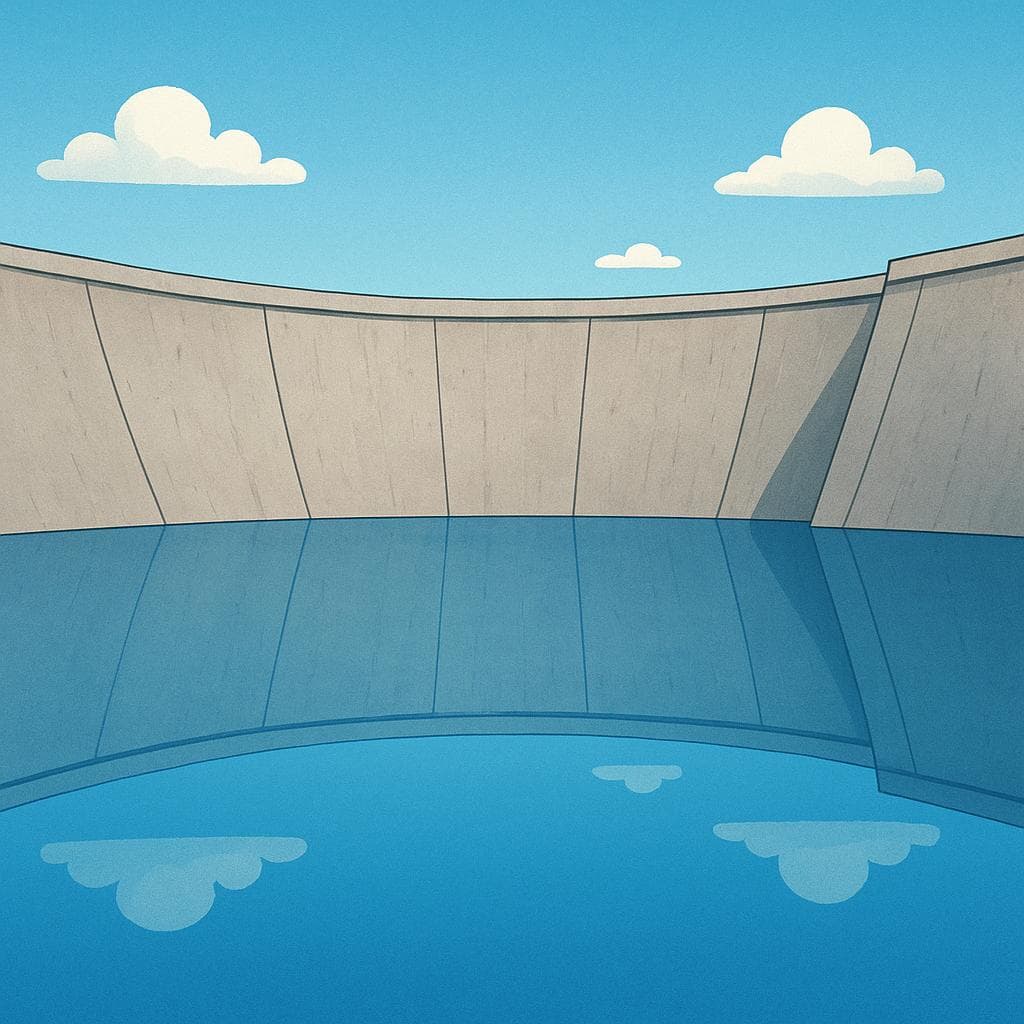
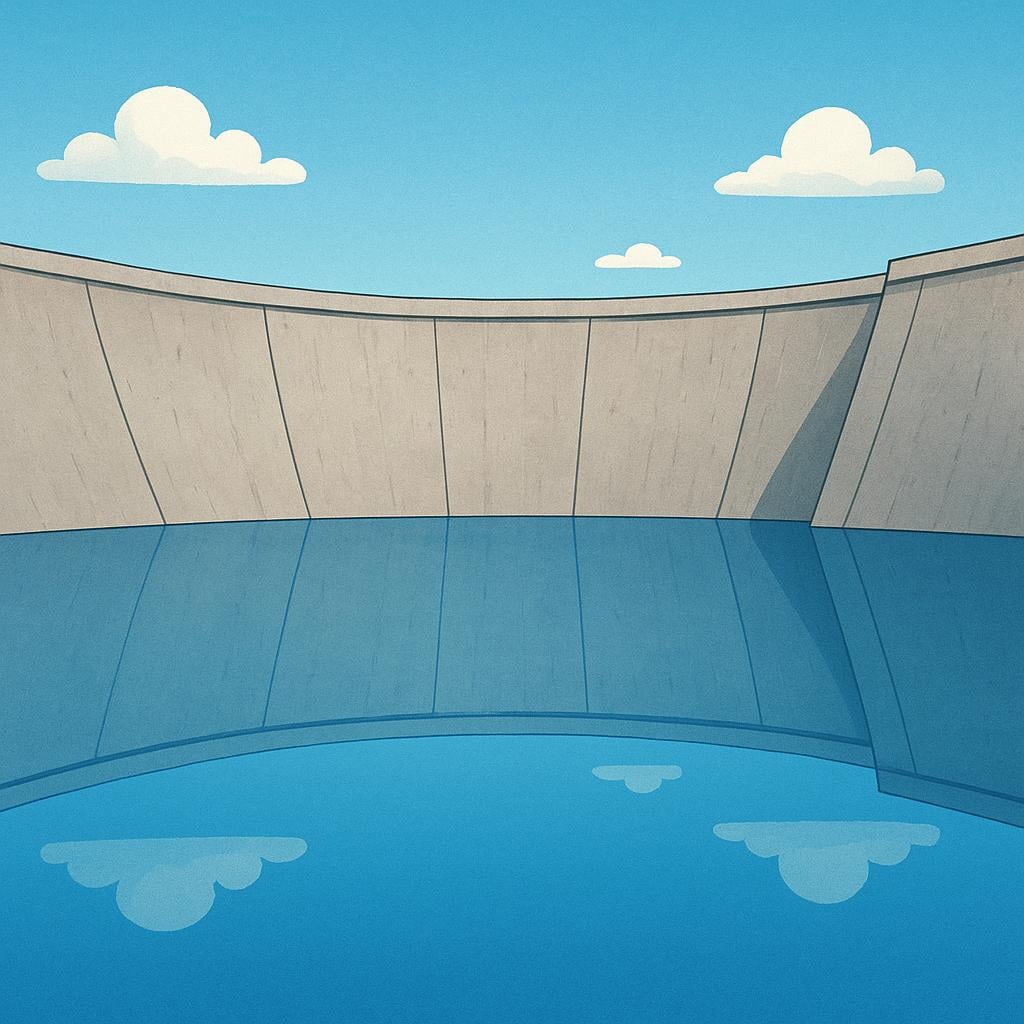
reservoir, dam (artificial lake)
📝 In Action
Fuimos a pescar al pantano que está cerca del pueblo.
B2We went fishing at the reservoir near the town.
El nivel del pantano ha bajado mucho por la sequía.
C1The reservoir level has dropped a lot due to the drought.
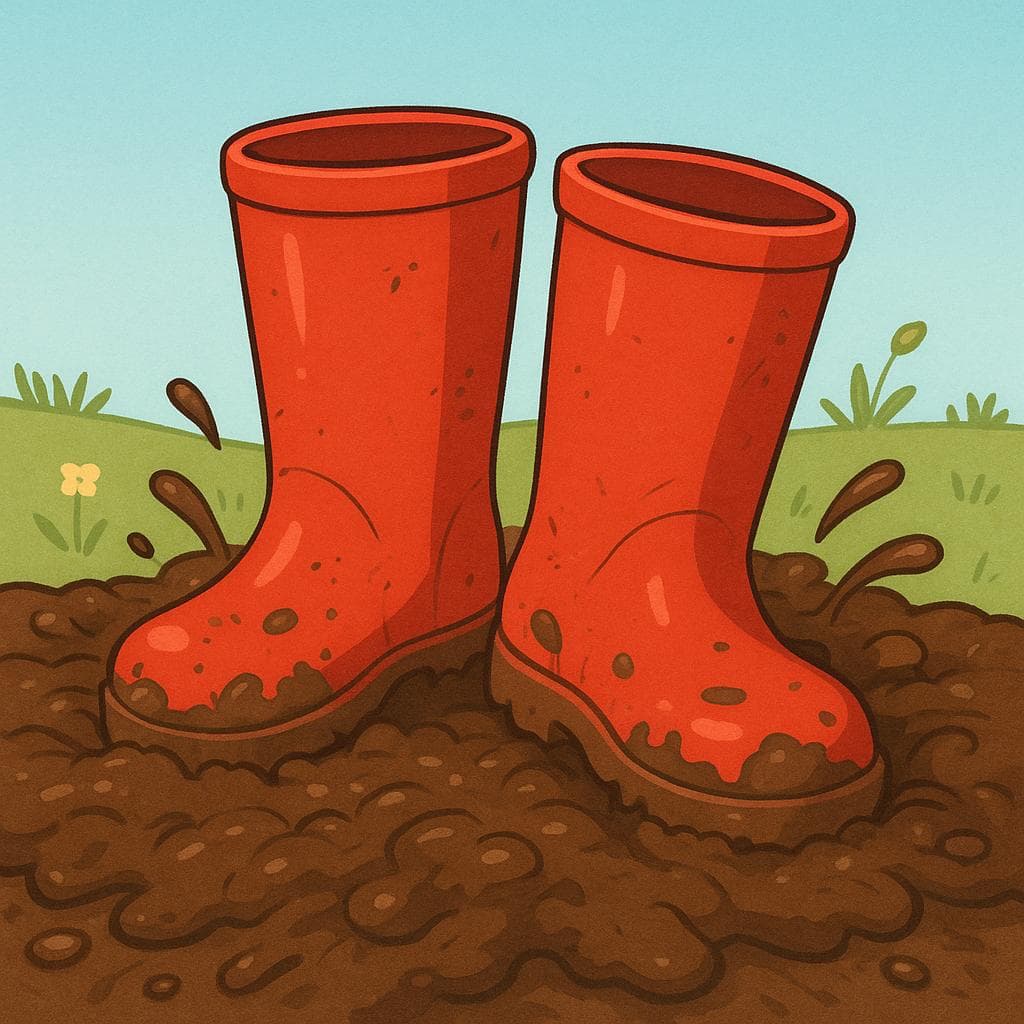
quagmire, mess
Also: bog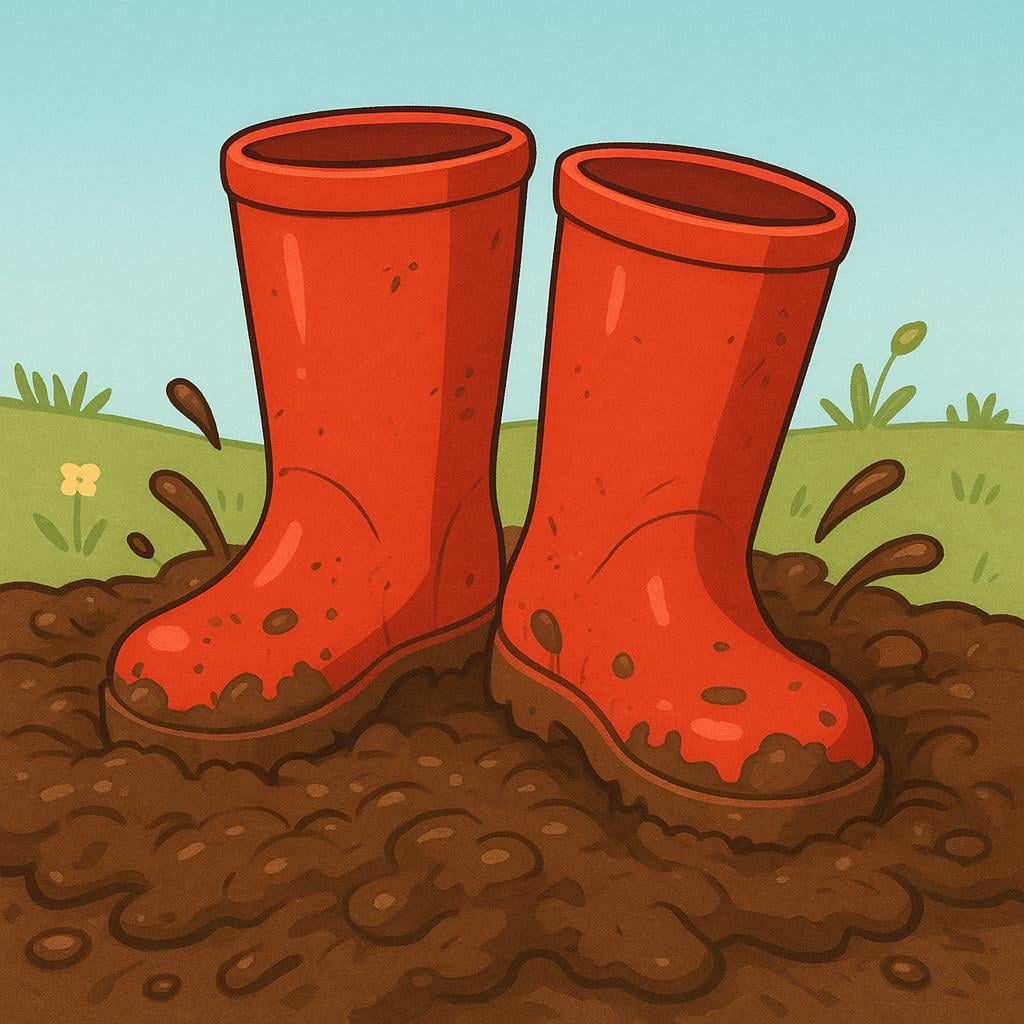
📝 In Action
Las negociaciones se hundieron en un pantano de burocracia.
C1The negotiations sank into a quagmire of bureaucracy.
El escándalo financiero se convirtió en un pantano para el gobierno.
C2The financial scandal became a mess/sticky situation for the government.
Translate to Spanish
✏️ Quick Practice
Quick Quiz: pantano
Question 1 of 1
Which sentence uses 'pantano' in the sense of a man-made water source, common in Spain?
📚 More Resources
👥 Word Family▼
📚 Etymology▼
The word likely comes from a pre-Roman root, possibly linked to the word *fango* (mud) or a related word meaning 'low-lying, muddy ground.' It entered Spanish via Medieval Latin *pantanus*.
First recorded: 13th century
Cognates (Related words)
💡 Master Spanish
Take your Spanish to the next level. Read 200+ illustrated and narrated Spanish stories tailored to your level with the Inklingo app!
Frequently Asked Questions
Is 'pantano' the same as 'ciénaga'?
They are very similar synonyms, both meaning a wet, muddy area. 'Pantano' is often broader and can refer to any large swamp or marsh. 'Ciénaga' sometimes implies a more stagnant or muddy bog, or specifically a coastal marsh in some regions.
Why does 'pantano' have two very different meanings (swamp vs. reservoir)?
The original meaning is 'swamp' or 'muddy ground.' When engineers started building large reservoirs, especially in Spain, they often flooded natural valleys and low-lying areas that were historically called 'pantanos.' Over time, the name stuck to the artificial water body itself, creating the second meaning.