parlamento
“parlamento” means “parliament” in Spanish. It has 2 different meanings depending on context:
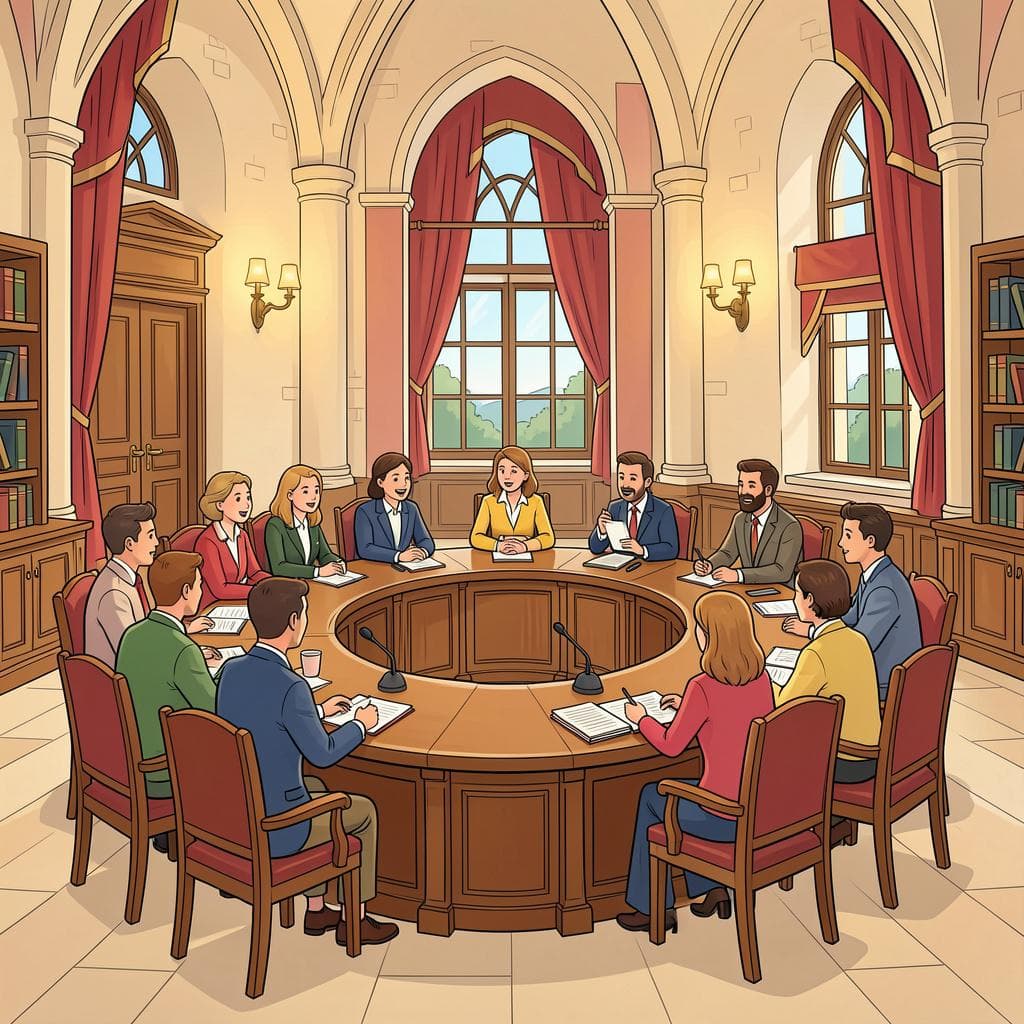

parliament
Also: legislature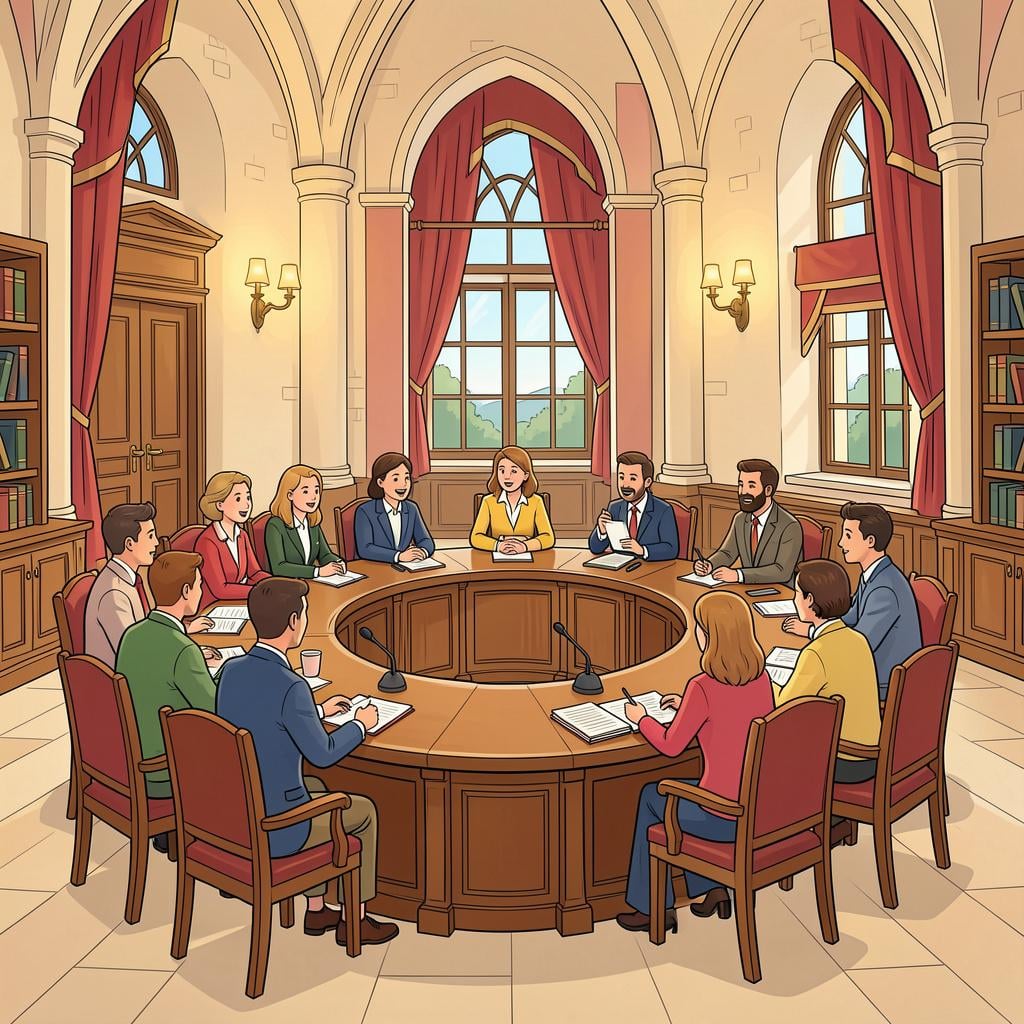
📝 In Action
El parlamento votará sobre la nueva ley mañana.
B1The parliament will vote on the new law tomorrow.
Muchos ciudadanos se reunieron frente al parlamento.
B1Many citizens gathered in front of the parliament building.
lines
Also: monologue
📝 In Action
El actor olvidó su parlamento en el segundo acto.
C1The actor forgot his lines in the second act.
Translate to Spanish
✏️ Quick Practice
Quick Quiz: parlamento
Question 1 of 2
If an actor is practicing his 'parlamento', what is he doing?
📚 More Resources
👥 Word Family▼
📚 Etymology▼
Derived from the verb 'parlar' (to talk), which comes from the Latin 'parabolare'. It literally means 'the result of talking' or 'a place for talking'.
First recorded: 13th century
Cognates (Related words)
💡 Master Spanish
Take your Spanish to the next level. Read 200+ illustrated and narrated Spanish stories tailored to your level with the Inklingo app!
Frequently Asked Questions
Does 'parlamento' always refer to the building?
No, it usually refers to the institution or the group of people who make the laws, though it can also be used to refer to the physical building where they meet.
Is 'parlamento' the same as 'gobierno'?
Not exactly. The 'parlamento' is the group that makes laws, while the 'gobierno' usually refers to the leaders (like the President or Prime Minister) who carry out those laws.