parque
“parque” means “park” in Spanish. It has 2 different meanings depending on context:
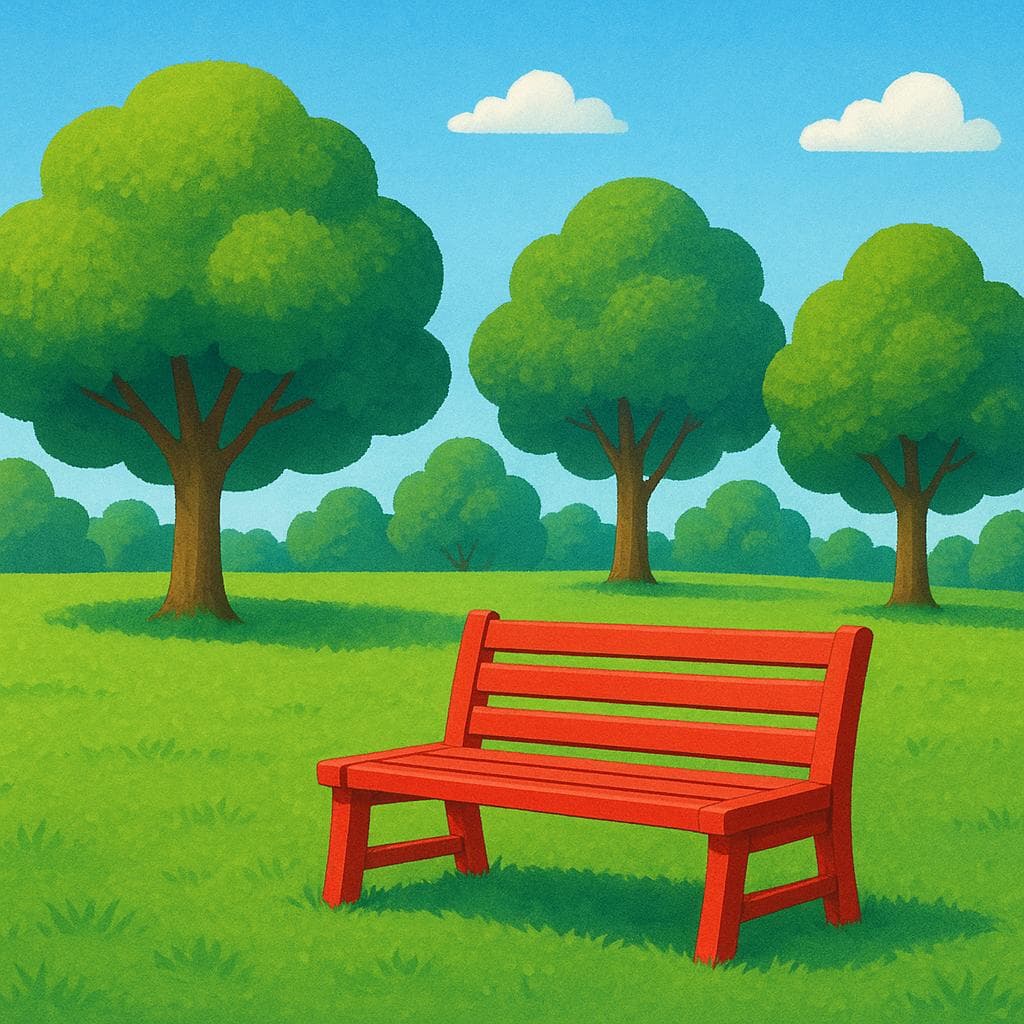
park
Also: garden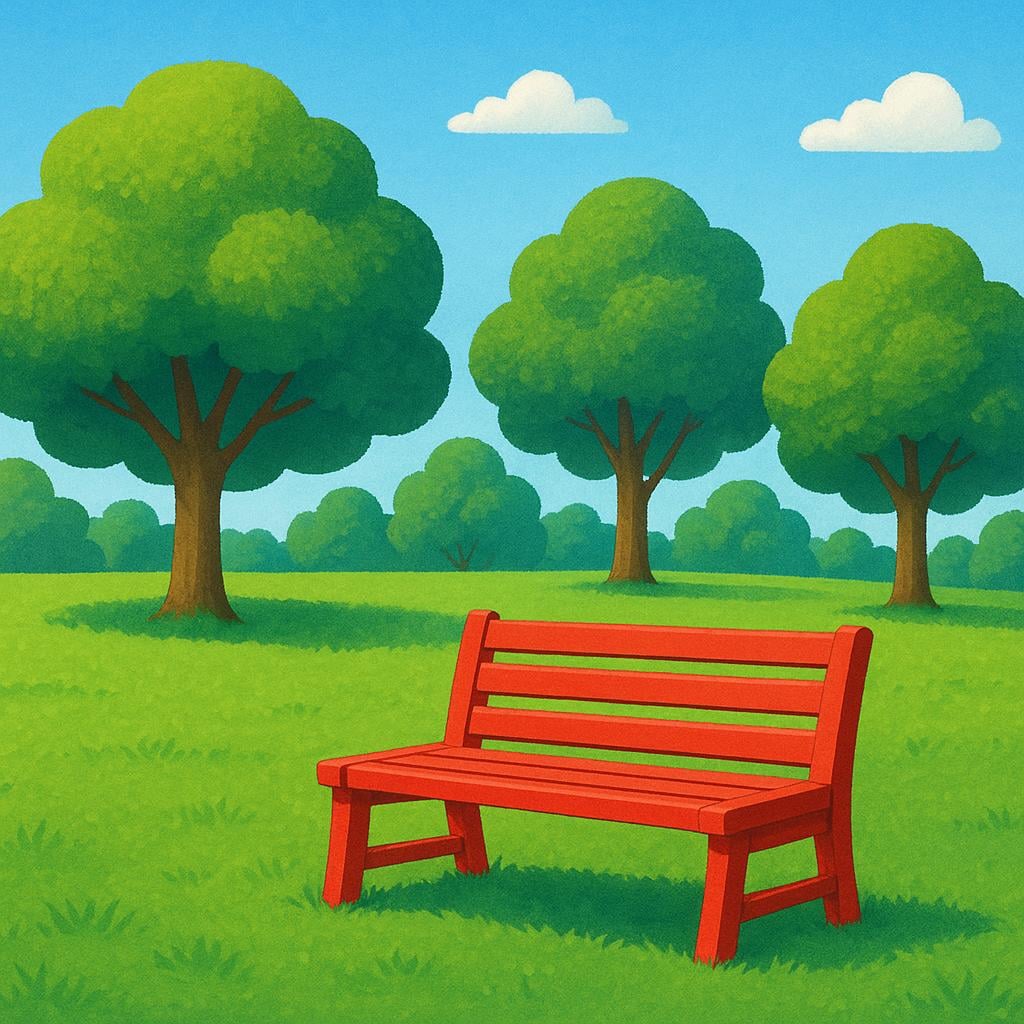
📝 In Action
Vamos al parque a jugar al fútbol.
A1Let's go to the park to play soccer.
El Parque Nacional de Doñana es enorme.
A2Doñana National Park is enormous.
Hay muchos niños en el parque infantil.
A1There are many children in the playground (children's park).
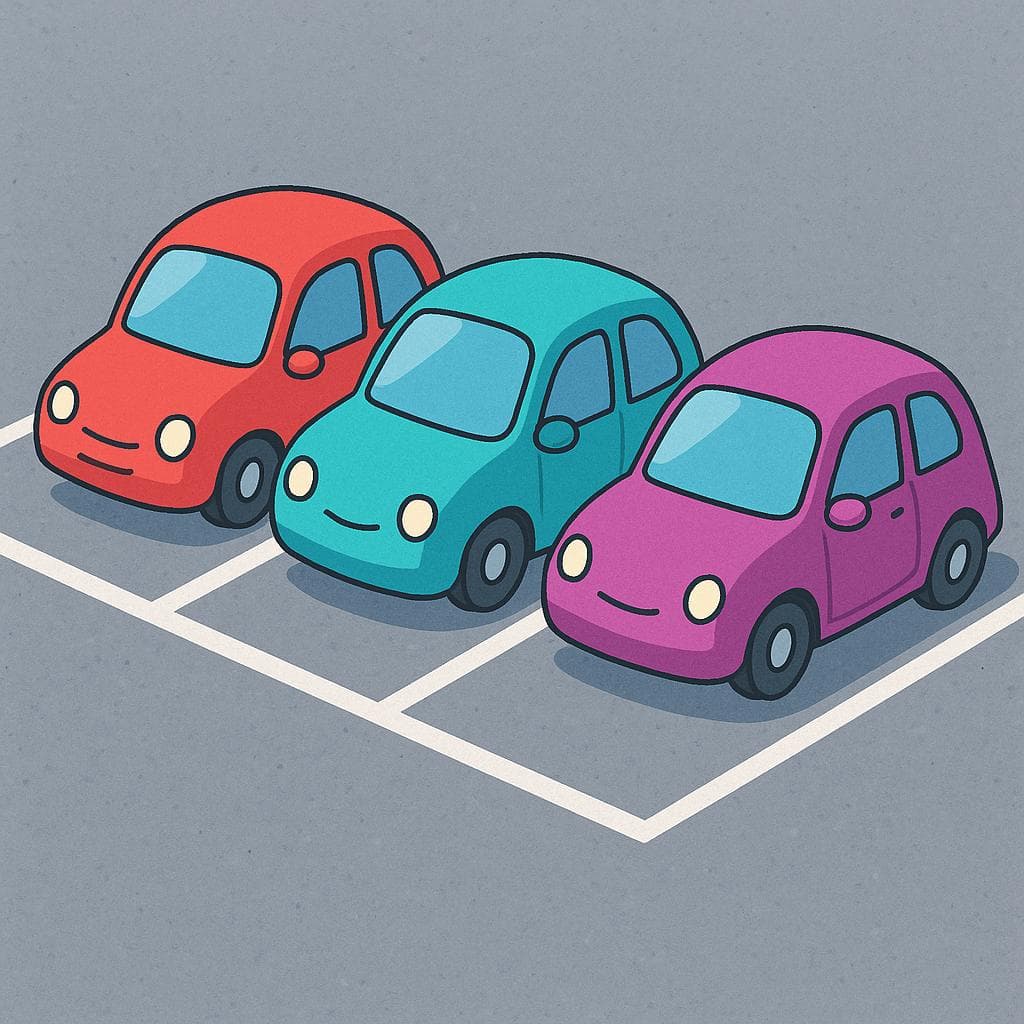
car park, parking lot
Also: parking garage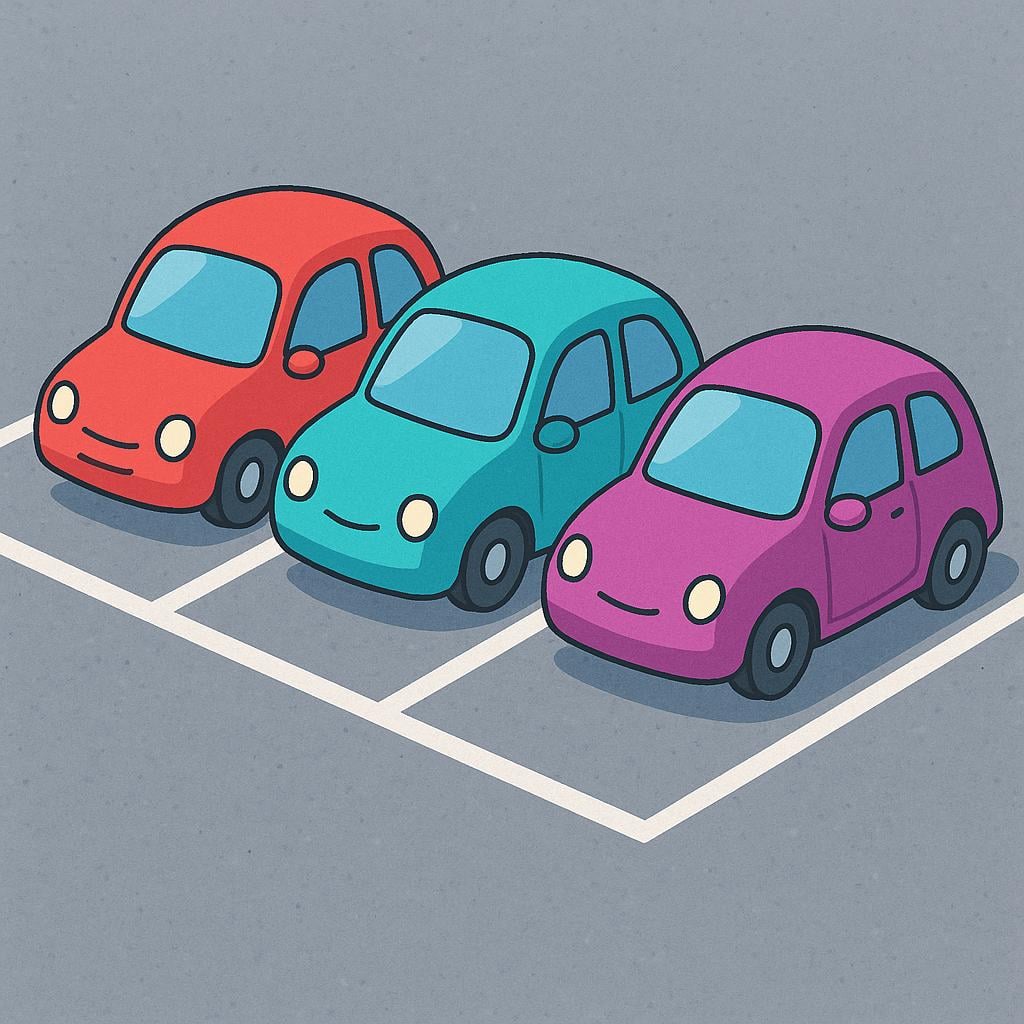
📝 In Action
Dejé mi coche en el parque subterráneo.
B1I left my car in the underground parking garage.
Necesitamos encontrar un parque cerca del centro comercial.
A2We need to find a parking lot near the mall.
Translate to Spanish
✏️ Quick Practice
Quick Quiz: parque
Question 1 of 2
¿Cuál es la traducción más común de 'parque' cuando hablamos de ir a relajarnos al aire libre?
📚 More Resources
👥 Word Family▼
📚 Etymology▼
The Spanish word 'parque' comes from the French word 'parc,' which originally meant 'enclosed ground' or 'private hunting reserve.' Over time, this idea of an enclosed space dedicated to nature or specific activity evolved into the public green space we know today.
First recorded: Medieval period (via French)
Cognates (Related words)
💡 Master Spanish
Take your Spanish to the next level. Read 200+ illustrated and narrated Spanish stories tailored to your level with the Inklingo app!
Frequently Asked Questions
Is 'parque' always masculine?
Yes, 'parque' is always a masculine noun, so you must use the masculine article 'el' (el parque) and any describing words (adjectives) must also be masculine (el parque grande).
How do I say 'theme park' in Spanish?
You use the word 'parque' followed by 'temático' (parque temático). For amusement parks, you can also use 'parque de atracciones'.