pañales
“pañales” means “diapers” in Spanish (US English).
diapers, nappies
Also: early stages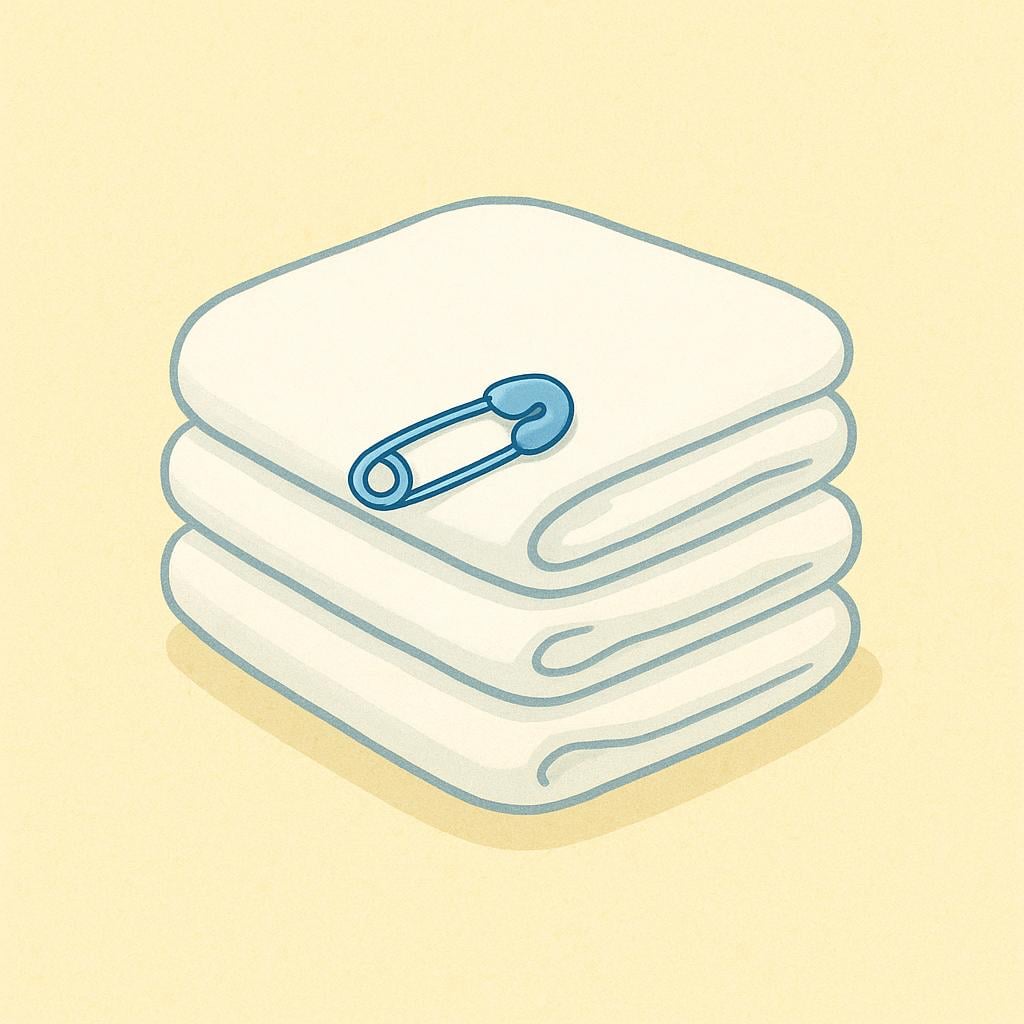
📝 In Action
Necesito comprar una caja de pañales para el bebé.
A1I need to buy a box of diapers for the baby.
Mi hijo ya no usa pañales; ahora usa el baño.
A2My son doesn't wear diapers anymore; he uses the toilet now.
El negocio todavía está en pañales, pero tiene futuro.
B1The business is still in its infancy (early stages), but it has a future.
✏️ Quick Practice
Quick Quiz: pañales
Question 1 of 2
If someone says their new app is 'en pañales,' what do they mean?
📚 More Resources
👥 Word Family▼
🎵 Rhymes▼
📚 Etymology▼
From the word 'paño' (meaning cloth), which comes from the Latin 'pannus,' meaning a piece of cloth or rag.
First recorded: 13th century
Cognates (Related words)
💡 Master Spanish
Take your Spanish to the next level. Read 200+ illustrated and narrated Spanish stories tailored to your level with the Inklingo app!
Frequently Asked Questions
Can 'pañales' be used for adults too?
Yes! While usually associated with babies, it is also the term used for adult absorbent products (pañales para adultos).
Is there a difference between 'pañales' and 'nappies'?
No, they are the same thing. 'Diaper' is the standard American term, and 'nappy' is the standard British term; 'pañales' covers both.