pecados
“pecados” means “sins” in Spanish (moral or religious transgression).
sins
Also: faults, transgressions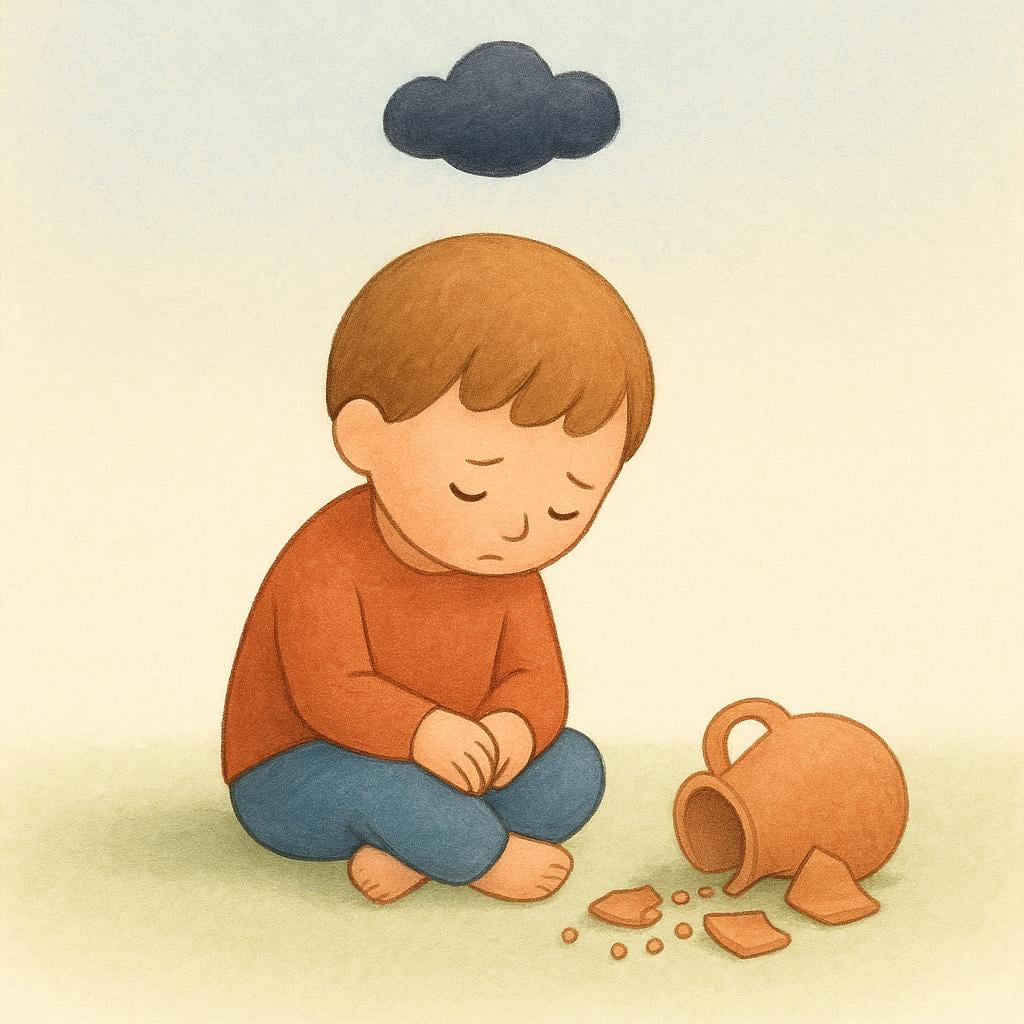
📝 In Action
El sacerdote habló sobre los siete pecados capitales.
B1The priest spoke about the seven deadly sins.
Todos cometemos pecados de vez en cuando; nadie es perfecto.
B2We all commit faults (or make mistakes) from time to time; nobody is perfect.
Sus pecados del pasado le persiguieron toda la vida.
C1His past transgressions haunted him all his life.
Translate to Spanish
✏️ Quick Practice
Quick Quiz: pecados
Question 1 of 1
Which sentence uses 'pecados' in a figurative, non-religious sense?
📚 More Resources
📚 Etymology▼
Comes directly from the Latin word *peccātum*, which means 'a fault, a transgression, or a moral error.' The core concept has remained the same for centuries.
First recorded: 10th century
Cognates (Related words)
💡 Master Spanish
Take your Spanish to the next level. Read 200+ illustrated and narrated Spanish stories tailored to your level with the Inklingo app!
Frequently Asked Questions
What is the difference between 'pecados' and 'errores'?
While both mean 'mistakes,' 'pecados' always implies a moral or ethical failing—something that is fundamentally wrong or against a moral code. 'Errores' are simply regular mistakes, like typos or miscalculations, without that moral weight.