picante
“picante” means “spicy” in Spanish. It has 2 different meanings depending on context:
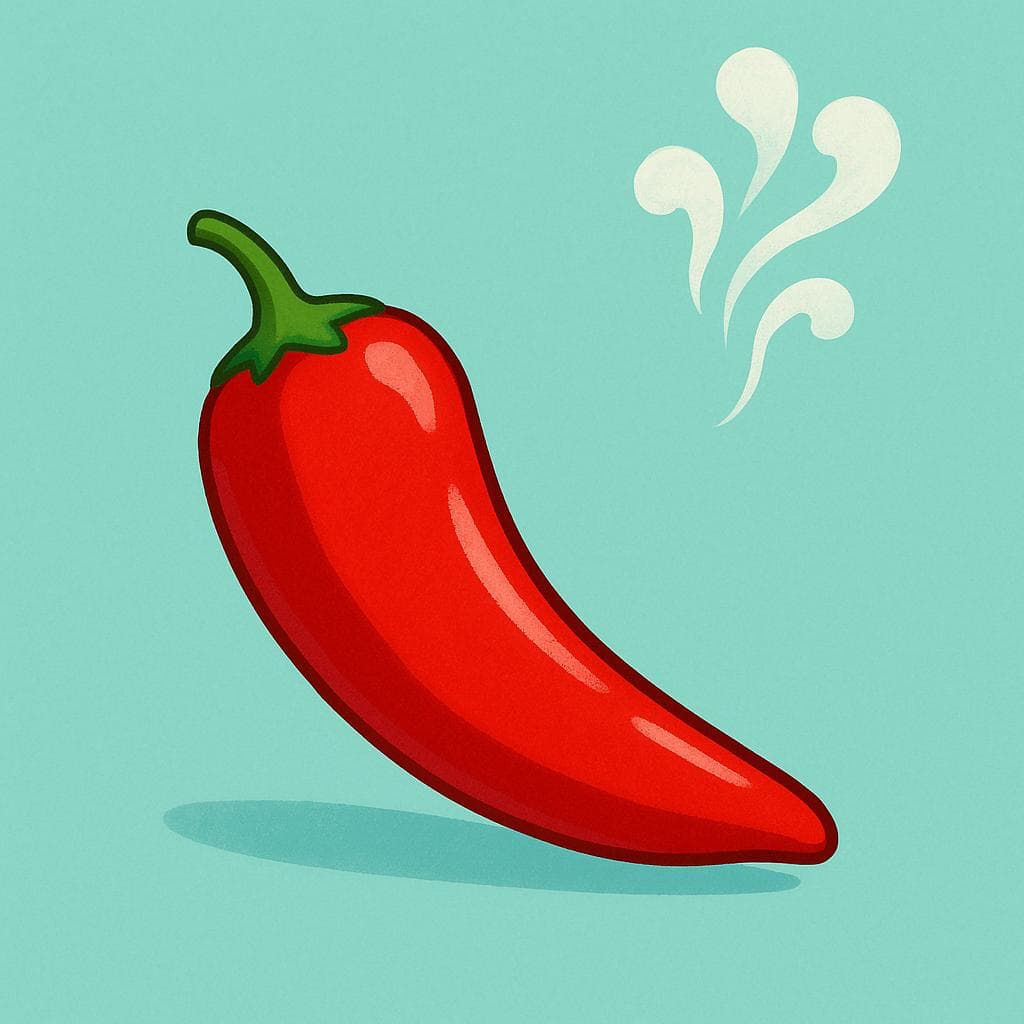

spicy, hot
Also: fiery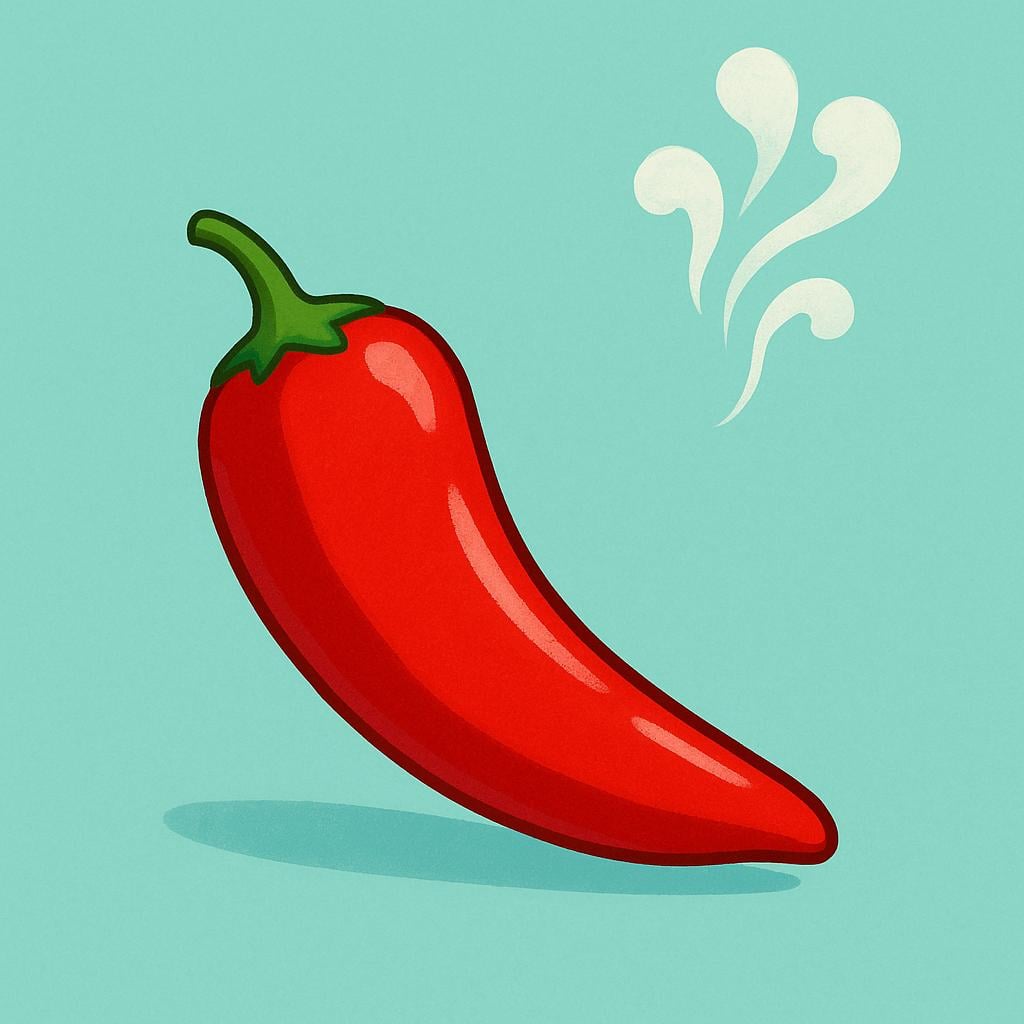
📝 In Action
Esta salsa roja es demasiado picante para mí.
A1This red sauce is too spicy for me.
Compramos unos tacos muy picantes en el mercado.
A2We bought some very hot tacos at the market.
racy, risqué
Also: naughty, sharp
📝 In Action
El comediante contó un chiste muy picante sobre política.
B1The comedian told a very racy joke about politics.
Su comentario fue un poco picante y ofendió a algunos invitados.
B2His comment was a little sharp/suggestive and offended some guests.
Translate to Spanish
✏️ Quick Practice
Quick Quiz: picante
Question 1 of 2
Which sentence uses 'picante' in its figurative (non-food) sense?
📚 More Resources
👥 Word Family▼
📚 Etymology▼
The word 'picante' comes directly from the verb 'picar' (to sting, to pierce, to prick). Its meaning evolved because spicy foods feel like they are 'stinging' your tongue.
First recorded: 15th century
Cognates (Related words)
💡 Master Spanish
Take your Spanish to the next level. Read 200+ illustrated and narrated Spanish stories tailored to your level with the Inklingo app!
Frequently Asked Questions
What is the difference between 'picante' and 'caliente'?
'Picante' describes a strong, burning flavor, like chili. 'Caliente' describes high temperature, like hot coffee or a hot day.
Does 'picante' change its ending for masculine and feminine nouns?
No. 'Picante' is gender-neutral in the singular, so you use it for both masculine nouns ('el plato picante') and feminine nouns ('la salsa picante'). It only changes to 'picantes' in the plural.