piedra
“piedra” means “stone” in Spanish. It has 2 different meanings depending on context:
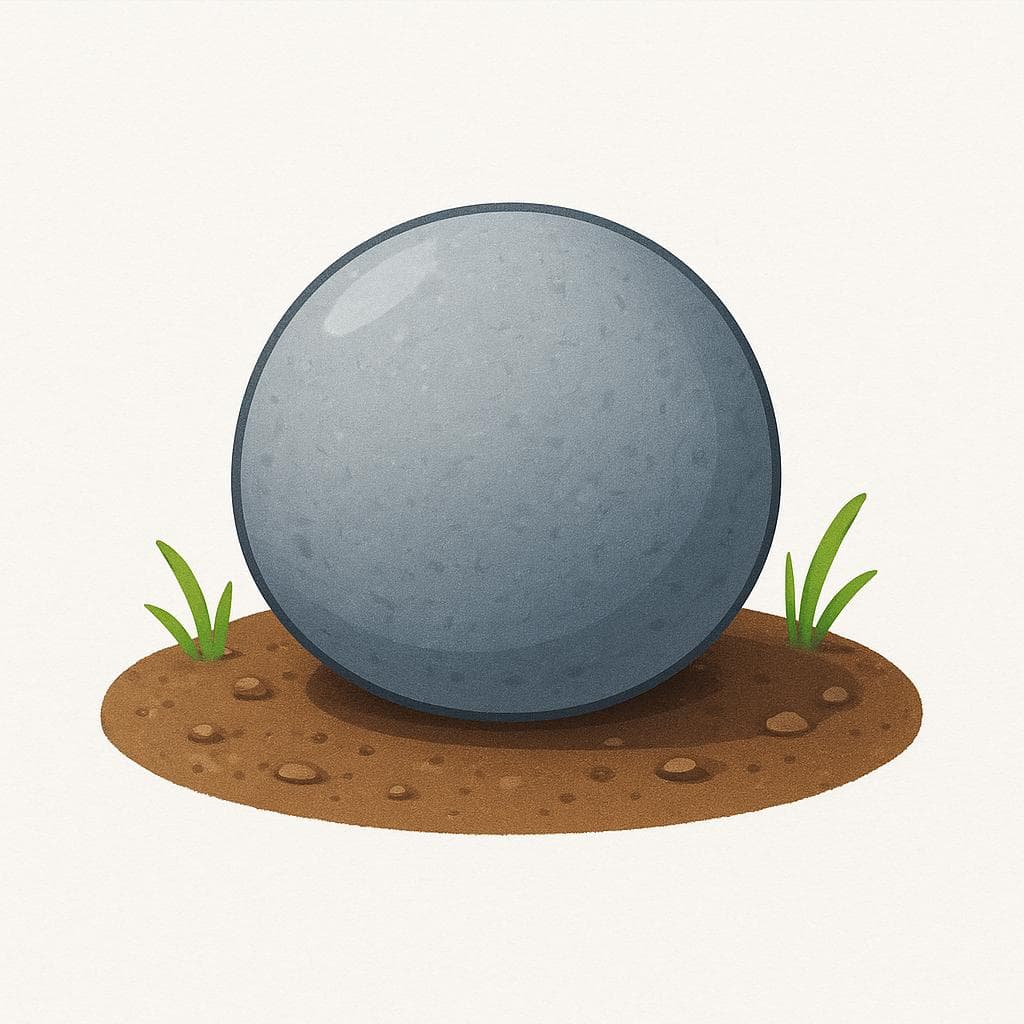

stone
Also: rock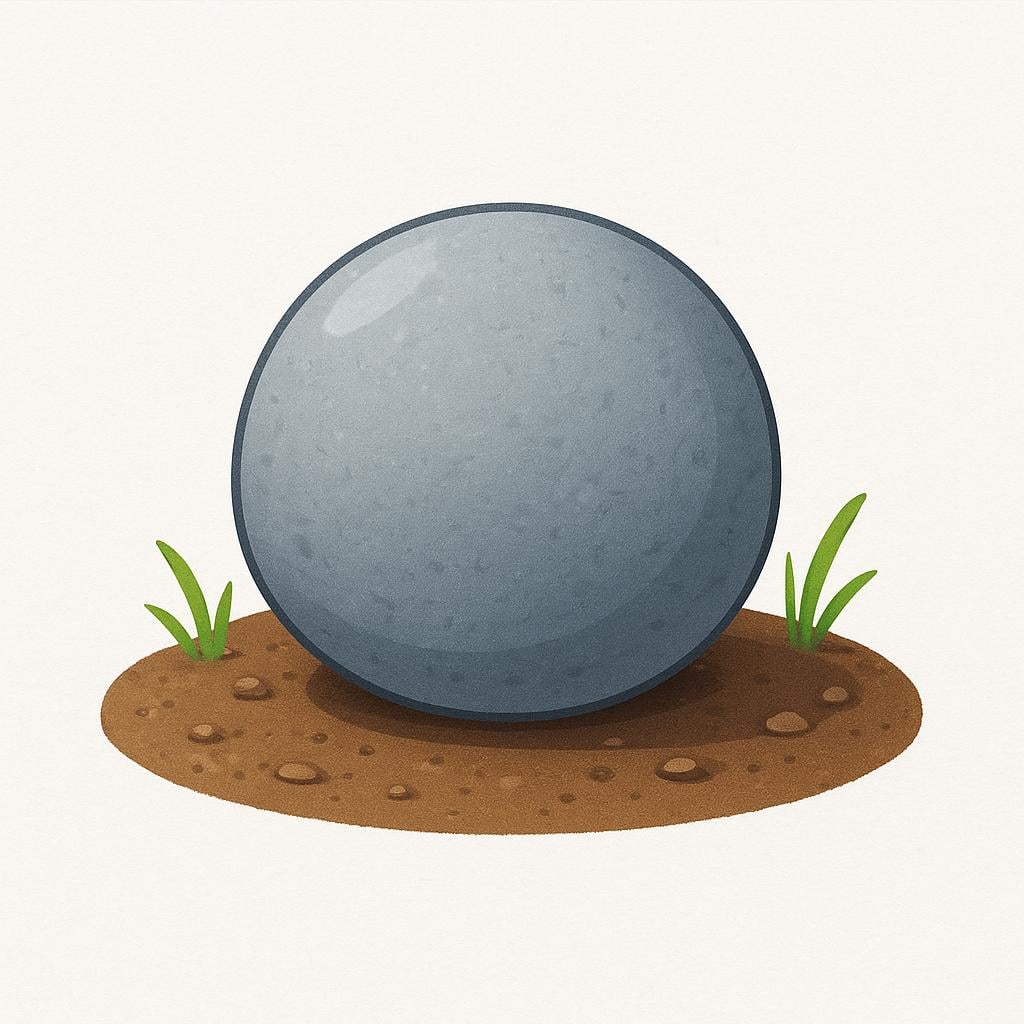
📝 In Action
Lanzó una pequeña piedra al río para hacer ondas.
A1She threw a small stone into the river to make ripples.
Esta pared está hecha de piedra antigua.
A2This wall is made of ancient rock.
El camino estaba lleno de piedras sueltas.
A1The road was full of loose stones.
gemstone, grit
Also: gallstone / kidney stone, flint
📝 In Action
Le regaló un anillo con una piedra preciosa.
B1He gave her a ring with a precious gemstone.
El doctor dijo que tengo una piedra en el riñón.
B2The doctor said I have a kidney stone.
Tuvimos que usar una piedra de mechero para encender la fogata.
B1We had to use a lighter flint to start the campfire.
✏️ Quick Practice
Quick Quiz: piedra
Question 1 of 2
¿Cuál es la mejor traducción de la frase: 'Se quedó de piedra cuando escuchó la noticia'?
📚 More Resources
👥 Word Family▼
🎵 Rhymes▼
📚 Etymology▼
Comes from the Latin word *petra*, which also meant 'stone' or 'rock.' It is a very old word that has stayed consistent across many related European languages.
First recorded: 10th century (in Romance languages)
Cognates (Related words)
💡 Master Spanish
Take your Spanish to the next level. Read 200+ illustrated and narrated Spanish stories tailored to your level with the Inklingo app!
Frequently Asked Questions
¿Is there a difference between 'piedra' and 'roca'?
Yes, generally. 'Piedra' is the versatile word for stones, pebbles, or small/medium chunks of rock. 'Roca' usually refers to large geological formations, boulders, or the material that makes up a mountain.
How do I describe someone as being unemotional using this word?
You can use the phrase 'tener un corazón de piedra' (to have a heart of stone), meaning they are cold, hard-hearted, or lack feeling.