piel
“piel” means “skin” in Spanish. It has 2 different meanings depending on context:
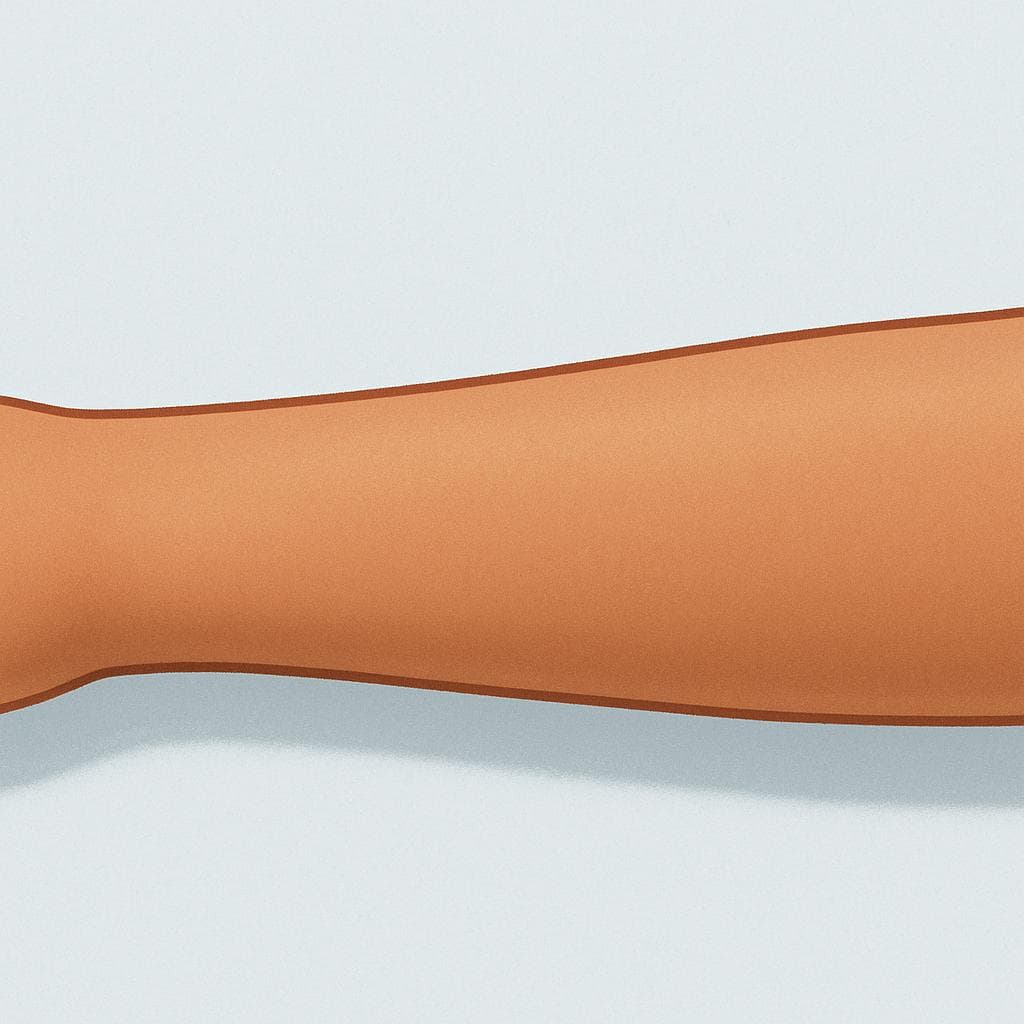

skin
Also: complexion
📝 In Action
Debes proteger tu piel del sol en verano.
A1You must protect your skin from the sun in summer.
El doctor revisó la piel para ver si había alguna alergia.
A2The doctor checked the skin to see if there was any allergy.
Se me puso la piel de gallina cuando escuché esa canción.
B1I got goosebumps when I heard that song. (Literally: My skin became chicken skin)
leather
Also: hide
📝 In Action
Las botas de piel son muy duraderas, pero caras.
B1Leather boots are very durable, but expensive.
Prefiero los muebles de piel sintética.
B2I prefer synthetic leather furniture.
🔀 Commonly Confused With
Translate to Spanish
✏️ Quick Practice
Quick Quiz: piel
Question 1 of 2
Which sentence correctly uses 'piel' to mean 'leather'?
📚 More Resources
👥 Word Family▼
🎵 Rhymes▼
📚 Etymology▼
Comes from the Latin word *pellis*, which meant 'animal hide' or 'skin.' This Latin root gave rise to words for coverings and hides in several Romance languages.
First recorded: 13th century
Cognates (Related words)
💡 Master Spanish
Take your Spanish to the next level. Read 200+ illustrated and narrated Spanish stories tailored to your level with the Inklingo app!
Frequently Asked Questions
Does 'piel' ever mean 'fur'?
Yes, 'piel' can sometimes be used to refer to the fur or hide of an animal, especially when talking about textiles (e.g., 'ropa de piel' can mean fur clothing). However, the word 'pelo' (hair/fur) or 'pelaje' (coat) is more precise for the hair itself.
How is 'piel' different from 'cáscara' or 'corteza'?
'Piel' refers specifically to the covering of a person or animal. 'Cáscara' is the shell or peel of a fruit or egg. 'Corteza' is the bark of a tree or the crust of bread.