piezas
“piezas” means “pieces” in Spanish. It has 2 different meanings depending on context:
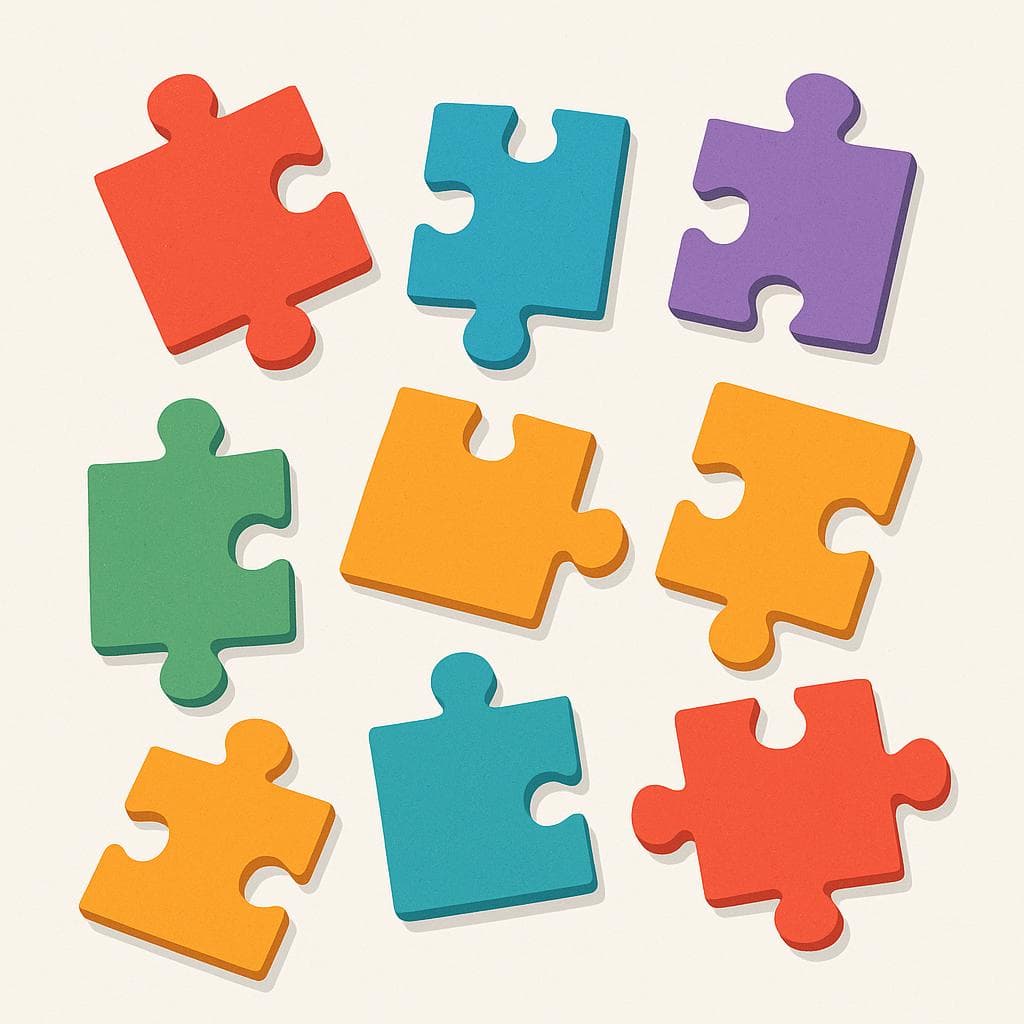
pieces, parts
Also: components, units
📝 In Action
Faltan dos piezas para terminar el mueble.
A1Two pieces are missing to finish the furniture.
Compré piezas de repuesto para el coche.
A2I bought replacement parts for the car.
rooms
Also: chambers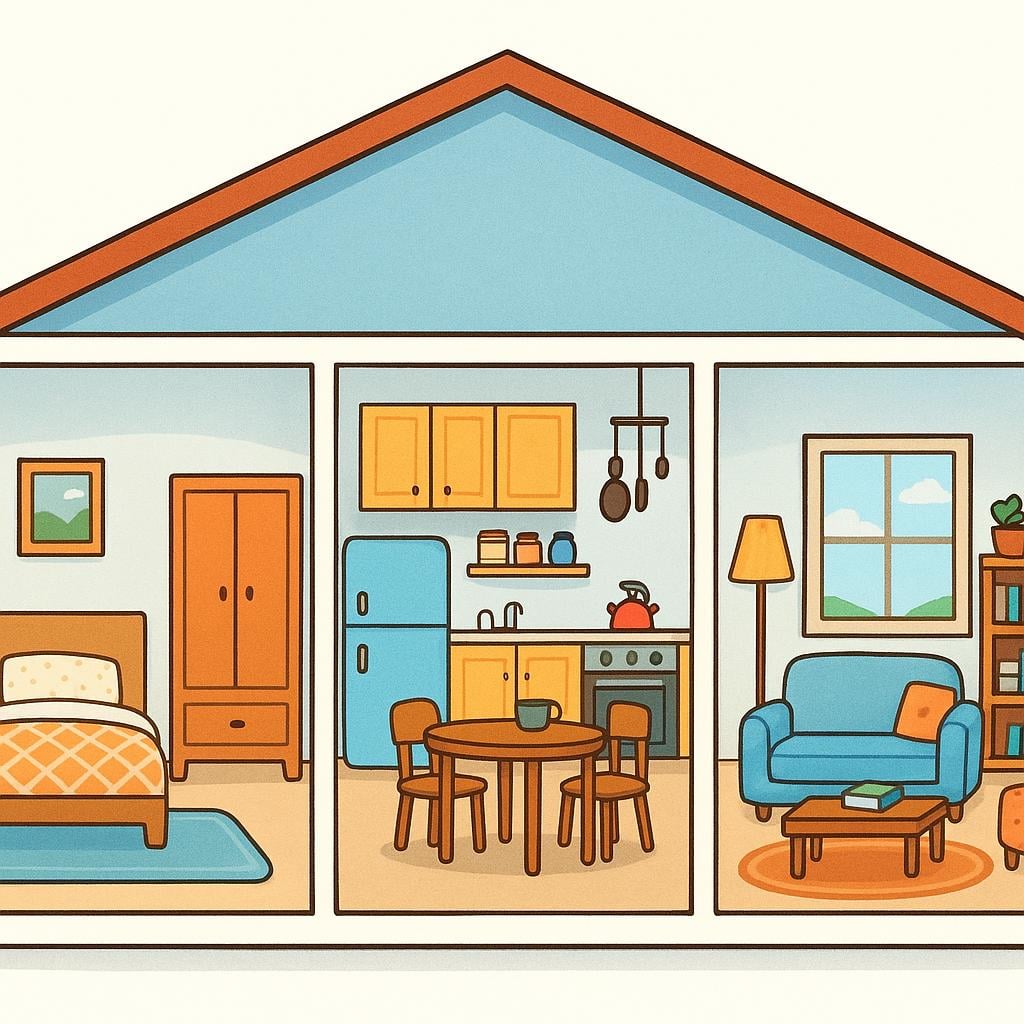
📝 In Action
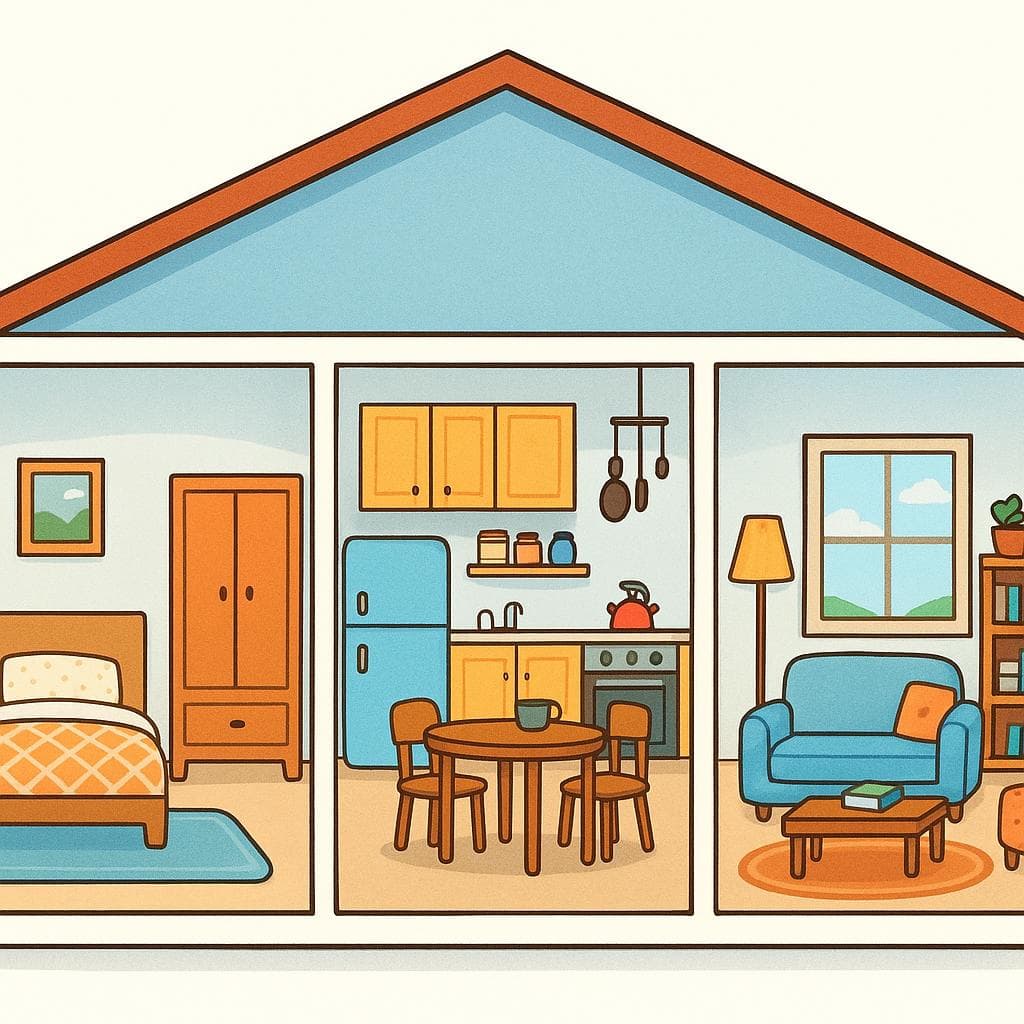
Alquilé un piso de tres piezas en el centro.
B1I rented a three-room apartment downtown.
Todas las piezas de la casa son muy luminosas.
B1All the rooms in the house are very bright.
Translate to Spanish
✏️ Quick Practice
Quick Quiz: piezas
Question 1 of 1
Which sentence uses 'piezas' in the context of architecture or housing?
📚 More Resources
👥 Word Family▼
🎵 Rhymes▼
📚 Etymology▼
The word comes from the Vulgar Latin term *pettia*, which itself likely has roots in an ancient Celtic language of Gaul. It originally meant 'a portion' or 'a bit,' emphasizing the idea of a defined section cut from a larger whole.
First recorded: 11th century (as 'peça' in Old Spanish)
Cognates (Related words)
💡 Master Spanish
Take your Spanish to the next level. Read 200+ illustrated and narrated Spanish stories tailored to your level with the Inklingo app!
Frequently Asked Questions
When should I use 'piezas' versus 'partes'?
Both mean 'parts,' but 'piezas' often refers to a standardized, specific, or manufactured component (like a puzzle piece or a car part). 'Partes' is broader and can refer to any section or portion of something (like 'la parte de atrás' — the back part).