pintura
“pintura” means “paint” in Spanish. It has 3 different meanings depending on context:
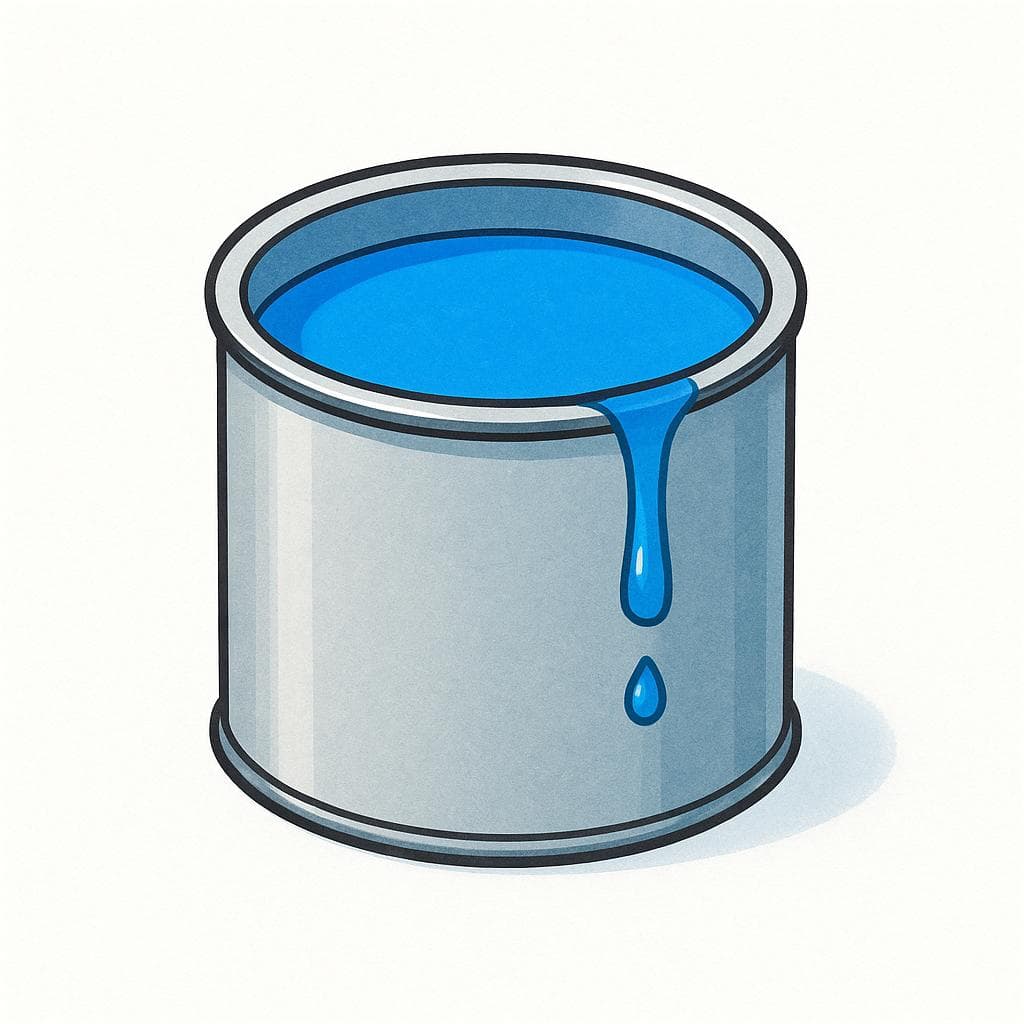
paint
Also: coating
📝 In Action
Necesitamos comprar más pintura azul para terminar la pared.
A1We need to buy more blue paint to finish the wall.
Esta pintura es a base de agua y seca muy rápido.
A2This paint is water-based and dries very quickly.
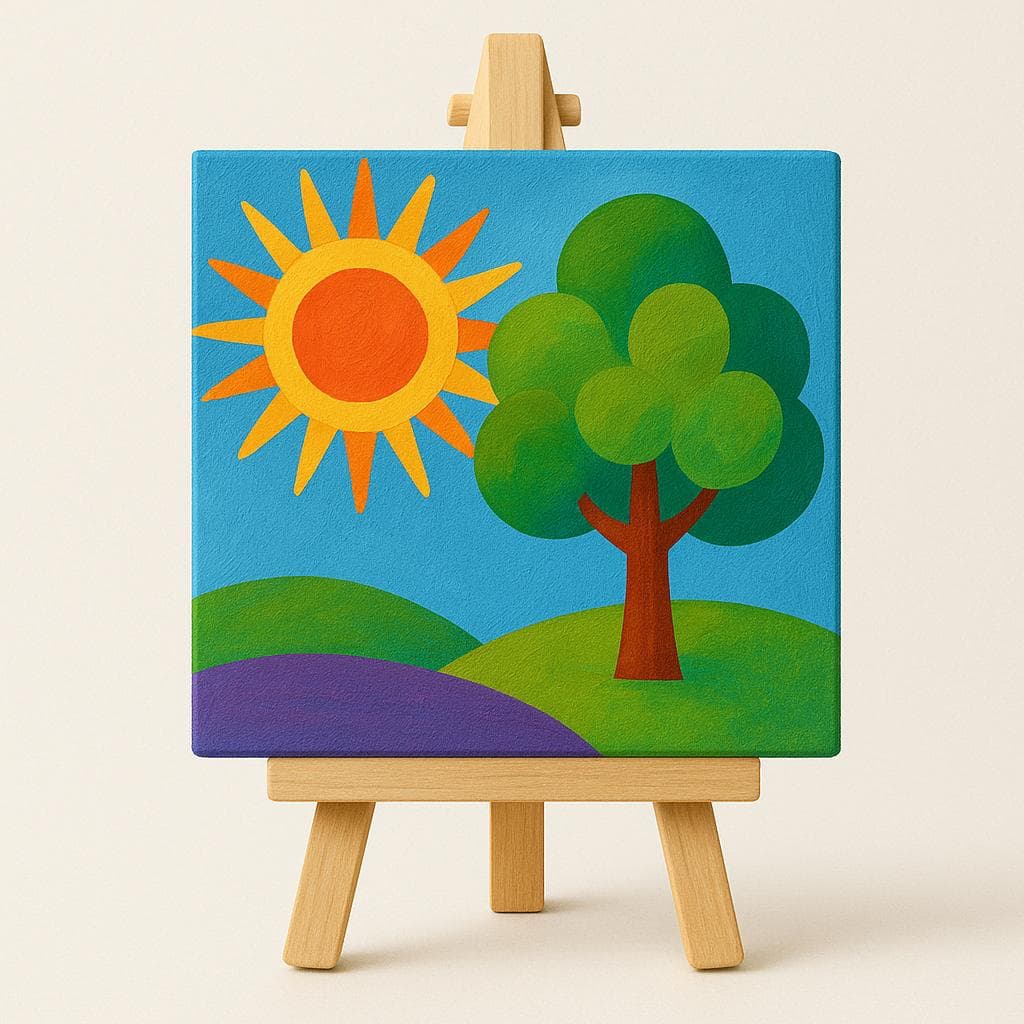
painting, picture
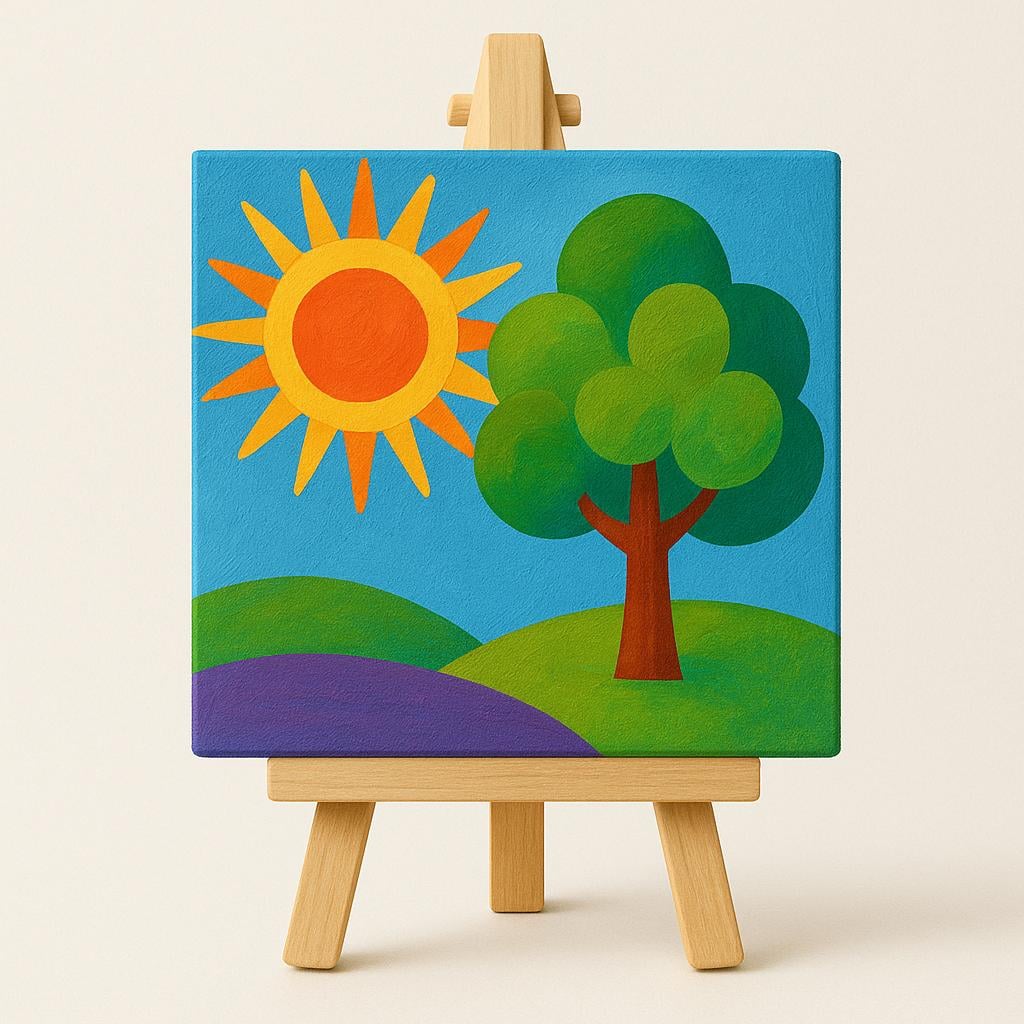
📝 In Action
Fuimos al museo a ver la nueva colección de pinturas.
A2We went to the museum to see the new collection of paintings.
Esta pintura abstracta es mi favorita.
B1This abstract painting is my favorite.
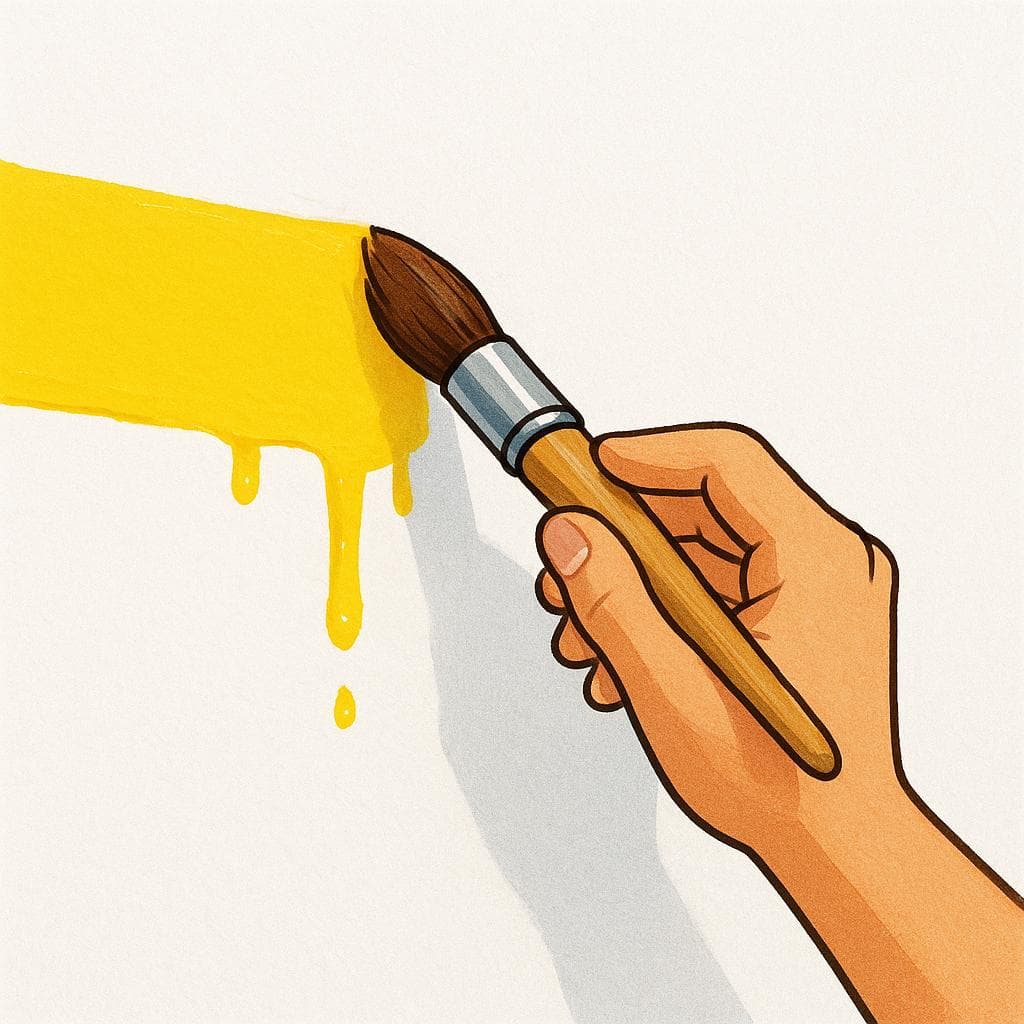
painting
Also: make-up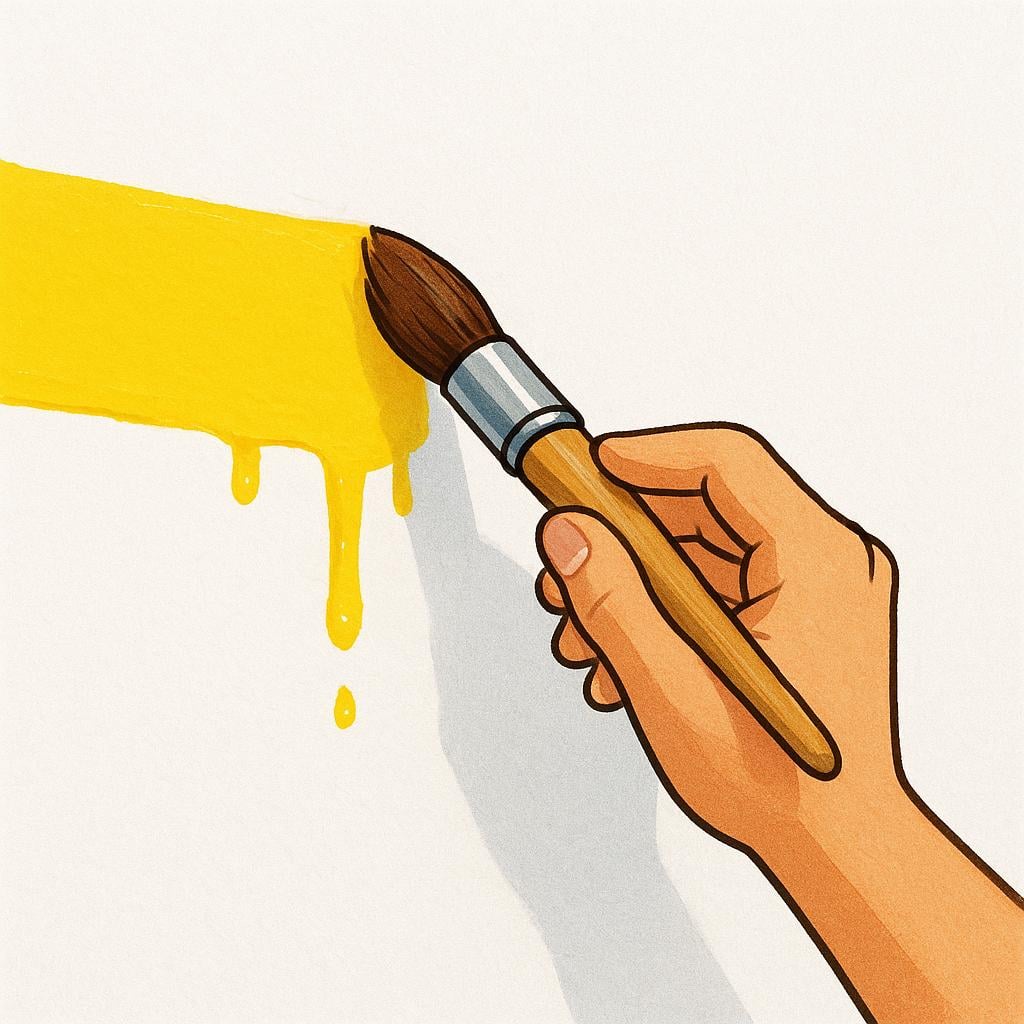
📝 In Action
La pintura del coche es muy costosa.
B1The painting (job) of the car is very expensive.
Contrataron a un equipo para la pintura exterior de la escuela.
B2They hired a team for the exterior painting of the school.
Translate to Spanish
✏️ Quick Practice
Quick Quiz: pintura
Question 1 of 1
Which sentence uses 'pintura' to mean the finished artwork, not the substance?
📚 More Resources
👥 Word Family▼
📚 Etymology▼
The word comes from the Latin term *pictūra*, which meant 'the act of painting' or 'a picture'. It shares a root with 'picture' and 'pictorial' in English, showing its long history tied to image-making.
First recorded: 13th century
Cognates (Related words)
💡 Master Spanish
Take your Spanish to the next level. Read 200+ illustrated and narrated Spanish stories tailored to your level with the Inklingo app!
Frequently Asked Questions
How is 'pintura' different from 'cuadro'?
'Pintura' is the general term for the art form or the substance (paint). 'Cuadro' specifically refers to a framed picture or painting, usually hanging on a wall.
Does 'pintura' ever mean make-up?
Yes, but rarely and mostly in older or informal contexts. The common, modern word for make-up or cosmetics is 'maquillaje'.