pito
“pito” means “whistle” in Spanish. It has 4 different meanings depending on context:
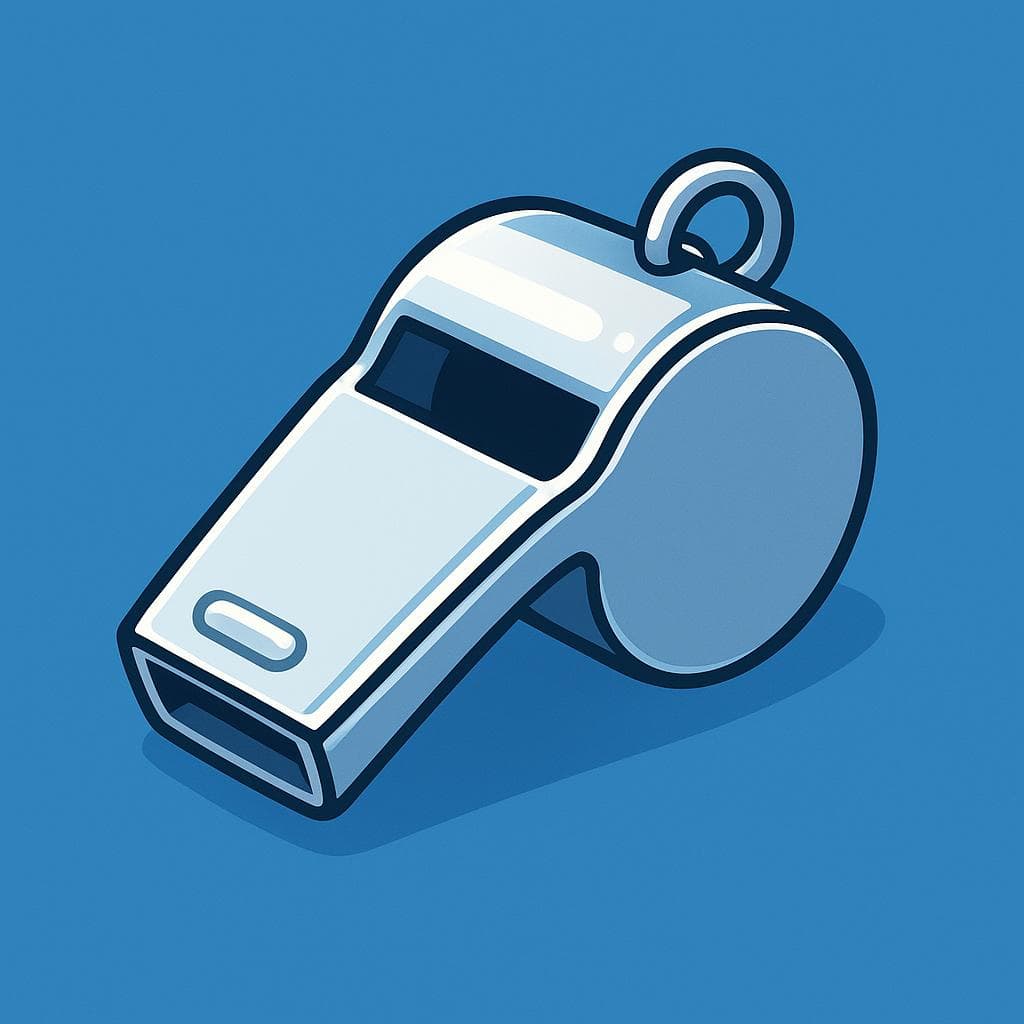
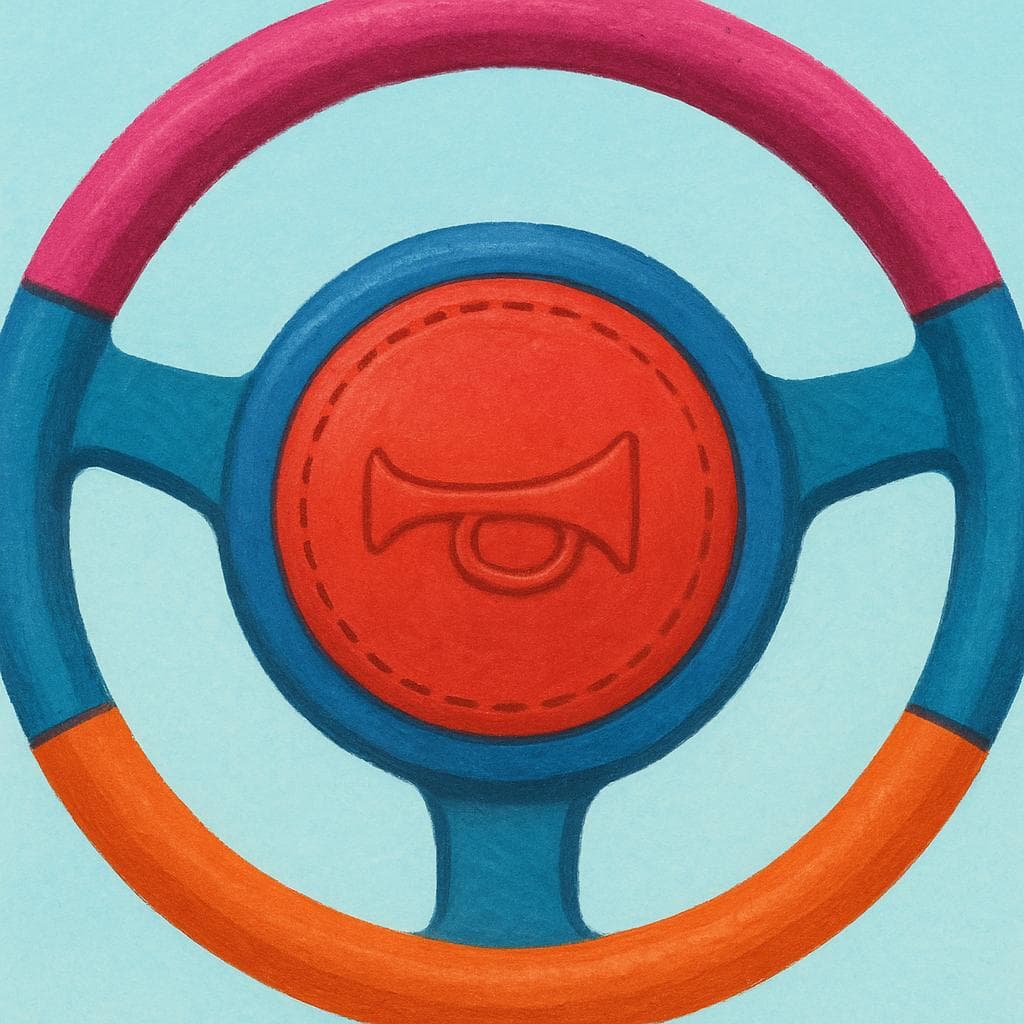

whistle
Also: beep
📝 In Action
El árbitro tocó el pito al final del partido.
A2The referee blew the whistle at the end of the game.
Escuché un pito en el oído después del concierto.
B1I heard a ringing sound in my ear after the concert.
car horn

📝 In Action
No toques el pito, hay mucho tráfico y no sirve de nada.
B1Don't honk the horn; there's a lot of traffic and it doesn't help.
willy / dick
📝 In Action
El niño se estaba tocando el pito.
C1The little boy was touching his willy.
a bit / nothing

📝 In Action
Me importa un pito lo que digan los demás.
B2I don't care one bit what others say.
✏️ Quick Practice
Quick Quiz: pito
Question 1 of 1
What does someone mean if they say 'Me importa un pito'?
📚 More Resources
👥 Word Family▼
📚 Etymology▼
Created from the sound 'pi-pi,' imitating the high-pitched noise of a small whistle or bird.
First recorded: 13th century
Cognates (Related words)
💡 Master Spanish
Take your Spanish to the next level. Read 200+ illustrated and narrated Spanish stories tailored to your level with the Inklingo app!
Frequently Asked Questions
Is 'pito' always a bad word?
No! It is a perfectly normal word for 'whistle.' However, because it is also slang for 'penis,' people often giggle or use it as a joke. In a sports or traffic context, it is usually neutral.
What is the difference between 'pito' and 'silbato'?
'Silbato' is a more formal or precise word for the physical instrument (like a police whistle), while 'pito' is more common in everyday speech and can also refer to the sound itself.