posiciones
“posiciones” means “positions” in Spanish. It has 3 different meanings depending on context:


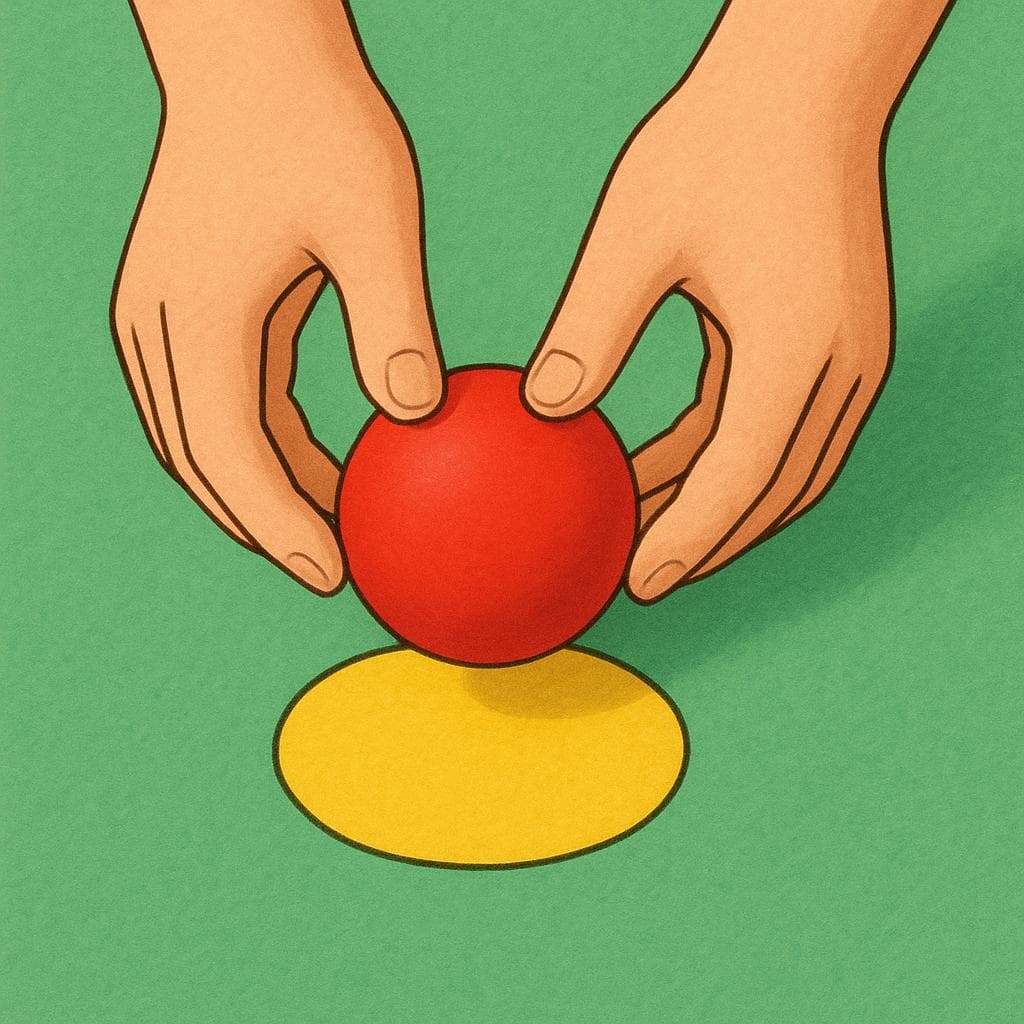
positions, locations
Also: stances, postures
📝 In Action
Los soldados mantuvieron sus posiciones durante toda la noche.
B1The soldiers maintained their positions throughout the night.
En yoga, hay muchas posiciones que requieren equilibrio.
A2In yoga, there are many positions that require balance.
El fotógrafo cambió las posiciones de las luces.
A2The photographer changed the locations of the lights.
views, stances
Also: perspectives
📝 In Action
Las posiciones de los dos líderes son irreconciliables.
B2The positions (views) of the two leaders are irreconcilable.
Ella defendió sus posiciones con mucha claridad.
B1She defended her stances very clearly.
(that you) position, do not position
Also: (that you) place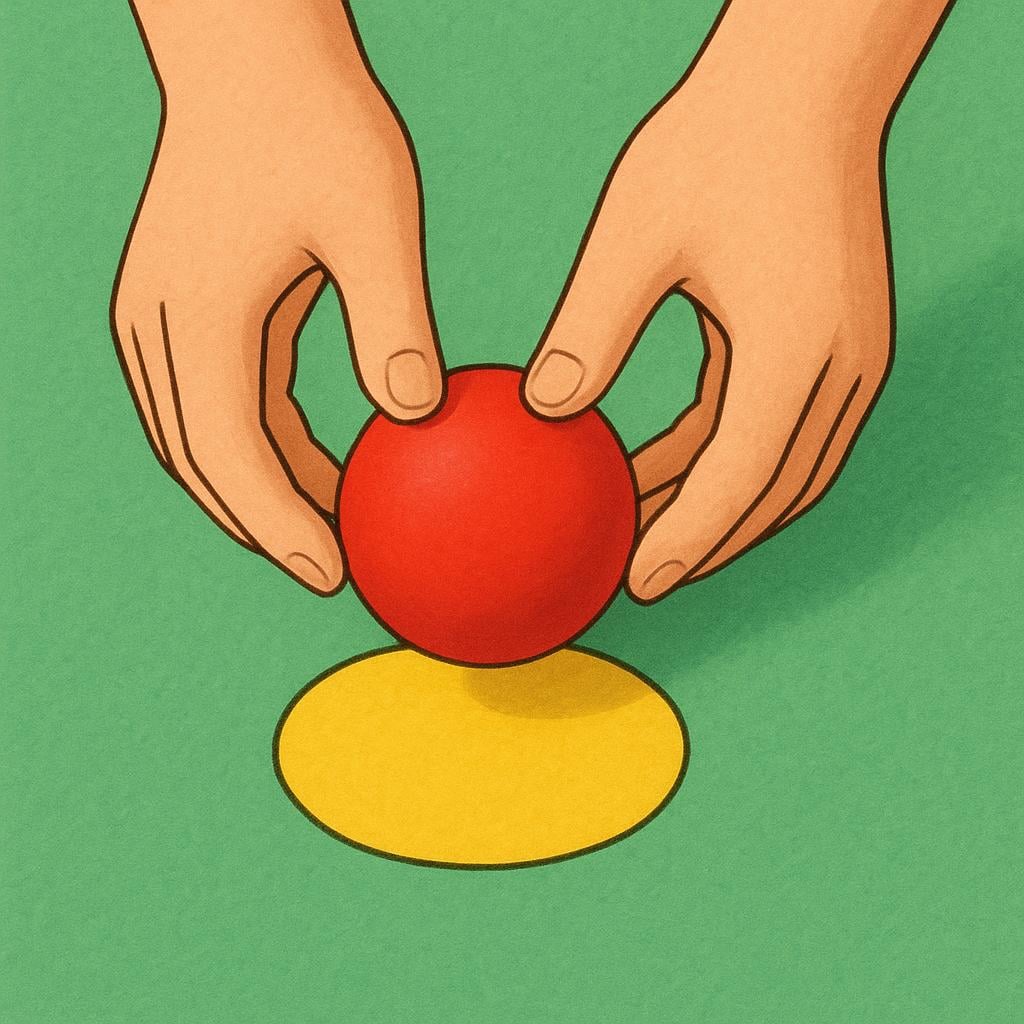
📝 In Action
Necesito que posiciones el micrófono más cerca de la boca.
C1I need you to position the microphone closer to your mouth.
No posiciones tu mesa donde la luz del sol te moleste.
B2Don't position your table where the sunlight bothers you.
Indicative
Present
Imperfect
Preterite
Subjunctive
Present Subjunctive
Imperfect Subjunctive
Translate to Spanish
Words that translate to "posiciones" in Spanish:
locations→perspectives→positions→postures→stances→views→✏️ Quick Practice
Quick Quiz: posiciones
Question 1 of 1
Which sentence uses 'posiciones' to refer to someone's opinion or viewpoint?
📚 More Resources
👥 Word Family▼
📚 Etymology▼
Comes from the Latin word *positiō* (stem *positionis*), meaning 'a placing or setting.' It shares roots with the English word 'position' and the Spanish verb 'poner' (to put).
First recorded: 13th century
Cognates (Related words)
💡 Master Spanish
Take your Spanish to the next level. Read 200+ illustrated and narrated Spanish stories tailored to your level with the Inklingo app!
Frequently Asked Questions
Is 'posiciones' only a plural noun?
No. While it is most commonly the plural noun 'positions' (A2 level), it is also a specific conjugation of the verb 'posicionar' (to position), used primarily for negative commands or expressing wishes directed at 'tú' (you, informal).