pozo
“pozo” means “well” in Spanish. It has 3 different meanings depending on context:


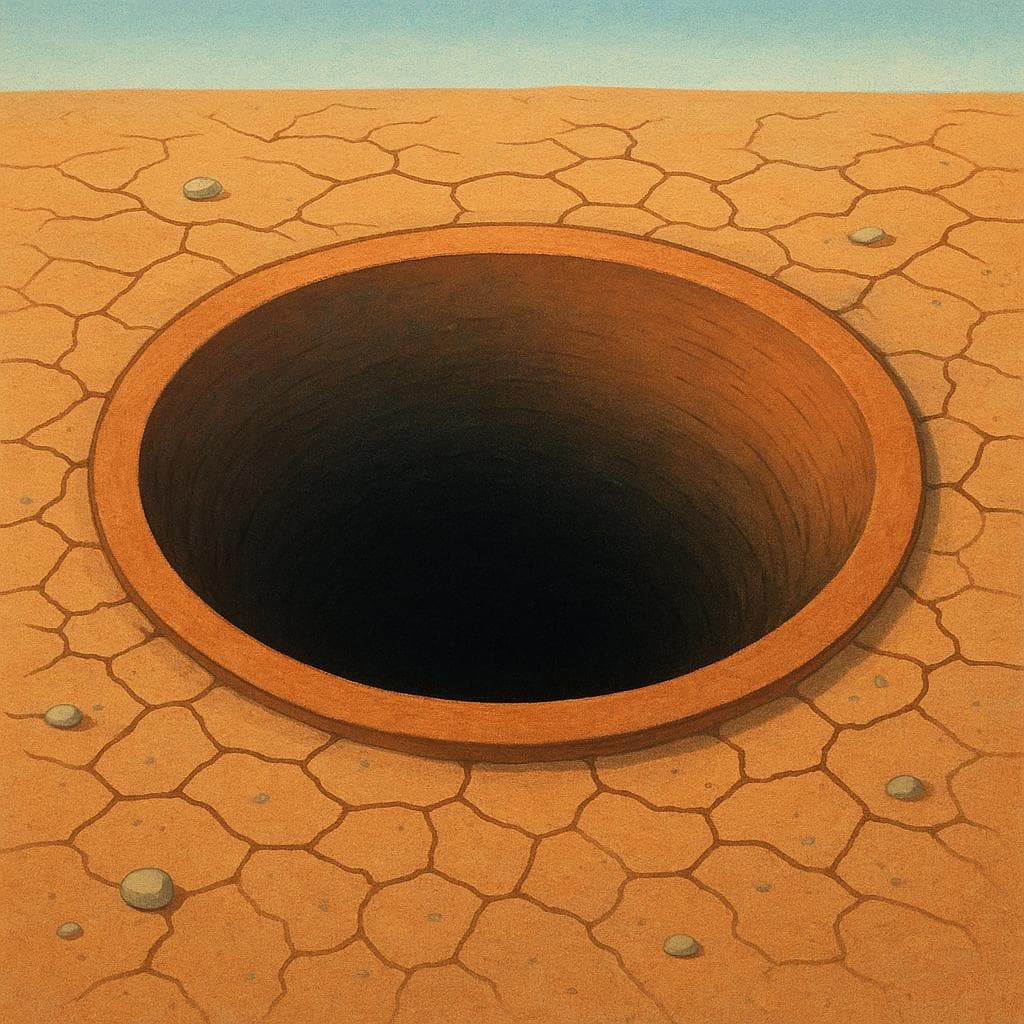
well
Also: water hole
📝 In Action
Necesitamos sacar agua del pozo para regar el jardín.
A2We need to draw water from the well to water the garden.
El pozo de la abuela es muy profundo y tiene agua muy fría.
B1Grandma's well is very deep and has very cold water.
shaft, oil well
Also: pit
📝 In Action
El pozo petrolero ha estado produciendo durante veinte años.
B1The oil well has been producing for twenty years.
Los mineros descendieron por el pozo principal.
B2The miners descended through the main shaft.
pit, fountain
Also: abyss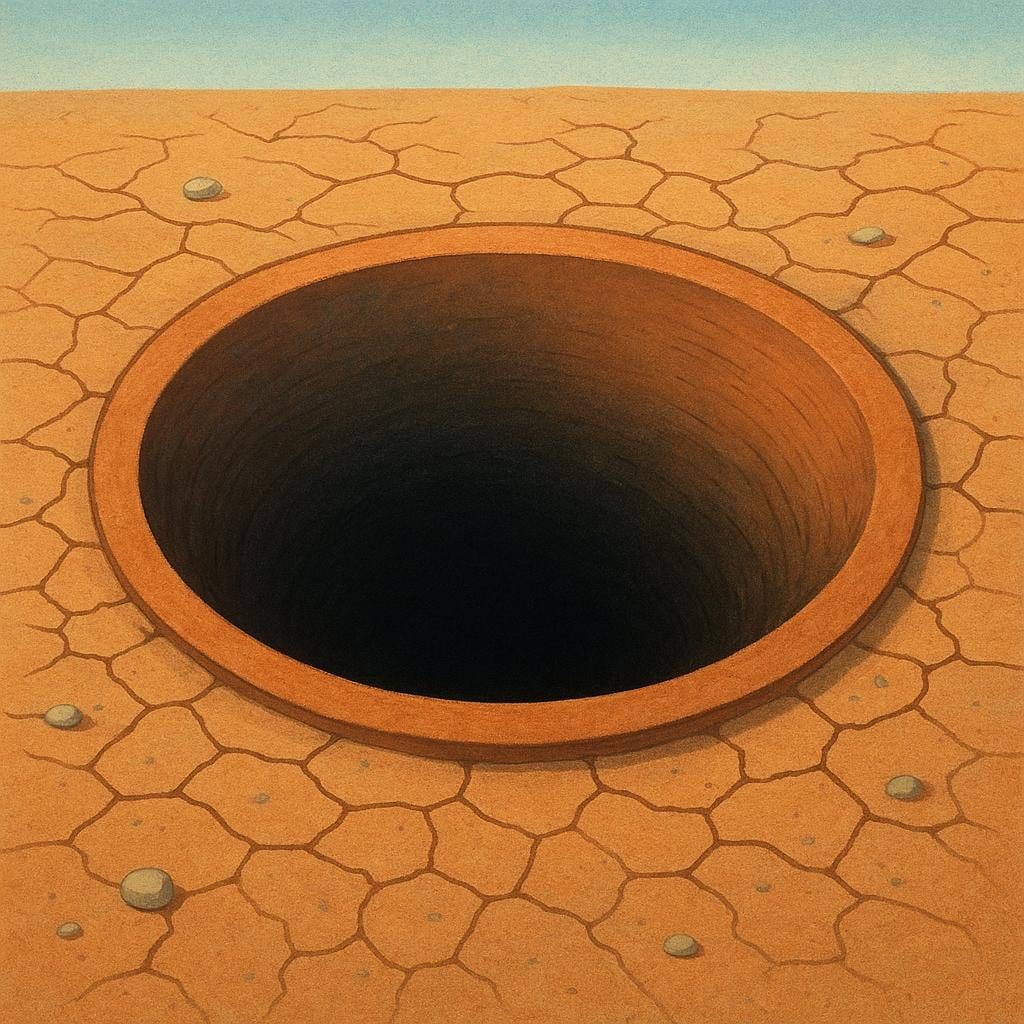
📝 In Action
Después de perder su trabajo, cayó en un pozo de tristeza.
C1After losing his job, he fell into a pit of sadness.
Mi profesor es un pozo de sabiduría; siempre tiene la respuesta.
C2My professor is a fountain of knowledge; he always has the answer.
Translate to Spanish
✏️ Quick Practice
Quick Quiz: pozo
Question 1 of 2
Which translation of 'pozo' is used when describing a person with vast knowledge?
📚 More Resources
👥 Word Family▼
🎵 Rhymes▼
📚 Etymology▼
'Pozo' comes from the Latin word *puteus*, which meant 'well' or 'pit.' The word has kept this core meaning of a deep, excavated hole throughout its history.
First recorded: Medieval Spanish (around the 13th century)
Cognates (Related words)
💡 Master Spanish
Take your Spanish to the next level. Read 200+ illustrated and narrated Spanish stories tailored to your level with the Inklingo app!
Frequently Asked Questions
Is 'pozo' used for modern city wells?
Generally, no. 'Pozo' usually refers to traditional, often rural wells or large industrial shafts (like oil wells). For modern, drilled water sources, speakers might use 'bomba de agua' (water pump) or 'perforación' (drilling) instead of 'pozo' alone.
How is 'pozo' different from 'hoyo' or 'agujero'?
'Hoyo' and 'agujero' mean 'hole' generally, and can be small. 'Pozo' specifically refers to a hole that is deep, vertical, and deliberately created, often for water or resources. It implies a structure or great depth.